Choosing the right Brushless Electric Chainsaw starts with understanding your actual cutting needs. A compact saw may handle pruning branches, while larger models suit firewood and storm cleanup. Start with the job. Bar length, motor power, battery capacity, and chain speed directly affect performance. A longer bar is not automatically better. It can add weight, reduce control, and drain the battery faster.
In this guide, seven practical tips will help you compare models with greater confidence. You will learn how to assess brushless motor efficiency, battery compatibility, chain tensioning, safety features, ergonomics, maintenance demands, and warranty support. Details matter. During hands-on testing, a well-balanced saw often feels more useful than a stronger model that strains your wrist. Tool-free adjustments can save time, but they may not always hold tension perfectly after heavy cutting. That is worth checking.
Reliable advice should come from product specifications, user experience, and careful comparison rather than advertising claims. Look for tested safety systems, clear manuals, replacement parts, and batteries from established manufacturers. Protective equipment and stable footing remain essential, even with modern electric designs. A quiet motor can make the saw feel harmless. It is not. I have also learned that run-time estimates can disappoint when cutting dense hardwood or using a dull chain. Treat them as guidelines, not promises. These seven tips will help you choose a capable saw without overlooking comfort, reliability, or long-term value.
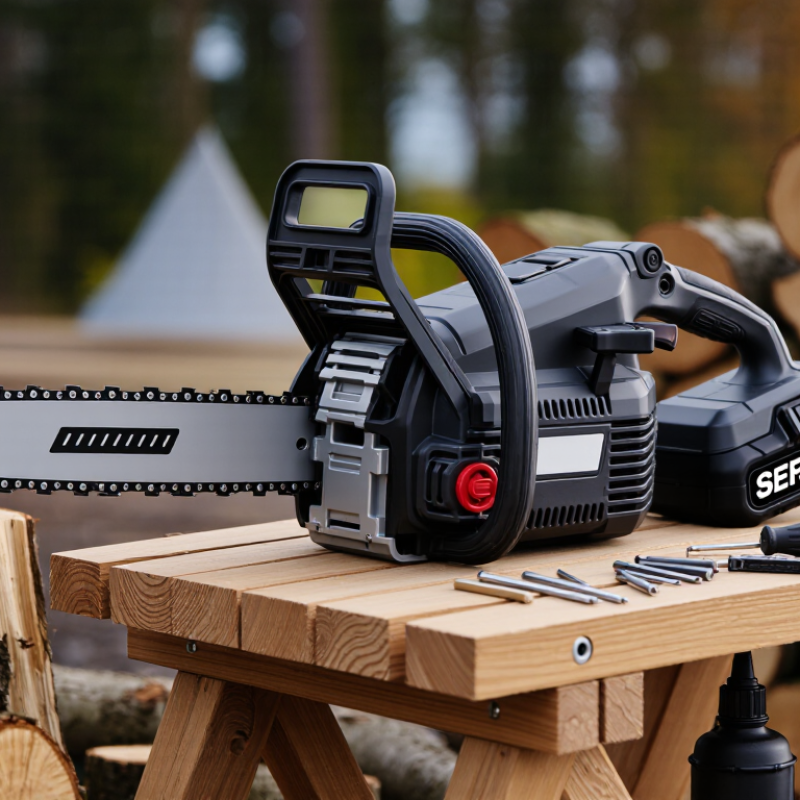
Before choosing a brushless electric chainsaw, define what you actually cut. A small garden saw may handle branches up to 15 centimeters wide. Larger hardwood limbs demand more bar length and steady torque. Measure typical wood, not the biggest log you have seen. That single detail prevents an expensive mismatch.
Consider your weekly workload. Pruning three fruit trees requires less battery capacity than cutting fallen timber after a storm. I once underestimated a weekend job and carried only one battery. The saw performed well, but the waiting time was frustrating. For repeated cuts, check battery capacity, charging time, and whether spare batteries are practical. Light work favors a compact tool. Heavy work needs endurance.
Think about cutting conditions, too. Dry branches, wet logs, and dense hardwood feel very different. A homeowner trimming fence-line growth may value low weight and easy handling. Someone processing firewood needs a longer bar, stronger chain speed, and comfortable balance. Do not select power by bar length alone. It can be misleading. Record your usual branch diameter, cutting duration, and job location for one week. This simple record gives a more reliable basis than guesswork. I would also leave some margin for unexpected cuts, but not so much that the saw becomes tiring to control.
7 Tips for Choosing the Best Brushless Electric Chainsaw
Compare Motor Power, Battery Capacity, and Charging Performance
A brushless electric chainsaw should match your cutting tasks, not just display a high voltage number. Motor power affects chain speed and cutting strength, especially when the chain enters dense hardwood. A faster chain can feel smooth, but torque matters more when the bar is fully engaged. Check both voltage and the manufacturer’s rated chain speed. No-load speed can look impressive. It may not reflect real cutting performance.
Tip 1: Test power under pressure. Look for stable performance during repeated cuts, not only a quick demonstration. Tip 2: Choose a battery with enough capacity for your typical work. Capacity is usually measured in amp-hours. Higher capacity often means longer runtime, but it also adds weight. I once underestimated this trade-off and felt wrist fatigue sooner than expected.
Charging performance deserves equal attention. A battery that charges quickly can reduce downtime, but fast charging may create more heat. Check the stated charging time, charger output, and temperature controls. A practical setup should support steady charging between cutting sessions. Tip 3: Compare usable runtime, not battery size alone. Wet wood, blunt chains, and cold weather can reduce runtime noticeably. Keep that in mind. Tip 4: Choose a clear battery indicator. Guessing the remaining charge is inconvenient and occasionally leads to rushed work.
Tip 5: Inspect the cooling design around the motor and battery. Tip 6: Confirm replacement batteries are available through reliable channels. Tip 7: Read technical specifications carefully, because small details often affect daily performance.
Battery energy is calculated as nominal voltage × amp-hour capacity. These are example battery configurations, not specific product ratings. Higher watt-hours can provide more stored energy, but actual runtime also depends on cutting load, motor efficiency, and operating conditions. Compare charger current and published charge times separately when assessing charging performance.
7 Tips for Choosing the Best Brushless Electric Chainsaw
Guide bar size should match your typical cutting work. A 12-inch bar feels balanced for pruning and small logs. A 16-inch bar reaches deeper into medium-sized wood. Longer bars add reach, but they also increase weight and control demands. I once chose a longer bar for convenience. It made tight branches awkward. That decision needed more thought.
Chain quality affects speed, vibration, and maintenance. Look for a durable chain with consistent cutters and reliable tension adjustment. The chain should move smoothly without grabbing or producing uneven chips. Check whether replacement chains are easy to find. A sharp chain matters more than impressive motor claims. Keep a file nearby, because even careful users dull cutters quickly. Small errors happen.
Cutting control deserves hands-on attention. The handle should remain steady when the saw starts and stops. A responsive trigger helps you ease into the cut, rather than forcing the chain suddenly. Test the balance with the battery installed. Observe the brake response and guard position. Good control reduces fatigue and encourages safer cutting habits. Still, no saw feels perfect for every user. Gloves can change your grip, and cold weather may reduce battery response. Review your choice after real work, not just a store demonstration.
7 Tips for Choosing the Best Brushless Electric Chainsaw
A brushless motor can improve efficiency, but safety deserves more attention. Check for a responsive chain brake, trigger lockout, front hand guard, and automatic shutdown protection. These features should work without awkward hand movements. I once tested a saw with a stiff safety switch. That small issue made cutting feel uncertain. Look for clear operating instructions and recognized safety certification. Also inspect the battery connection. It should lock firmly, without excessive movement.
Ergonomics affect control during real work. Hold the saw at chest height and notice whether the weight pulls your wrist forward. A balanced body, textured handles, and low vibration reduce fatigue. The controls should remain reachable with gloves. Try this before buying, if possible. A lighter saw is not always easier to use. Poor balance can become tiring faster than extra weight. I still sometimes focus too much on motor power. That is a mistake worth reconsidering. Noise also matters near homes or shared spaces. Brushless models may sound smoother, but hearing protection remains sensible.
Maintenance needs should be visible before purchase. Check how easily you can inspect the chain, add bar oil, and adjust tension. Tool-free adjustment is convenient, but it must not feel loose or flimsy. Clean packed sawdust from the cover and cooling vents after each use. Store the battery separately when the saw will sit unused. Ask whether replacement chains, guides, and batteries are readily available. A detailed manual suggests better support. However, manuals can be vague. Read the maintenance section carefully before deciding.
Compare safety features, ergonomics, noise, and maintenance needs before choosing a saw for your tasks.
| Tip | What to Check | Practical Guidance | Why It Matters |
|---|---|---|---|
| 1. Prioritize safety features | Chain brake, hand guards, trigger lockout, and a low-kickback chain and bar combination. | Confirm which safety components are included and follow the manual’s instructions. Wear chainsaw-rated protective equipment. | These features can help reduce risk, but they do not prevent every injury or replace safe cutting practices. |
| 2. Match bar length to the job | Bar length, recommended cutting capacity, and the types of wood you expect to cut. | Choose a bar suited to the material and task; a longer bar is not automatically better. Use the saw only within its stated capacity. | An appropriately sized saw is generally easier to control and avoids buying more reach or weight than you need. |
| 3. Test ergonomics and balance | Tool weight with the battery installed, handle shape, grip comfort, and balance in typical working positions. | If possible, hold the saw before buying. Consider how its weight and balance feel during repeated cuts; do not cut one-handed or above shoulder height. | A comfortable, controllable saw can reduce fatigue, which may help you maintain better control. |
| 4. Check noise and vibration | Published sound-pressure and vibration figures, test conditions, and recommendations for hearing protection. | Battery saws avoid engine exhaust and are often quieter than comparable petrol saws, but cutting noise can still be hazardous. Wear suitable hearing protection. | Noise and vibration vary with the saw, chain, wood, and operating conditions; specification figures are useful for comparison, not a guarantee of exposure. |
| 5. Estimate battery runtime realistically | Battery voltage and capacity, included battery count, charging time, and manufacturer runtime conditions. | Runtime changes with wood hardness, cut size, chain sharpness, and technique. For extended work, compare spare-battery cost and availability. | A published runtime may not reflect continuous cutting under your specific conditions. |
| 6. Review chain and bar maintenance | Chain-tensioning method, bar-oil system, replacement-chain availability, and access to routine maintenance points. | Check chain tension and lubrication as directed in the manual. Keep the chain sharp, and clean the saw after use with the battery removed. | Proper lubrication and sharpening support cutting performance and can limit unnecessary strain on the saw. |
| 7. Compare ownership and support | Warranty terms, service access, replacement parts, battery and charger inclusion, and total kit cost. | Check whether the listed price includes a battery and charger, and confirm that compatible replacement chains, bars, and batteries are available. | The purchase price alone may not reflect the cost or convenience of maintaining the saw over time. |
Always read the manufacturer’s manual and use chainsaw-rated protective equipment, including eye, hearing, hand, leg, and foot protection appropriate to the work.
Choosing a brushless electric chainsaw starts with compatibility, not cutting speed. Check the battery platform, charger voltage, bar length, and replacement-chain availability. A saw may look powerful, yet an incompatible battery can make it useless. The U.S. Department of Energy reported lithium-ion pack prices falling from $1,415 per kilowatt-hour in 2010 to $137 in 2020. However, retail tool prices still include motors, safety systems, chargers, and service support. Do not judge value from battery capacity alone. A 4.0 Ah battery may run longer, but it also adds weight during overhead pruning.
Durability depends on more than a brushless motor. Look for a metal chain catcher, tool-free tensioning, a visible oil window, and protection against dust and moisture. The International Electrotechnical Commission’s IEC 62841 standards address safety requirements for handheld motor-operated tools, so documented compliance deserves attention. Warranty length matters, but read the exclusions. Some policies cover the motor while excluding batteries, chargers, or commercial use. The Outdoor Power Equipment Institute has repeatedly highlighted battery recycling and end-of-life management as growing industry concerns. Confirm the maker’s battery collection process before buying. I still tend to overvalue cutting speed. That is a mistake. A slower saw with affordable chains, accessible service, and a stable battery platform may cost less over five years. Check those details before trusting the glossy specifications.
„Thanks to the LUVIR technology, the solder resist process could be switched directly from the previously used mask exposure to direct exposure. As an outstanding digital solution on the market, this technology has been able to demonstrate fast process times and superior quality on our certified conventional ink in production. This allowed us to fully digitize the solder mask process at low cost – without process or ink adjustments. An excellent benefit to our production in Rot am See.“
Ralf Göhringer (Head of Production WE Rot am See)
I would definitely recommend the Limata machine and team for a future company purchase
Michael Greenaway
Compunetics Inc.
“The Limata ldi has been amazing!! Best thing we did was buy this machine”
Richard Brady
GM
Circuitlabs
“Since 2019, we have been running the Limata X1000 LDI system (including LUVIR for solder mask imaging) in daily production as an addition to our current process with film. The machine was capable of properly exposing Taiyo PSR-4000 BN (DI) solder mask types on normal to high-copper boards using a new and unique direct imaging process. The machine operating interface is very user friendly which allowed for a quick technical training curve. The pre-registration processing reduced several seconds of production time at every print. Limata support and service staff is incomparable. They supported our team every step of the way at basically any time of the day or night, with literally, an immediate response time, customizing the software interface to best fit our Operations and needs.
We have exposed more than 8,000 prints since end of October, on various solder mask colors and some resist film panels. Limata, has proven to be very capable and innovative. They are a strong contender in the industry.
We have very much enjoyed this project, and working with the team!
Thank you Limata for the continued support and being a part of our growth.”
Bill Sezate
Vice President, GM
Summit Interconnect
As a replacement to our current contact exposure process with film, the LIMATA X2000 system including LUVIR-Technology was capable of properly exposing non-LDI solder mask types using a direct imaging process. The machine offers cutting edge software with a very intuitive operating interface which allowed for quick technician training curve. The dual drawer system combined with pre-registration processing reduced several seconds of production time at every machine cycle. Limata support and service staff is world class. They added software patches to keep production running at shortest possible response times, customized the software interface to best fit our in-house Operations system, and even wrote a step-by-step machine processing manual. As a result of the project, we have exposed more than 16,000 times on various product types and solder mask brands/colors. Limata, in a very short timeframe as a company, has definitely shown they are truly innovative and will be challenging the industry of direct imaging for the top spot.
Kevin Beattie
Process Engineer
TTM Technologies
Forest Grove Division
