When embarking on a drilling project, the choice of core drilling bits can significantly impact the outcome. Industry expert Dr. Samuel Brooks, a well-respected authority in drilling technology, emphasizes, "The right bit can make or break your project." This statement captures the essence of selecting the best tools. Core Drilling Bits differ in design, material, and application, making it crucial to understand their unique features.
Before purchasing, consider the material you'll be drilling into. Are you working with concrete, granite, or asphalt? Each substrate requires specific bit types. Additionally, the diameter and length of the bits affect the core samples you can obtain. It’s not just about choosing a bit; it’s a strategic decision that can enhance efficiency and precision.
Many professionals overlook how wear and tear on bits can affect performance. Regular assessments can prevent costly delays. While the market offers numerous options, not all products are reliable. Brands vary significantly in quality. Selecting Core Drilling Bits isn't merely a task; it demands careful thought and expertise. Striking the right balance between cost, durability, and effectiveness is imperative for successful projects.
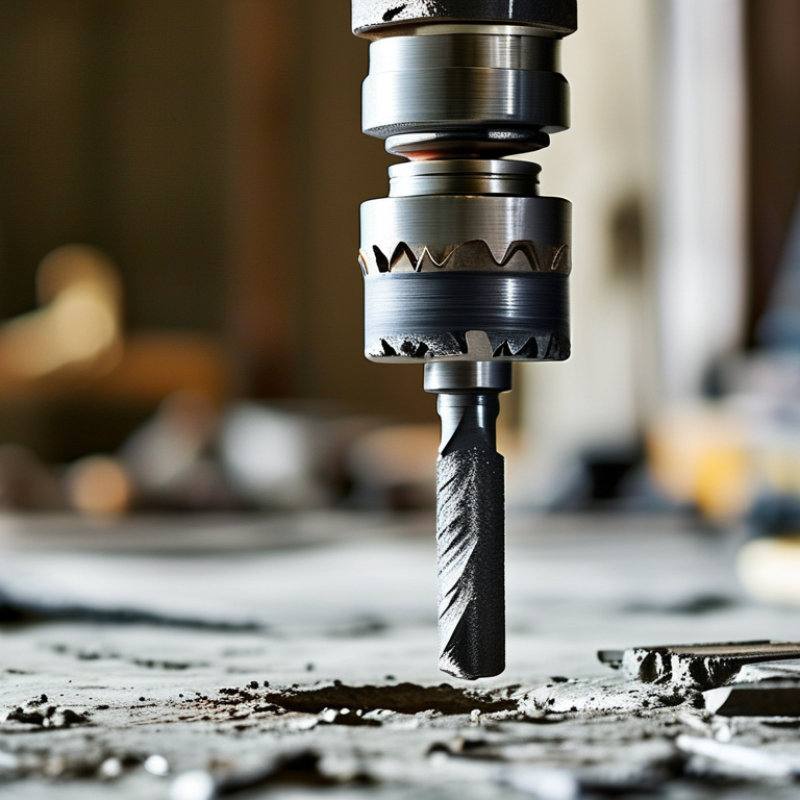
Core drilling bits come in various types, each designed for specific functions. Diamond core bits are ideal for hard materials like concrete and stone. They provide clean, precise cuts. In contrast, carbide-tipped bits work well on softer materials, although they may wear out quickly. Knowing the material you’ll drill into is essential for choosing the right bit.
When selecting a core drilling bit, consider the size and depth of your project. A larger diameter bit removes more material but requires more power. Smaller bits are more manageable but might not be suitable for deep drilling. Think about your project's demands.
Here are some tips: Always check the compatibility of the drill with the bit you choose. Not all bits fit all drills. Regularly inspect your bits for wear. A worn bit can lead to inaccuracies. Finally, practice on a scrap piece before advanced work. This helps refine your technique and ensures better outcomes. Adjusting your approach based on results is essential for successful drilling.
| Type of Core Drill Bit | Material | Application | Diameter Range (mm) | Typical Use |
|---|---|---|---|---|
| Diamond Core Drill Bits | Diamond | Concrete, Masonry | 20 - 300 | Core drilling in hard materials |
| Carbide-tipped Core Drill Bits | Carbide | Metal, Wood | 10 - 100 | Metal and wood drilling applications |
| HSS Core Drill Bits | High-speed steel | Metal | 10 - 50 | Sheet metal and light metal applications |
| Concrete Core Drill Bits | Steel with carbide segments | Concrete | 25 - 450 | Drilling into concrete structures |
| Glass Core Drill Bits | Diamond | Glass | 10 - 100 | Drilling holes in glass |
When selecting core drilling bits, several factors come into play. Material composition is crucial. Carbide-tipped bits are durable and can handle tough conditions. They are ideal for concrete and stone. Steel bits are more suited for softer materials. This selection is often based on the project's unique requirements.
Another key consideration is the bit diameter. Larger bits can remove more material in a single pass. However, they can be harder to control. Depending on the project scale, smaller bits may offer better precision. For instance, 2-inch bits work well for detailed work, while 6-inch bits are better for bulk drilling.
Tips: Always assess your drilling environment. Knowledge about soil and rock types can greatly influence your bit choice. The wrong bit can lead to unnecessary delays and expenses. Regular maintenance of your bits also enhances their lifespan, ensuring efficiency throughout your projects.
Choosing the right core drilling bits is crucial for project success. One of the primary considerations is the bit material. Different materials can perform better under specific conditions. For example, diamond bits are excellent for hard materials like concrete and stone. In contrast, carbide-tipped bits work well for softer materials like wood and plastic.
Understanding the project's requirements is essential. If you are working on a concrete surface, a diamond-coated bit provides precision and durability. For softer substrates, carbide bits may suffice. The right material impacts not only the quality of the cut but also the life of the tool. Using the wrong bit can lead to frustration and wasted resources.
Experimentation may be necessary to find the best fit for your needs. Sometimes, bits become dull quickly, especially in tough applications. Tracking performance can help in making better decisions in the future. Reflecting on past experiences with different materials may guide you in future projects. It’s all about aligning the bit type with material properties for optimal results.
Choosing the right bit size and shape can significantly impact core drilling efficiency. Each project has unique requirements. For instance, smaller diameter bits, like 1 to 3 inches, are ideal for precise drilling in confined spaces. Conversely, larger bits from 5 inches and up excel in deep, quick excavation. An industry report indicates that properly sized bits can improve drilling speed by up to 30%. This statistic emphasizes the importance of selecting the correct size.
Shape also plays a critical role. Cone-shaped bits are effective for softer materials. Flat-bottomed bits suit harder substrates and provide a better core sample. A recent survey revealed that 70% of professionals prefer using bits that match the material type for optimal results. However, many still use generic shapes, leading to less effective drilling. Understanding the relationship between bit shape and material is vital for increasing project success rates. Each project can benefit from careful evaluation and selection based on these criteria.
Maintaining core drilling bits is essential for their longevity and performance. Proper upkeep can save costs and time on projects. A well-maintained bit minimizes wear and maximizes efficiency. Here are some tips for extending the life of your drilling tools.
Regular cleaning is crucial. After each use, remove debris and residue from the bit. This prevents build-up, which can affect performance. It’s a simple step but often overlooked. Check for signs of wear regularly. If the edges are chipped or dull, it may be time for a replacement.
Keep an eye on the drilling speed. Too fast can lead to overheating, while too slow may cause excessive wear. There is a balance to strike. Use the correct water or cooling fluid to lubricate the bit. This not only reduces friction but also helps to keep the cutting edges sharp. These small details make a noticeable difference in performance.
„Thanks to the LUVIR technology, the solder resist process could be switched directly from the previously used mask exposure to direct exposure. As an outstanding digital solution on the market, this technology has been able to demonstrate fast process times and superior quality on our certified conventional ink in production. This allowed us to fully digitize the solder mask process at low cost – without process or ink adjustments. An excellent benefit to our production in Rot am See.“
Ralf Göhringer (Head of Production WE Rot am See)
I would definitely recommend the Limata machine and team for a future company purchase
Michael Greenaway
Compunetics Inc.
“The Limata ldi has been amazing!! Best thing we did was buy this machine”
Richard Brady
GM
Circuitlabs
“Since 2019, we have been running the Limata X1000 LDI system (including LUVIR for solder mask imaging) in daily production as an addition to our current process with film. The machine was capable of properly exposing Taiyo PSR-4000 BN (DI) solder mask types on normal to high-copper boards using a new and unique direct imaging process. The machine operating interface is very user friendly which allowed for a quick technical training curve. The pre-registration processing reduced several seconds of production time at every print. Limata support and service staff is incomparable. They supported our team every step of the way at basically any time of the day or night, with literally, an immediate response time, customizing the software interface to best fit our Operations and needs.
We have exposed more than 8,000 prints since end of October, on various solder mask colors and some resist film panels. Limata, has proven to be very capable and innovative. They are a strong contender in the industry.
We have very much enjoyed this project, and working with the team!
Thank you Limata for the continued support and being a part of our growth.”
Bill Sezate
Vice President, GM
Summit Interconnect
As a replacement to our current contact exposure process with film, the LIMATA X2000 system including LUVIR-Technology was capable of properly exposing non-LDI solder mask types using a direct imaging process. The machine offers cutting edge software with a very intuitive operating interface which allowed for quick technician training curve. The dual drawer system combined with pre-registration processing reduced several seconds of production time at every machine cycle. Limata support and service staff is world class. They added software patches to keep production running at shortest possible response times, customized the software interface to best fit our in-house Operations system, and even wrote a step-by-step machine processing manual. As a result of the project, we have exposed more than 16,000 times on various product types and solder mask brands/colors. Limata, in a very short timeframe as a company, has definitely shown they are truly innovative and will be challenging the industry of direct imaging for the top spot.
Kevin Beattie
Process Engineer
TTM Technologies
Forest Grove Division
