Choosing the right infrared heater is essential for comfort and efficiency in any space. According to the U.S. Department of Energy, infrared heaters provide instant warmth by directly heating objects rather than air. This can lead to energy savings of up to 30% compared to traditional heating methods, making them a popular choice among homeowners.
When selecting an infrared heater, consider factors such as the heater's wattage, design, and safety features. Reports from industry experts highlight that portable infrared heaters are gaining traction for their versatility. However, it's crucial to assess your specific heating needs, as a powerful heater may not always be the best fit for a small room.
Reviews indicate that installation and maintenance requirements vary widely among brands. Some heaters might require professional installation, impacting your overall costs. Balancing these factors with your budget is necessary to ensure you choose a reliable and effective device. Misjudging your needs can lead to inadequate heating or wasted energy, so reflect on what suits your lifestyle best.
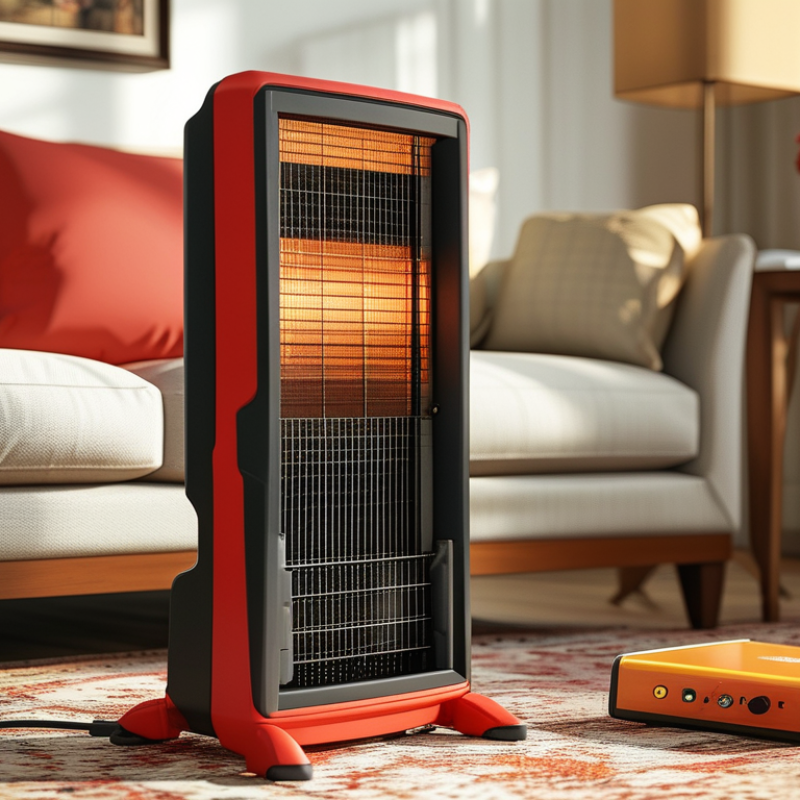
Infrared heaters are becoming increasingly popular for their efficiency and effectiveness in heating spaces. Understanding the different types and mechanisms of these heaters is crucial. There are mainly three types: quartz, ceramic, and carbon infrared heaters. Each type has unique heating mechanisms that dictate how they work and their suitability for various needs. Quartz heaters produce instant heat through electric coils, making them ideal for small spaces. Ceramic heaters use a different approach, heating a ceramic plate that radiates heat evenly. Carbon heaters, known for their high efficiency, utilize carbon filaments and provide a softer, longer-wave infrared heat.
The heating mechanism of infrared heaters relies on the principle of infrared radiation. Unlike traditional heaters, which warm the air, infrared heaters directly warm objects and people in their path. This method is often more energy-efficient. Studies suggest that infrared heaters operate at an efficiency rate of about 90%. This can lead to lower utility costs. However, potential drawbacks exist. Some users may find the direct heat uncomfortable initially, as it takes time to acclimatize. Ensuring proper placement is essential, as the effectiveness can diminish with distance.
When selecting an infrared heater, consider your specific requirements. Room size plays a significant role in determining the heater's capacity. Additionally, insulation and layout can impact performance. While infrared heaters can be an efficient solution, factors like initial discomfort and placement can affect their usability and overall satisfaction. Balancing these elements with your needs is vital for optimal heating.
When selecting an infrared heater, several key factors should influence your decision. Efficiency stands out as a primary consideration. Infrared heaters typically convert 90% of electrical energy into heat. This efficiency makes them appealing for both home and industrial uses. The Department of Energy reports that infrared heaters can lower heating costs by 20% to 50%. However, not all models deliver the same performance. Research local energy costs to understand potential savings.
Size and heating capacity are essential as well. A heater must match the space it intends to warm. For example, a unit rated at 1,500 watts can generally heat an area of about 150 square feet. Misjudging the needed capacity could lead to overheating or insufficient warmth, impacting comfort levels.
Another aspect to examine is safety features. Look for models with automatic shut-off mechanisms and cool-touch exteriors. The Consumer Product Safety Commission (CPSC) emphasizes the importance of such features to prevent fire hazards. Many heaters lack adequate protection, posing risks, especially in homes with children or pets. Prioritize your safety while evaluating options.
Choosing the right infrared heater involves evaluating the heating capacity against your room size. First, measure your space accurately. A room that is too large for a heater can lead to inadequate warmth. It's essential to understand how many square feet the heater can effectively cover. Most manufacturers provide guidelines based on this, but interpretations can vary.
Look for a heater’s wattage, as it relates directly to its heating capability. For instance, a heater rated at 1,500 watts can heat approximately 150 square feet. However, factors like insulation and ceiling height matter. A well-insulated room may retain heat better than one with poor insulation. Consequently, understanding your specific environment helps refine your choices.
Sometimes, specifications can seem overwhelming. A heater might boast impressive numbers but fail in practice. It's wise to read user reviews. They often reveal insights about efficiency or any shortcomings. Consider your needs in the context of these experiences. Finding the perfect fit can be challenging, yet it's a necessary process for optimal warmth.
When considering an infrared heater, energy efficiency is key. These heaters warm objects directly. This means they can heat a room faster than traditional heaters. They often require less energy to maintain warmth. This efficiency can lead to lower electricity bills.
Cost-effectiveness is another major factor. Although infrared heaters might have a higher upfront cost, they can save you money in the long run. Their longevity often outlasts standard heaters. Over time, the savings accumulate. It's crucial to consider your local energy rates when evaluating expenses.
Not all homes will benefit the same way. Some users report that heaters do not distribute heat evenly. Others may find that the initial setup requires adjustment. Evaluating your home’s layout and insulation can help. Understanding your specific needs will lead to a more satisfying choice.
When selecting an infrared heater, safety features should be a priority. According to data from the U.S. Consumer Product Safety Commission, space heater-related incidents result in over 15,000 fires annually. Look for units with over-temperature protection to prevent overheating. This feature can automatically shut off the heater if it exceeds a certain temperature. Such safeguards are crucial for peace of mind, especially in homes with children or pets.
Maintenance is equally important for the longevity of your infrared heater. Regularly inspect the unit for dust accumulation. A study by the National Fire Protection Association indicates that failure to clean space heaters is a leading cause of fires. Additionally, check the power cord for damage and ensure the heater is placed on a stable surface. Ideally, the heater should be at least three feet away from combustible materials. This simple practice can significantly reduce risks and enhance safety.
Understanding the features and maintenance needs of your infrared heater keeps your space warm without unnecessary hazards. It's essential to know your heater's limitations. Regular reviews of safety protocols and maintenance routines ensure optimal performance without compromising safety. Choosing the right infrared heater involves more than just comfort; it’s about fostering a safe environment.
„Thanks to the LUVIR technology, the solder resist process could be switched directly from the previously used mask exposure to direct exposure. As an outstanding digital solution on the market, this technology has been able to demonstrate fast process times and superior quality on our certified conventional ink in production. This allowed us to fully digitize the solder mask process at low cost – without process or ink adjustments. An excellent benefit to our production in Rot am See.“
Ralf Göhringer (Head of Production WE Rot am See)
I would definitely recommend the Limata machine and team for a future company purchase
Michael Greenaway
Compunetics Inc.
“The Limata ldi has been amazing!! Best thing we did was buy this machine”
Richard Brady
GM
Circuitlabs
“Since 2019, we have been running the Limata X1000 LDI system (including LUVIR for solder mask imaging) in daily production as an addition to our current process with film. The machine was capable of properly exposing Taiyo PSR-4000 BN (DI) solder mask types on normal to high-copper boards using a new and unique direct imaging process. The machine operating interface is very user friendly which allowed for a quick technical training curve. The pre-registration processing reduced several seconds of production time at every print. Limata support and service staff is incomparable. They supported our team every step of the way at basically any time of the day or night, with literally, an immediate response time, customizing the software interface to best fit our Operations and needs.
We have exposed more than 8,000 prints since end of October, on various solder mask colors and some resist film panels. Limata, has proven to be very capable and innovative. They are a strong contender in the industry.
We have very much enjoyed this project, and working with the team!
Thank you Limata for the continued support and being a part of our growth.”
Bill Sezate
Vice President, GM
Summit Interconnect
As a replacement to our current contact exposure process with film, the LIMATA X2000 system including LUVIR-Technology was capable of properly exposing non-LDI solder mask types using a direct imaging process. The machine offers cutting edge software with a very intuitive operating interface which allowed for quick technician training curve. The dual drawer system combined with pre-registration processing reduced several seconds of production time at every machine cycle. Limata support and service staff is world class. They added software patches to keep production running at shortest possible response times, customized the software interface to best fit our in-house Operations system, and even wrote a step-by-step machine processing manual. As a result of the project, we have exposed more than 16,000 times on various product types and solder mask brands/colors. Limata, in a very short timeframe as a company, has definitely shown they are truly innovative and will be challenging the industry of direct imaging for the top spot.
Kevin Beattie
Process Engineer
TTM Technologies
Forest Grove Division
