Choosing the right Reverse Osmosis System is crucial for clean water. With increasing concerns about water quality, many homeowners seek reliable solutions. A 2022 industry report by the Water Quality Association indicated that 45% of American households have invested in filtration systems, with Reverse Osmosis being the preferred choice.
Expert Dr. Lisa Gray, a leading figure in water purification technology, emphasizes, “Selecting the right Reverse Osmosis System can significantly impact your health and water quality.” Understanding the features that cater to your specific needs is essential.
Some systems may not be efficient for high contamination levels. It’s vital to assess your water’s quality before making a decision. A tailored approach ensures better water filtration and overall satisfaction.
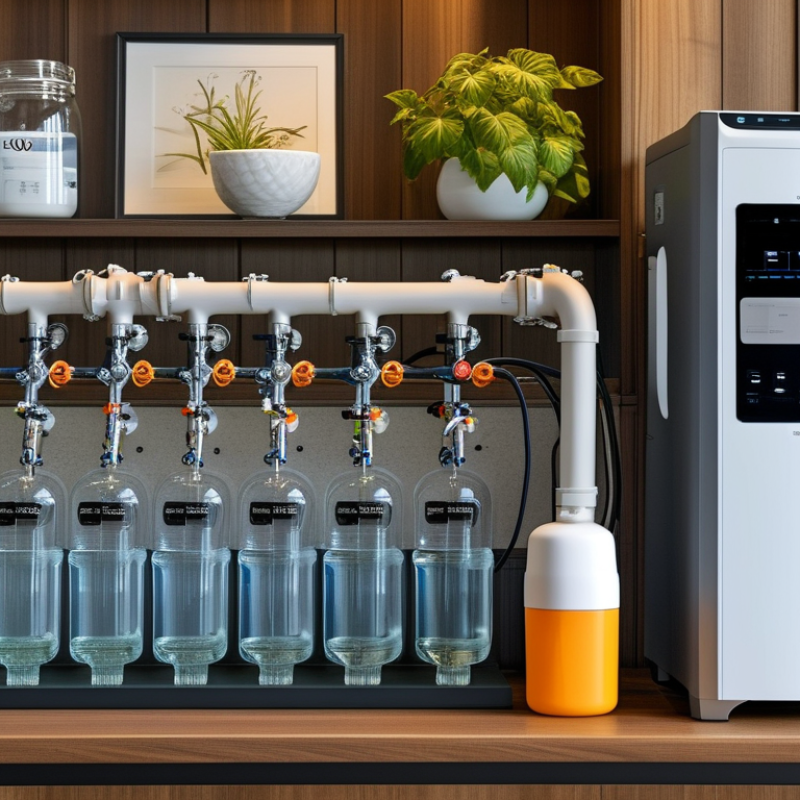
Reverse osmosis (RO) systems are essential for ensuring clean and safe drinking water. They work by using a semi-permeable membrane to remove contaminants. According to the Water Quality Association, RO systems can eliminate over 95% of pollutants, including heavy metals and microorganisms. This effectiveness makes them a popular choice for households seeking high-quality water.
Understanding the fundamentals of reverse osmosis is crucial. The process involves applying pressure to water, forcing it through the membrane. This removes impurities effectively. However, not all systems are created equal. Factors like water temperature and pressure can affect performance. Industry research indicates that optimal performance often requires a minimum pressure of 40 psi. Ensuring these conditions can maximize the system's lifespan and efficiency.
The benefits of reverse osmosis extend beyond purification. Regular use can improve taste and odor, making water more enjoyable. Many users report a noticeable difference after installation. Yet, it's important to consider maintenance needs. Membranes require replacement every 2-3 years, which can be a hidden ongoing cost. Users should reflect on their long-term water needs and usage patterns before committing to a system.
This chart illustrates the average water purity improvement percentage achieved by various water filtration methods, highlighting the effectiveness of Reverse Osmosis in ensuring clean water. As shown, Reverse Osmosis provides the highest level of purity improvement, making it a preferred choice for many households seeking to enhance their drinking water quality.
When selecting a reverse osmosis (RO) system, several key factors deserve attention. Efficiency is paramount. A system with a high recovery rate ensures more purified water with less waste. Look for models that balance purification with minimal water usage. The rate of water production is also crucial. If you require a large volume of water daily, ensure the system can meet your needs without delay.
Another factor is the number of filtration stages. More stages generally mean better purification. However, consider the complexity and maintenance involved. It’s not uncommon to overlook the cost of replacement filters. Regular changes are necessary for optimal performance. Budget for this ongoing expense to avoid surprises. Assess the system's footprint as well. A compact design may be essential if you have limited space.
Finally, consider installation and customer support. Not all systems come with straightforward instructions. DIY installation may not be feasible for everyone. Reliable customer service can make the difference in resolving any issues that arise. Be sure to research reviews to gauge real-world experiences. Trustworthy feedback will help you make an informed decision on which system best suits your needs.
When choosing a reverse osmosis system, evaluating water quality is crucial. Inlet water testing reveals the contaminants present in your water supply. The results guide you in selecting a system that effectively addresses your specific needs.
Testing for common issues like chlorine, lead, and sediment can help you understand what risks you face. Not all systems are created equal. Some may remove certain contaminants better than others. This means a tailored solution is essential.
Consider using a reliable testing kit or hiring a professional. Poorly conducted tests may lead to misguided choices. Always look for laboratory-certified results. Your health and well-being depend on it. Simple mistakes can lead to inadequate filtration. Making an informed decision is paramount for safe drinking water.
When considering a reverse osmosis system, cost analysis is crucial. The initial investment can vary significantly based on quality and features. On average, systems range from a few hundred to over a thousand dollars. Higher-priced models often offer better filtration efficiency and longevity. However, don’t overlook the long-term savings potential. Quality systems can reduce water costs substantially over time.
Tips: Assess your water quality before deciding. Analyzing your specific needs can guide your choice. Often, lower-priced systems may lack essential filtration stages. You might spend less upfront but face higher costs on replacements and repairs. Keep this in mind when budgeting.
Maintenance costs are another factor. A well-maintained system ensures efficiency, avoiding additional expenses. Regular filter changes are necessary to keep the water quality high. Budget for these ongoing costs to enjoy cleaner water without surprises. You might think you're saving money, but neglect can lead to costly repairs or replacements down the line.
| System Type | Initial Cost ($) | Annual Maintenance Cost ($) | Filter Replacement Cost ($) | Average Lifespan (Years) | Total Cost Over 10 Years ($) | Estimated Annual Savings ($) |
|---|---|---|---|---|---|---|
| Standard 4-Stage RO System | 300 | 50 | 100 | 10 | 800 | 200 |
| Premium 5-Stage RO System | 500 | 40 | 120 | 15 | 1050 | 250 |
| Compact RO System | 250 | 60 | 90 | 8 | 750 | 180 |
| High-Flow RO System | 400 | 55 | 110 | 12 | 850 | 220 |
When considering a reverse osmosis (RO) system, maintenance is crucial for optimal performance. Regular checks help avoid costly repairs and ensure clean water. Simple tasks like filter changes can significantly impact water quality. Ignoring these can lead to decreased efficiency.
Tips: Schedule routine filter replacements every six months. This keeps contaminants at bay and prolongs system life. Monitor water pressure too. Low pressure may signal a problem that requires attention. Always keep an eye on the storage tank as well. A malfunctioning tank can keep your system from delivering pure water.
Another aspect to consider is sanitization. Bacteria can build up over time in RO systems. Regular rinsing and cleaning can help prevent this. It’s advisable to perform sanitization once a year. If you notice unusual odors or tastes, act on it.
Tips: Use a dedicated cleaning solution rather than household products. Follow the manufacturer’s instructions. Regular maintenance checks prevent minor issues from becoming major headaches. Prioritize maintenance for a reliable and lasting RO system.
„Thanks to the LUVIR technology, the solder resist process could be switched directly from the previously used mask exposure to direct exposure. As an outstanding digital solution on the market, this technology has been able to demonstrate fast process times and superior quality on our certified conventional ink in production. This allowed us to fully digitize the solder mask process at low cost – without process or ink adjustments. An excellent benefit to our production in Rot am See.“
Ralf Göhringer (Head of Production WE Rot am See)
I would definitely recommend the Limata machine and team for a future company purchase
Michael Greenaway
Compunetics Inc.
“The Limata ldi has been amazing!! Best thing we did was buy this machine”
Richard Brady
GM
Circuitlabs
“Since 2019, we have been running the Limata X1000 LDI system (including LUVIR for solder mask imaging) in daily production as an addition to our current process with film. The machine was capable of properly exposing Taiyo PSR-4000 BN (DI) solder mask types on normal to high-copper boards using a new and unique direct imaging process. The machine operating interface is very user friendly which allowed for a quick technical training curve. The pre-registration processing reduced several seconds of production time at every print. Limata support and service staff is incomparable. They supported our team every step of the way at basically any time of the day or night, with literally, an immediate response time, customizing the software interface to best fit our Operations and needs.
We have exposed more than 8,000 prints since end of October, on various solder mask colors and some resist film panels. Limata, has proven to be very capable and innovative. They are a strong contender in the industry.
We have very much enjoyed this project, and working with the team!
Thank you Limata for the continued support and being a part of our growth.”
Bill Sezate
Vice President, GM
Summit Interconnect
As a replacement to our current contact exposure process with film, the LIMATA X2000 system including LUVIR-Technology was capable of properly exposing non-LDI solder mask types using a direct imaging process. The machine offers cutting edge software with a very intuitive operating interface which allowed for quick technician training curve. The dual drawer system combined with pre-registration processing reduced several seconds of production time at every machine cycle. Limata support and service staff is world class. They added software patches to keep production running at shortest possible response times, customized the software interface to best fit our in-house Operations system, and even wrote a step-by-step machine processing manual. As a result of the project, we have exposed more than 16,000 times on various product types and solder mask brands/colors. Limata, in a very short timeframe as a company, has definitely shown they are truly innovative and will be challenging the industry of direct imaging for the top spot.
Kevin Beattie
Process Engineer
TTM Technologies
Forest Grove Division
