Choosing the right Sheet Cutting Machine is crucial for efficiency and quality in your projects. With numerous options available, it can feel overwhelming. Your needs may vary from a simple setup for small operations to sophisticated models for large-scale production.
Understanding the features is essential. Look into machine precision, speed, and ease of use. Each factor plays a significant role in meeting your specific requirements. However, it's easy to overlook how a machine’s durability affects long-term performance. Not all brands offer reliable service or quality, which can lead to costly mistakes.
Reflect on your operational goals. Are you focusing on a niche market or broader production? This decision influences the type of Sheet Cutting Machine you should choose. Investing in the wrong model could hinder your output. Take time to weigh your options carefully and seek expert advice to avoid common pitfalls.
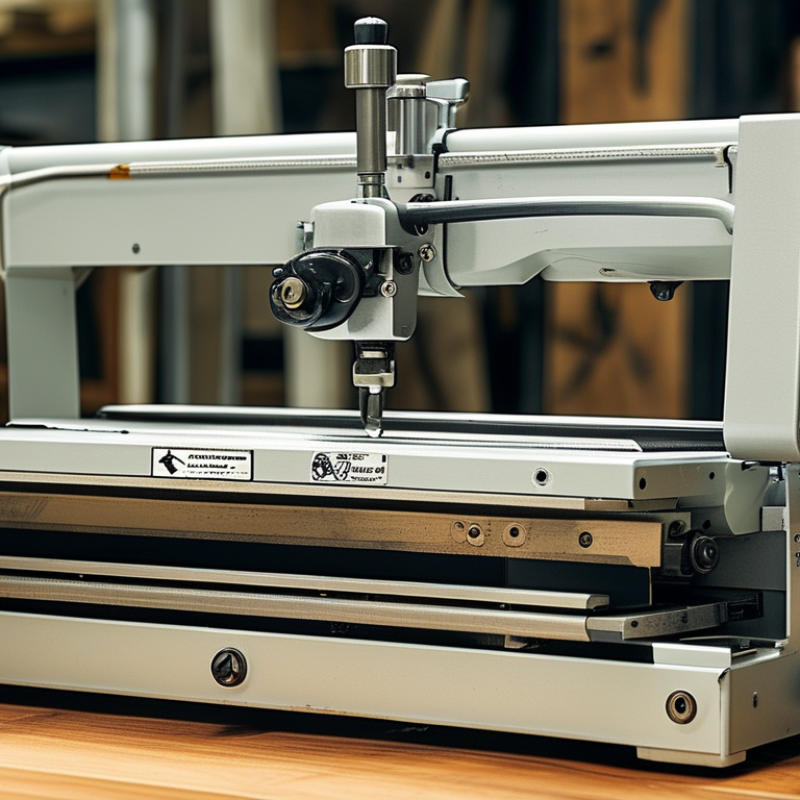
Understanding your sheet cutting needs is crucial for selecting the right machine. Start by considering the types of materials you'll cut. Is it paper, cardboard, or perhaps metal? Each material requires a different cutting technique. You'll need to assess the thickness and dimensions of the sheets as well. A heavy-duty machine works well for thicker materials, while a lightweight option suits thinner sheets.
Next, think about your production volume. Are you cutting a few sheets a day or thousands? If your needs are substantial, a high-capacity model might be necessary. However, investing in complex machinery without a clear need can lead to challenges. Reflect on your workspace too. Is there enough room for a larger machine? A compact model may be more suitable for limited space.
Don't overlook the machine's features. Consider automated systems for higher efficiency. Simpler machines might require more manual effort and lead to errors. Balancing these factors will help you make a reliable decision. Always remember, choosing the right machine is a journey of reflection and understanding rather than a mere selection.
When selecting a sheet cutting machine, understanding the types available is crucial for informed decisions. The market offers several categories of sheet cutting machines, each tailored to specific needs. Common types include laser cutting machines, die-cutting machines, and waterjet cutters. Laser cutting machines leverage high-powered lasers to cut materials with precision. They are ideal for thin sheets and intricate designs, offering clean edges and high efficiency.
Die-cutting machines use steel dies to create shapes from sheets. They are favored for bulk production and are often used in industries like packaging. According to a recent industry report, the die-cutting segment has shown a growth rate of about 8% annually, influenced by the rising demand for custom products. Waterjet cutters utilize high-pressure water jets to cut various materials. This method is suitable for thicker sheets and materials sensitive to heat but may require more maintenance.
Here’s a tip: assess your production volume and material types before choosing. Machines vary significantly in their cutting capabilities. Consider investing in a machine with multi-functional features to adapt to future needs. Take time to analyze your specific requirements; overlooking minor details in material thickness or desired finish can lead to costly mistakes.
When selecting a sheet cutting machine, several key features can greatly influence your decision. Precision is crucial; look for models that offer adjustable cutting depth and angle. A recent industry report highlights that machines with consistent accuracy improve production efficiency by nearly 30%. Such precision reduces material waste, yielding better returns on investment.
Furthermore, speed and throughput are essential. Opt for machines capable of handling various materials without sacrificing speed. According to research, machines that process more than 40 sheets per minute significantly enhance workflow efficiency, making them ideal for high-demand operations. Analyzing user reviews can offer insights into longevity and reliability, which are often overlooked yet vital factors.
Consider the ease of use. User-friendly interfaces simplify training and operation, which can be particularly beneficial in high-turnover environments. However, not all machines live up to their promises; some may require frequent maintenance. Always weigh the costs of upkeep against operational benefits. Understanding these nuances ensures you make an informed choice tailored to your specific needs.
When budgeting for your sheet cutting machine, consider the total cost of ownership. The initial price is just one factor. Think about ongoing expenses like maintenance, materials, and energy consumption. Each of these can significantly impact your budget over time.
Define your needs clearly. Do you prioritize speed or precision? A machine built for high speed may cost more upfront but save money in labor costs. Alternatively, a more precise machine could yield better quality results, affecting scrap rates and rework needs. Identify trade-offs. Consider which features are essential versus those that are nice to have.
Keep in mind that used machines can provide substantial savings. However, they may come with risks, such as limited warranty or lack of support. Research thoroughly, and assess the machine’s condition before making a decision. Take time to calculate potential returns on investment. Balancing your budget with your operational needs is crucial. Adjust your expectations to fit your financial reality.
When selecting a sheet cutting machine, maintenance and support are critical components often overlooked. Regular upkeep can significantly extend the machine's lifespan and optimize performance. Industry reports indicate that machines with robust maintenance programs can see a 30% increase in operational efficiency. Ensuring proper care of moving parts and regular blade sharpening can prevent costly downtime and repairs.
Support services are also vital. A machine is only as good as the assistance available when issues arise. According to a recent survey, 70% of businesses experience delays due to inadequate technical support. This emphasizes the need for accessible and responsive customer service from suppliers. Access to knowledgeable technicians and prompt service can mitigate the risks of production halts.
Regular training sessions for operators can improve machine handling skills. Enhanced skills lead to fewer errors and better production quality. However, many operators report lacking access to ongoing education. Addressing this gap can lead to better outcomes and fewer missteps in the production line. Ensuring your machine remains in top condition should be as much a priority as its initial selection.
„Thanks to the LUVIR technology, the solder resist process could be switched directly from the previously used mask exposure to direct exposure. As an outstanding digital solution on the market, this technology has been able to demonstrate fast process times and superior quality on our certified conventional ink in production. This allowed us to fully digitize the solder mask process at low cost – without process or ink adjustments. An excellent benefit to our production in Rot am See.“
Ralf Göhringer (Head of Production WE Rot am See)
I would definitely recommend the Limata machine and team for a future company purchase
Michael Greenaway
Compunetics Inc.
“The Limata ldi has been amazing!! Best thing we did was buy this machine”
Richard Brady
GM
Circuitlabs
“Since 2019, we have been running the Limata X1000 LDI system (including LUVIR for solder mask imaging) in daily production as an addition to our current process with film. The machine was capable of properly exposing Taiyo PSR-4000 BN (DI) solder mask types on normal to high-copper boards using a new and unique direct imaging process. The machine operating interface is very user friendly which allowed for a quick technical training curve. The pre-registration processing reduced several seconds of production time at every print. Limata support and service staff is incomparable. They supported our team every step of the way at basically any time of the day or night, with literally, an immediate response time, customizing the software interface to best fit our Operations and needs.
We have exposed more than 8,000 prints since end of October, on various solder mask colors and some resist film panels. Limata, has proven to be very capable and innovative. They are a strong contender in the industry.
We have very much enjoyed this project, and working with the team!
Thank you Limata for the continued support and being a part of our growth.”
Bill Sezate
Vice President, GM
Summit Interconnect
As a replacement to our current contact exposure process with film, the LIMATA X2000 system including LUVIR-Technology was capable of properly exposing non-LDI solder mask types using a direct imaging process. The machine offers cutting edge software with a very intuitive operating interface which allowed for quick technician training curve. The dual drawer system combined with pre-registration processing reduced several seconds of production time at every machine cycle. Limata support and service staff is world class. They added software patches to keep production running at shortest possible response times, customized the software interface to best fit our in-house Operations system, and even wrote a step-by-step machine processing manual. As a result of the project, we have exposed more than 16,000 times on various product types and solder mask brands/colors. Limata, in a very short timeframe as a company, has definitely shown they are truly innovative and will be challenging the industry of direct imaging for the top spot.
Kevin Beattie
Process Engineer
TTM Technologies
Forest Grove Division
