Choosing the right Solar Pv Modules is crucial for maximizing energy efficiency. Solar PV modules vary in quality, efficiency, and price. Understanding your specific needs can streamline this process.
When selecting solar PV modules, consider your energy consumption. Different modules offer distinct power outputs. High-efficiency panels may cost more but save money over time. However, budget constraints can limit options.
Each type of solar PV module has advantages and drawbacks. Research brand reputations and warranty options. Authentic customer reviews can help gauge reliability. Remember, not all products meet universal standards. Mistakes in choice can lead to inefficiencies. Take your time to evaluate your options.
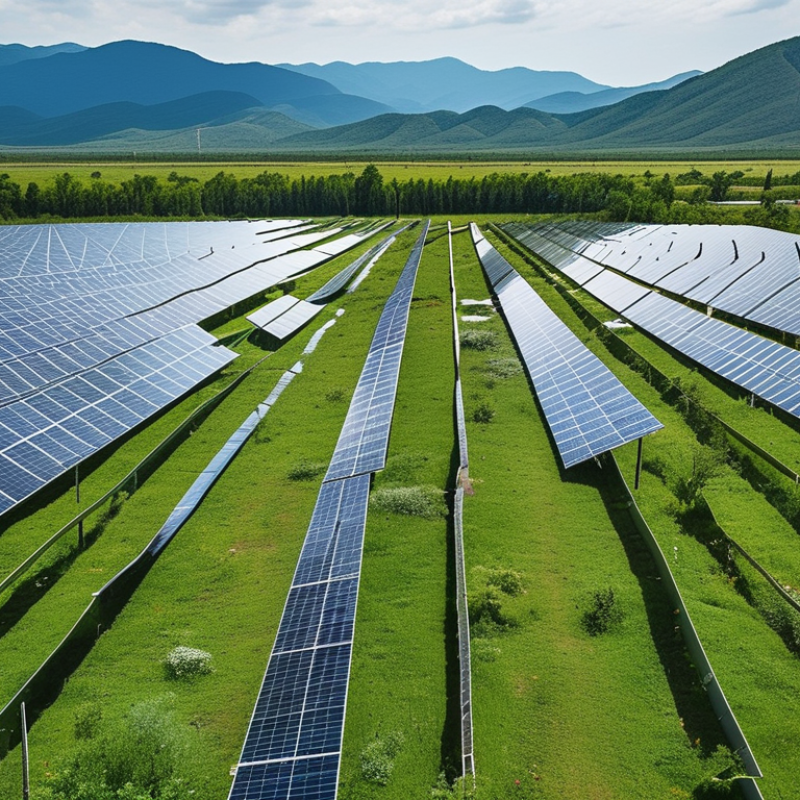
When selecting solar PV modules, efficiency is crucial. A module's efficiency determines how much sunlight it can convert into electricity. Understanding the factors that affect this efficiency helps in making informed decisions.
Temperature coefficient is one critical factor. Modules operate less efficiently at higher temperatures. Reports indicate that for every degree Celsius rise, efficiency can drop by 0.3% to 0.5%. This can impact overall energy production significantly in hot climates.
Another important aspect is the quality of materials used. Premium materials can enhance performance and longevity. A study showed that well-engineered cells could achieve over 20% efficiency. Conversely, lower-quality options may struggle to exceed 15%. Additionally, environmental considerations, such as shading and orientation, further complicate efficiency outcomes. Users must assess these factors based on their location and energy needs.
When selecting solar PV modules, understanding the types available is crucial. Monocrystalline and polycrystalline panels are the most common options. Monocrystalline panels are known for their high efficiency and sleek appearance. They are made from single crystal silicon, which allows for better performance in low-light conditions. This makes them a popular choice for rooftops with limited space.
On the other hand, polycrystalline panels are typically less expensive. These panels are made from multiple silicon crystals. While they are generally less efficient than monocrystalline panels, they still deliver solid performance. Their manufacturing process is simpler and more cost-effective. However, this can lead to a lower overall quality, which might not be suitable for every installation.
It's essential to reflect on your specific energy needs and budget. Consider where you will install the panels and how much space is available. Efficiency, durability, and overall aesthetics are also important factors. Take your time to weigh the pros and cons of each type. Making a rushed decision could lead to dissatisfaction in the long run.
When selecting solar photovoltaic (PV) modules, evaluating performance metrics is crucial. Power output is the first aspect to consider. It reflects how much electricity a module can generate under standard conditions. Higher wattage usually means better performance. However, installation location and environmental factors can influence these figures. It's essential to match the module's output with your specific energy needs.
The temperature coefficient is another significant metric. It indicates how much output decreases as temperature rises. Modules with a lower temperature coefficient are more efficient in hot climates. This feature is often overlooked. Few buyers fully grasp its impact on long-term performance.
Degradation rates matter too. All solar panels lose efficiency over time, but the rate varies. Some might degrade faster than others, leading to reduced lifetime value. Choosing a model with a lower degradation rate can be a wise investment. Reflecting on these factors may seem overwhelming. However, understanding them can lead to more informed decisions when choosing solar PV modules.
| Module Type | Power Output (W) | Temperature Coefficient (%/°C) | Performance Degradation Rate (%/year) |
|---|---|---|---|
| Monocrystalline | 350 | -0.35 | 0.5 |
| Polycrystalline | 320 | -0.40 | 0.5 |
| Bifacial | 400 | -0.30 | 0.5 |
| Thin Film | 250 | -0.20 | 0.8 |
When investing in solar PV modules, understanding the cost-benefit analysis is crucial. The upfront investment can feel hefty. However, the long-term savings often outweigh this initial financial burden. Solar systems typically have a lifespan of 25 years or more. This longevity can lead to significant savings on electricity bills. With rising energy costs, these savings become essential.
It is important to consider maintenance costs as well. While solar panels require minimal upkeep, occasional cleaning and inspections are necessary. This can add up over time. Additionally, not all solar systems guarantee the same return on investment. Some areas offer tax incentives while others do not.
Analyzing your energy consumption is equally important. If your household uses less energy, the savings may not be as pronounced. Also, the effectiveness of solar energy depends on geographic location. Some regions receive more sunlight than others. This variance affects overall efficiency and, subsequently, cost savings. Evaluating your specific situation is key to making an informed decision.
When selecting solar PV modules, researching manufacturers is crucial. Accreditation often indicates quality and reliability. Look for certifications from recognized organizations. These accreditations demonstrate that manufacturers meet industry standards. They show a commitment to excellence in their products.
Warranties are another key consideration. A comprehensive warranty shows that the manufacturer is confident in their product. Most modules come with a performance warranty and a product warranty. A longer warranty may give peace of mind, but it’s important to read the fine print. Manufacturers may have specific conditions that could void the warranty. Scrutinizing these details can prevent future disappointments.
Consumer reviews are invaluable, but they can be subjective. It’s wise to seek multiple sources of information. Engaging with current users can yield insight into the durability and efficiency of modules. Each person's experience may vary. What works for one may not work for another. Balancing various perspectives can help guide your decision-making process.
„Thanks to the LUVIR technology, the solder resist process could be switched directly from the previously used mask exposure to direct exposure. As an outstanding digital solution on the market, this technology has been able to demonstrate fast process times and superior quality on our certified conventional ink in production. This allowed us to fully digitize the solder mask process at low cost – without process or ink adjustments. An excellent benefit to our production in Rot am See.“
Ralf Göhringer (Head of Production WE Rot am See)
I would definitely recommend the Limata machine and team for a future company purchase
Michael Greenaway
Compunetics Inc.
“The Limata ldi has been amazing!! Best thing we did was buy this machine”
Richard Brady
GM
Circuitlabs
“Since 2019, we have been running the Limata X1000 LDI system (including LUVIR for solder mask imaging) in daily production as an addition to our current process with film. The machine was capable of properly exposing Taiyo PSR-4000 BN (DI) solder mask types on normal to high-copper boards using a new and unique direct imaging process. The machine operating interface is very user friendly which allowed for a quick technical training curve. The pre-registration processing reduced several seconds of production time at every print. Limata support and service staff is incomparable. They supported our team every step of the way at basically any time of the day or night, with literally, an immediate response time, customizing the software interface to best fit our Operations and needs.
We have exposed more than 8,000 prints since end of October, on various solder mask colors and some resist film panels. Limata, has proven to be very capable and innovative. They are a strong contender in the industry.
We have very much enjoyed this project, and working with the team!
Thank you Limata for the continued support and being a part of our growth.”
Bill Sezate
Vice President, GM
Summit Interconnect
As a replacement to our current contact exposure process with film, the LIMATA X2000 system including LUVIR-Technology was capable of properly exposing non-LDI solder mask types using a direct imaging process. The machine offers cutting edge software with a very intuitive operating interface which allowed for quick technician training curve. The dual drawer system combined with pre-registration processing reduced several seconds of production time at every machine cycle. Limata support and service staff is world class. They added software patches to keep production running at shortest possible response times, customized the software interface to best fit our in-house Operations system, and even wrote a step-by-step machine processing manual. As a result of the project, we have exposed more than 16,000 times on various product types and solder mask brands/colors. Limata, in a very short timeframe as a company, has definitely shown they are truly innovative and will be challenging the industry of direct imaging for the top spot.
Kevin Beattie
Process Engineer
TTM Technologies
Forest Grove Division
