Choosing the right Tungsten Carbide Strip can significantly impact your projects. Understanding your specific needs is crucial. With numerous options available, how do you ensure you select the best one?
Quality is paramount when evaluating Tungsten Carbide Strips. Look for manufacturers that prioritize durability and consistency. It's essential to consider various factors, such as thickness, width, and length. A strip that is too thin might compromise strength. However, a thicker strip can be harder to work with.
It's also important to reflect on your application. Different industries require different specifications. Engaging with industry experts can provide valuable insights. They can guide you toward a product that won't let you down. Ultimately, thoughtful consideration ensures you make an informed choice.
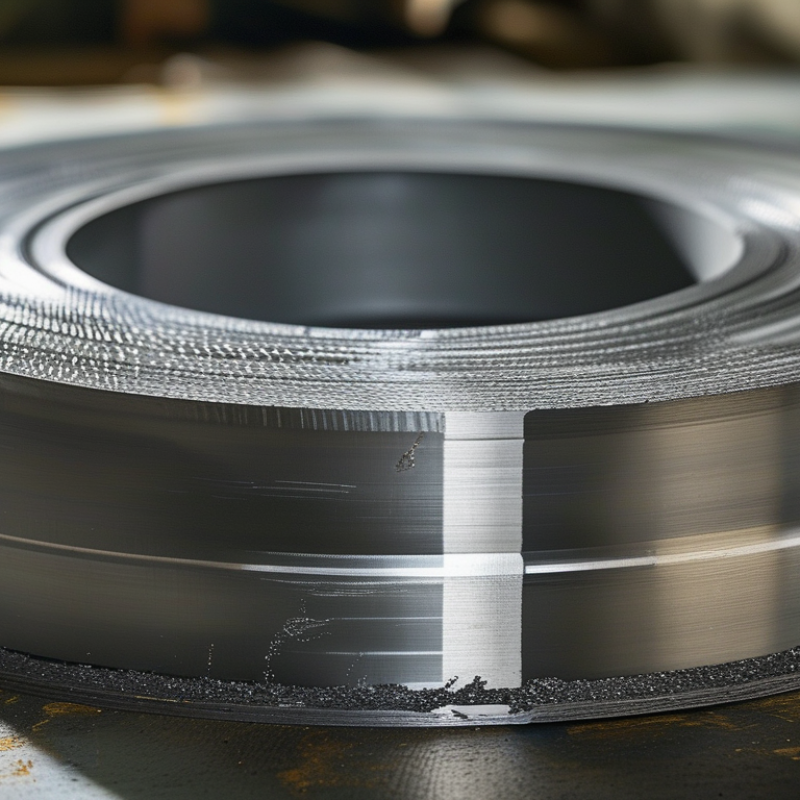
Tungsten carbide is a robust material widely used in manufacturing. It is composed of tungsten and carbon, creating a compound that is extremely hard and wear-resistant. This material is particularly known for its high density and strength, making it ideal for cutting tools and industrial applications. The toughness of tungsten carbide can withstand extreme conditions, a vital asset in various industries.
When choosing a tungsten carbide strip, it’s important to understand its properties. The hardness of tungsten carbide can reach up to 2000 HV, which allows for greater precision in cutting operations. This durability enhances productivity but may require careful handling. While tough, tungsten carbide strips can be brittle, leading to fractures if subjected to improper use or excessive force. Therefore, assessing the intended application is crucial to maximize the benefits of this material.
One must also consider the thickness and dimensions of the strip. Variations exist depending on the manufacturing process and specific use cases. Customization options might be limited, leading to potential mismatches with project requirements. Recognizing these details can significantly impact performance. It’s essential to weigh the advantages against these possible limitations for optimal outcomes.
When selecting tungsten carbide strips, understanding your specific needs is crucial. Different applications require different properties from the strips. For instance, the hardness of the tungsten carbide can vary significantly. This directly impacts the strip's durability and wear resistance. Do you need a strip for cutting, shaping, or some other purpose? The answers will guide you in making the right choice.
Another factor to consider is the thickness and width of the carbide strip. Thinner strips might be useful for precision work, while thicker ones could provide better support for heavy-duty tasks. You also need to reflect on the working conditions. Will the strips be used in wet or dry environments? This could affect their performance and longevity. Avoid jumping to conclusions too quickly; take the time to evaluate all these aspects. Realizing that what works for one task may not suit another is essential for making an informed decision.
When selecting tungsten carbide strips, understanding the different grades and qualities is crucial. Tungsten carbide, known for its hardness, has varying compositions and properties. For example, the hardness can range from 85 to 95 Rockwell C, significantly impacting its performance in applications. High-quality strips often feature a finer grain structure, which enhances their wear resistance.
Industry reports suggest that about 20% of carbide tools fail due to improper selection or grade mismatch. This reflects the need for careful evaluation. Different applications require specific grades; for example, strips utilized in mining require a tougher grade than those used in woodworking. Moreover, the bonding material in carbide strips can influence their strength and durability, adding another layer of complexity.
Choosing the right quality is not always straightforward. Testing different grades can be time-consuming and costly. It's essential to consider the operational environment, such as exposure to chemicals or extreme temperatures. A mismatch can lead to premature wear or failure, highlighting the need for detailed specifications in any order. Understanding these nuances will enable manufacturers to maximize the efficiency and lifespan of their tungsten carbide strips.
When selecting a tungsten carbide strip, comparing costs and performance is essential. Various tungsten carbide types can offer different strengths and weaknesses. The most common types include metal-bonded, ceramic-bonded, and cermet strips. Each type has distinct applications and performance characteristics, so understanding these differences can help you make an informed decision.
Cost is a crucial factor. Metal-bonded strips are generally more affordable but may wear out faster than ceramic-bonded options. Ceramic-bonded strips offer better wear resistance but at a higher price point. Cermet strips, which combine metal and ceramic, can offer a middle ground in terms of cost and performance. However, they may require careful handling, as they can be brittle.
Performance varies significantly based on the environment in which the strips are used. A strip that performs well in one application might fail in another, leading to unnecessary expenditures. It’s essential to conduct tests and gather data to determine which type best suits your needs. Consider aspects like temperature resistance and load-bearing capacity. Small adjustments in these variables can lead to notable differences in efficiency and longevity.
When sourcing tungsten carbide strips, start with assessing your specific needs. Consider the application you have in mind. Is it cutting, drilling, or wear resistance? Defining the purpose helps narrow down your options significantly.
It is essential to evaluate suppliers carefully. Look for manufacturers with a reputation for quality. Reading reviews can provide insights into their reliability. Engage with other users and industry professionals for recommendations. Trustworthy sources can save you from potential pitfalls.
Understanding the grades of tungsten carbide is crucial. Different grades have varying toughness and hardness levels. Know what works best for your project. Some suppliers may overstate the benefits of their products. Always verify claims with independent research. This diligence ensures you make an informed decision while purchasing.
„Thanks to the LUVIR technology, the solder resist process could be switched directly from the previously used mask exposure to direct exposure. As an outstanding digital solution on the market, this technology has been able to demonstrate fast process times and superior quality on our certified conventional ink in production. This allowed us to fully digitize the solder mask process at low cost – without process or ink adjustments. An excellent benefit to our production in Rot am See.“
Ralf Göhringer (Head of Production WE Rot am See)
I would definitely recommend the Limata machine and team for a future company purchase
Michael Greenaway
Compunetics Inc.
“The Limata ldi has been amazing!! Best thing we did was buy this machine”
Richard Brady
GM
Circuitlabs
“Since 2019, we have been running the Limata X1000 LDI system (including LUVIR for solder mask imaging) in daily production as an addition to our current process with film. The machine was capable of properly exposing Taiyo PSR-4000 BN (DI) solder mask types on normal to high-copper boards using a new and unique direct imaging process. The machine operating interface is very user friendly which allowed for a quick technical training curve. The pre-registration processing reduced several seconds of production time at every print. Limata support and service staff is incomparable. They supported our team every step of the way at basically any time of the day or night, with literally, an immediate response time, customizing the software interface to best fit our Operations and needs.
We have exposed more than 8,000 prints since end of October, on various solder mask colors and some resist film panels. Limata, has proven to be very capable and innovative. They are a strong contender in the industry.
We have very much enjoyed this project, and working with the team!
Thank you Limata for the continued support and being a part of our growth.”
Bill Sezate
Vice President, GM
Summit Interconnect
As a replacement to our current contact exposure process with film, the LIMATA X2000 system including LUVIR-Technology was capable of properly exposing non-LDI solder mask types using a direct imaging process. The machine offers cutting edge software with a very intuitive operating interface which allowed for quick technician training curve. The dual drawer system combined with pre-registration processing reduced several seconds of production time at every machine cycle. Limata support and service staff is world class. They added software patches to keep production running at shortest possible response times, customized the software interface to best fit our in-house Operations system, and even wrote a step-by-step machine processing manual. As a result of the project, we have exposed more than 16,000 times on various product types and solder mask brands/colors. Limata, in a very short timeframe as a company, has definitely shown they are truly innovative and will be challenging the industry of direct imaging for the top spot.
Kevin Beattie
Process Engineer
TTM Technologies
Forest Grove Division
