Choosing the right Turf Roller can significantly impact your lawn care and landscaping projects. According to landscape expert John Edwards, “A quality Turf Roller is essential for achieving a smooth, vibrant lawn.” This statement emphasizes the importance of making an informed decision.
Turf Rollers come in various sizes and styles. This diversity can be overwhelming for many buyers. Understanding your specific needs is crucial. Factors like lawn size, soil type, and intended use all influence the choice. A heavier roller may be better for compacting soil, while a lighter model suits smaller areas.
When considering a Turf Roller, think about construction and durability. High-quality materials will ensure longevity. It is also essential to evaluate ease of use. Some rollers may feel clunky or difficult to maneuver. These reflections are important when making an investment in lawn care. Choose wisely to enhance your outdoor space.
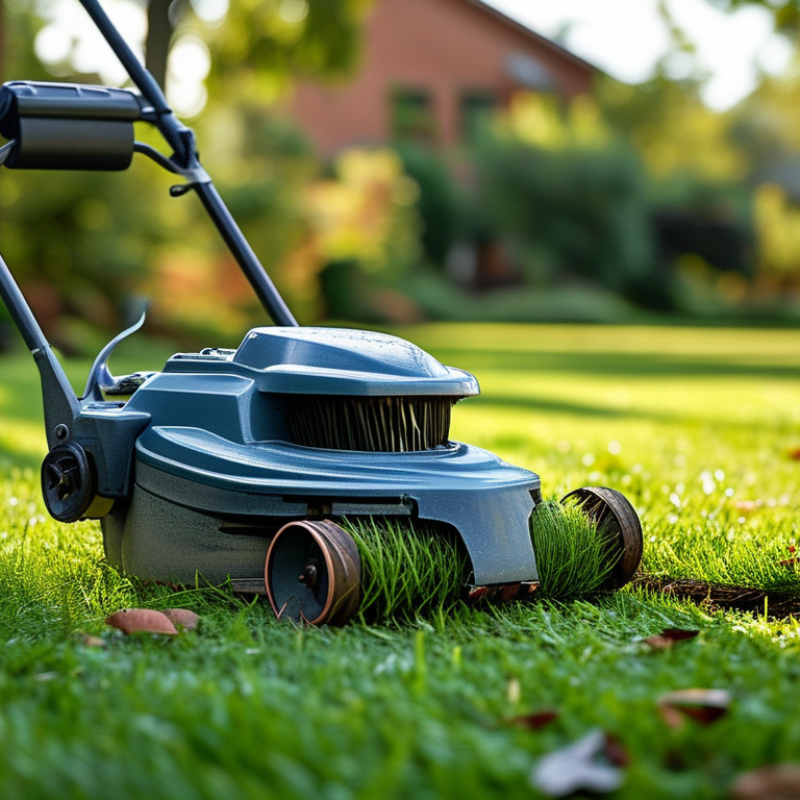
When selecting a turf roller, several key factors come into play. The size of the roller is crucial. Consider the area you need to cover. A larger roller can save time, but it may be challenging to maneuver in smaller spaces. A compact roller can be easier to handle, especially in intricate landscapes.
The weight of the turf roller is another essential aspect. Heavier rollers compact the soil more effectively, ensuring a smoother surface. However, excessive weight can strain your equipment or lead to damage in softer ground conditions. Assess your soil type and current terrain before making a choice.
Durability is also important. Look for solid construction materials that withstand wear and tear. Steel is typically more robust than plastic, but it can be heavier. Also, examine wheel quality. Quality wheels may provide better traction and stability. Reflecting on these features will enhance your decision, ensuring you invest wisely in a tool that meets your needs.
When it comes to turf rollers, understanding the different types and their benefits is essential. Each type serves a specific purpose and caters to unique needs. For instance, a steel turf roller is heavy and effective for compacting soil and seedbeds. It provides maximum soil contact. This type is ideal for large areas but may be cumbersome for small lawns.
On the other hand, plastic turf rollers are lighter and easier to maneuver. They are perfect for smaller residential lawns. Some users appreciate their ease of use but may find them less robust on tougher terrains. A water-filled roller offers a balance between weight and adjustability. Users can control the weight by adding or removing water. This flexibility allows for varied applications across different landscapes.
Considering your specific landscaping needs is vital. The intensity of use and the type of ground you work on can influence your choice. Some may even find themselves wishing they had opted for a different type after extensive use. Always reflect on what worked and what didn’t in your previous experiences to make a more informed decision.
When selecting the right turf roller, size plays a crucial role. Various standards exist for turf roller dimensions based on intended use. For example, a residential lawn usually requires smaller rollers, around 24 to 36 inches, while professional-grade rollers can extend up to 60 inches. According to the Sports Turf Managers Association, larger rollers are recommended for extensive areas, enhancing efficiency in turf management.
Weight is another important factor. Industry data suggests that a roller weight between 500 to 1,500 pounds optimizes soil compaction without causing damage. A study from the American Society of Agronomy highlights that overly heavy rollers can lead to soil compaction beyond acceptable limits, indicating a need for balance. Users should consider their specific turf conditions and desired outcomes before making a final choice.
Operational ease should not be overlooked either. Turf rollers with adjustable widths allow flexibility to fit different types of landscapes. However, a common mistake is underestimating the slope of the terrain. Uneven ground can create challenges, making it essential to visually assess the grading before purchasing. This reflection can lead to better outcomes in lawn care and maintenance.
When selecting a turf roller, understanding weight and durability is essential. The right roller should not feel overly cumbersome, making transportation and operation manageable. Generally, a weight between 500 to 800 pounds strikes a balance. It offers sufficient ground contact for effective rolling while allowing ease of maneuverability. Consider rollers with robust construction materials. Steel and heavy-duty plastics typically show better durability.
Durability is tested over time. One common pitfall is underestimating wear and tear. Rollers face environmental stressors like moisture and soil contact. Opt for models designed for rigorous use. Regular inspection for rust or damage can prevent significant issues later. A well-maintained roller extends its lifespan and ensures better performance.
Reflect on your specific needs. If you're rolling large areas frequently, investing in a high-quality, durable model pays off. Alternatively, for occasional use, a lighter, budget-friendly option may suffice. Finding the right balance between weight and durability can be challenging. Pay attention to customer reviews for insights. Real-world experiences often reveal nuances that specs cannot communicate fully.
| Feature | Description | Weight (lbs) | Durability Rating (1-5) |
|---|---|---|---|
| Standard Turf Roller | Designed for residential lawns, lightweight. | 100 | 4 |
| Heavy-Duty Turf Roller | For commercial use, built to withstand heavy workloads. | 300 | 5 |
| Adjustable Turf Roller | Versatile options for different turf types. | 150 | 4 |
| Electric Turf Roller | Electric-powered for ease of use. | 200 | 3 |
| Manual Turf Roller | Economical choice, suitable for small areas. | 80 | 3 |
When considering the purchase of a turf roller, budget plays a pivotal role. Understanding your financial limits helps narrow down options. Turf rollers vary greatly in price, from affordable models to high-end professional equipment. Analyzing your specific needs allows for smarter spending. What features do you need the most? Is durability a priority or is ease of use more essential?
Investing in the right turf roller requires careful thought. A basic model may suffice for small residential lawns, but larger fields demand more robust rollers. It's important to assess the long-term costs, such as maintenance and potential replacements. Sometimes, spending slightly more upfront can save money in the long run. Reflecting on your usage patterns can provide clarity. Will the roller see frequent use, or just occasionally?
Think about the additional costs, such as delivery or assembly. These can impact your budget significantly. Balancing quality and price is crucial. Be aware that the cheapest option may not offer the best performance. An informed choice today can enhance your turf's health tomorrow, leading to fewer regrets later on.
„Thanks to the LUVIR technology, the solder resist process could be switched directly from the previously used mask exposure to direct exposure. As an outstanding digital solution on the market, this technology has been able to demonstrate fast process times and superior quality on our certified conventional ink in production. This allowed us to fully digitize the solder mask process at low cost – without process or ink adjustments. An excellent benefit to our production in Rot am See.“
Ralf Göhringer (Head of Production WE Rot am See)
I would definitely recommend the Limata machine and team for a future company purchase
Michael Greenaway
Compunetics Inc.
“The Limata ldi has been amazing!! Best thing we did was buy this machine”
Richard Brady
GM
Circuitlabs
“Since 2019, we have been running the Limata X1000 LDI system (including LUVIR for solder mask imaging) in daily production as an addition to our current process with film. The machine was capable of properly exposing Taiyo PSR-4000 BN (DI) solder mask types on normal to high-copper boards using a new and unique direct imaging process. The machine operating interface is very user friendly which allowed for a quick technical training curve. The pre-registration processing reduced several seconds of production time at every print. Limata support and service staff is incomparable. They supported our team every step of the way at basically any time of the day or night, with literally, an immediate response time, customizing the software interface to best fit our Operations and needs.
We have exposed more than 8,000 prints since end of October, on various solder mask colors and some resist film panels. Limata, has proven to be very capable and innovative. They are a strong contender in the industry.
We have very much enjoyed this project, and working with the team!
Thank you Limata for the continued support and being a part of our growth.”
Bill Sezate
Vice President, GM
Summit Interconnect
As a replacement to our current contact exposure process with film, the LIMATA X2000 system including LUVIR-Technology was capable of properly exposing non-LDI solder mask types using a direct imaging process. The machine offers cutting edge software with a very intuitive operating interface which allowed for quick technician training curve. The dual drawer system combined with pre-registration processing reduced several seconds of production time at every machine cycle. Limata support and service staff is world class. They added software patches to keep production running at shortest possible response times, customized the software interface to best fit our in-house Operations system, and even wrote a step-by-step machine processing manual. As a result of the project, we have exposed more than 16,000 times on various product types and solder mask brands/colors. Limata, in a very short timeframe as a company, has definitely shown they are truly innovative and will be challenging the industry of direct imaging for the top spot.
Kevin Beattie
Process Engineer
TTM Technologies
Forest Grove Division
