Choosing an Asphalt Storage Tank is not just a matter of matching capacity to daily production. The right choice depends on the asphalt grade, delivery schedule, site layout, and how long material must remain hot. A tank that is too small can disrupt loading. One that is oversized may keep more material heated than operations require. Details matter.
Start with the working volume, not only the tank’s advertised capacity. Consider usable capacity, expected peak demand, and room for safe expansion. Then assess the heating system, insulation, and temperature controls. For example, a poorly insulated tank can lose heat during a cold night, while uneven heating may affect material quality. The exact needs vary by product and operating conditions, so confirm recommendations with qualified equipment and process specialists.
Construction and access deserve equal attention. Check the tank’s materials, weld quality documentation, inspection access, ladders, valves, and maintenance clearances. Look at burner or electric-heater service requirements, too. A compact unit may fit the site but leave little room for repairs. Not always obvious.
There is no universally best Asphalt Storage Tank. A sound selection balances capacity, heat retention, safety features, maintenance demands, and the conditions at the installation site. Compare documented specifications rather than relying on broad claims. And leave room for questions: a supplier’s standard configuration may not suit your actual workflow. That is worth checking before purchase.
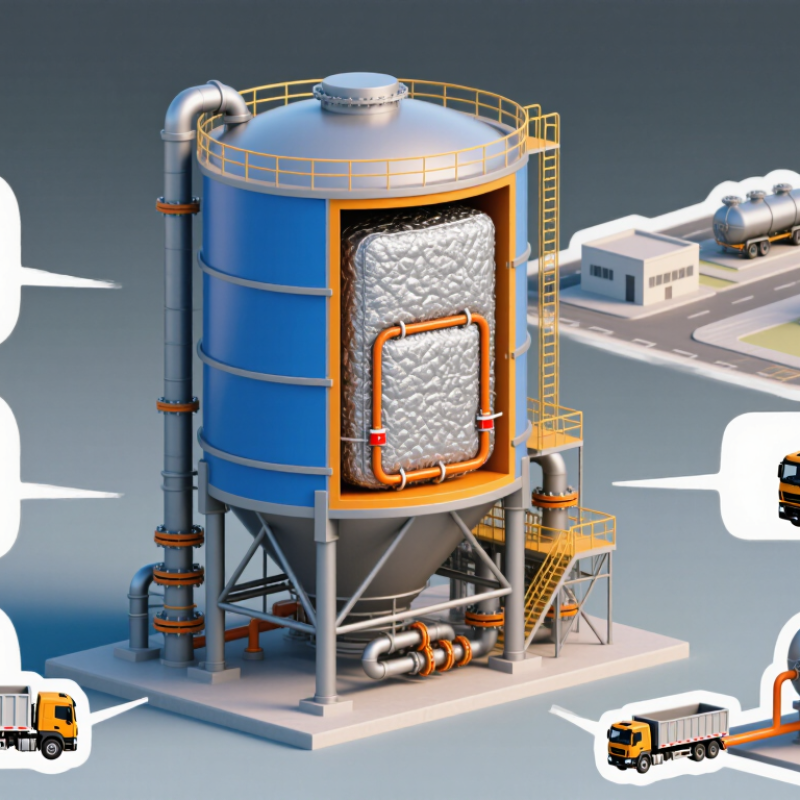
Start with the asphalt grade and its temperature range. Different binders may need different handling conditions, so check the product data and supplier guidance. Record the target storage temperature, expected delivery volume, and how long material may remain in the tank. Avoid choosing a temperature from habit alone; excessive heat can affect product quality and increase energy use. Note the coldest local weather, too. Small details matter.
Estimate working capacity from actual delivery schedules, not just daily consumption. A tank that is too small may force rushed deliveries; one that is oversized can leave asphalt sitting longer than planned. Treat early capacity estimates as provisional. Delivery peaks often reveal assumptions that looked sound on paper. Then map the operating cycle: filling, heating, holding, and dispatching. Identify available power, likely heat loss, and any periods when staff cannot monitor the system. Specify insulation and heating controls suited to those conditions, plus temperature readings operators can check easily. Plan for safe access, clear operating procedures, and maintenance around heaters and sensors. Real sites vary. Recheck the requirements with the people who handle deliveries and operate the tank; their routine observations can expose practical gaps in a design.
| Planning Dimension | Requirements and Operating Conditions to Define | Tank Selection and Design Considerations |
|---|---|---|
| Asphalt grade and product properties | Identify the paving grade, viscosity, softening characteristics, and whether the material is polymer-modified or contains other additives. Different products may require different handling temperatures. | Confirm the product’s recommended storage and pumping temperatures with the supplier. Check that the tank, heating system, pumps, valves, and seals are suitable for the product and temperature. |
| Required storage temperature | Conventional paving asphalt is commonly stored at roughly 135–180 °C, depending on grade and handling needs. Polymer-modified and specialty products may have different requirements. | Specify the actual operating range rather than selecting equipment from a generic temperature alone. Use temperature controls and independent high-temperature protection to reduce overheating risk. |
| Daily throughput and storage buffer | Estimate average and peak daily consumption, delivery frequency, and the number of days of inventory needed to cover supply interruptions. | Estimate working volume using: required mass ÷ product density. Then allow for unusable volume and operating fill limits. For example, 200 t of inventory at an assumed density of 1.03 t/m³ is about 194 m³ of product before allowances for headspace and unusable volume. |
| Product density and volume basis | Use the product’s documented density at the relevant reference temperature when converting tonnes to cubic metres. Density changes with temperature. | Size by mass and usable volume, and state the temperature basis for calculations. Do not treat nominal tank capacity as fully usable storage volume. |
| Storage duration and turnover | Determine the expected time between receipt and use, including the longest likely hold period. Some modified or specialty asphalts can be more sensitive to prolonged hot storage. | Plan inventory turnover to suit the grade. Avoid unnecessarily long hot storage, and confirm any maximum holding time or agitation requirement with the product supplier. |
| Heating method | Define the heat source available on site, required heat-up time, operating schedule, and whether continuous temperature maintenance is needed. | Common arrangements include indirect heating with a thermal-fluid coil or an external heating system. Select a system that provides controlled, even heating and is compatible with the asphalt and site utilities. |
| Heat loss and insulation | Consider outdoor design temperatures, wind exposure, tank location, operating hours, and the temperature drop acceptable during standby. | Insulate the tank and hot product lines to reduce heat loss and energy use. Include weather-resistant cladding and suitable access for inspection and maintenance. |
| Tank orientation and site layout | Assess available footprint, foundation conditions, delivery access, pipe routing, maintenance clearances, and local permitting requirements. | Vertical tanks can reduce ground footprint; horizontal tanks may suit sites with height constraints or particular transport and installation needs. Confirm the foundation, access, and installation method for the selected arrangement. |
| Loading, unloading, and pumping | Define vehicle connection points, transfer rates, pump suction conditions, line lengths, and the required delivery temperature at the point of use. | Size pumps and heated or insulated lines for the product’s viscosity and operating temperature. Provide suitable isolation valves, strainers where appropriate, and safe, accessible connection points. |
| Temperature monitoring and control | Identify the locations where temperature must be measured, the normal operating range, alarm limits, and the response to sensor or power failure. | Use appropriately located temperature sensors and a control system that avoids localized overheating. Provide alarms and independent over-temperature protection suited to the installation. |
| Mixing and product consistency | Determine whether the grade requires circulation or agitation to maintain uniformity, particularly during extended storage or when additives are present. | Provide circulation or mixing only where required by the product and process. Confirm that the equipment arrangement supports uniform temperature without creating excessive shear or air entrainment. |
| Safety and environmental controls | Assess hot-surface exposure, burns, overflow, spills, fumes, fire hazards, and the applicable site and regulatory requirements. | Include suitable access platforms, guarding, level indication, overfill prevention, spill containment, emergency procedures, and ventilation as required by the site risk assessment and local codes. |
| Maintenance and inspection | Define inspection access, cleaning needs, expected service life, and how the tank and heating components will be isolated for maintenance. | Allow access to manways, instruments, coils, valves, and critical connections. Select materials and construction details appropriate to the operating temperature, product, and applicable standards. |
| Final design confirmation | Operating temperatures, holding times, density, and equipment requirements vary with product grade, climate, process, and jurisdiction. | Verify the final tank specification with the asphalt supplier, equipment designer, and relevant local authorities before purchase and installation. |
Size the tank from peak daily binder use, delivery lead time, and the reserve your plant actually needs. Use: required mass = peak daily use × days between deliveries. Then divide by binder density to estimate net volume. The Shell Bitumen Handbook gives bitumen density values close to 1.0 g/cm³; ASTM D70/D70M provides a test method for measuring density. Use the density on the binder’s quality certificate when available, since grade and temperature affect the result.
For example, a plant using 20 tonnes per day and holding three days of stock needs 60 tonnes. At an assumed density of 1.02 tonnes per cubic metre, that is about 59 m³ of net binder volume. If an illustrative 10% of tank capacity is reserved for headspace, the gross tank volume would be about 65 m³. Confirm the final allowance with the tank designer: hot binder expands, and heating coils, unusable heel, and delivery timing also affect usable capacity. Small details matter. I would revisit the estimate after tracking real consumption for a few weeks.
Tips: Base the calculation on peak-season use, not the annual average. Keep a simple delivery log; one missed truck can expose a weak reserve assumption.
Choosing the tank type starts with the site and the asphalt’s operating temperature. A vertical tank uses less ground space and suits many fixed installations. A horizontal tank can be easier to transport or fit beneath height limits. Check capacity, access for maintenance, foundation loads, and delivery routes before deciding.
Small details matter. A narrow ladder or poorly placed nozzle can complicate routine work.
Carbon steel is a common choice because it is strong and practical for heated storage. Stainless steel may be appropriate when the stored material or site conditions create greater corrosion concerns, but it can raise costs. Match the material to the asphalt, heating method, and expected service life. Insulation helps reduce heat loss; an indirect heating system can limit localized overheating.
The right setup depends on the tank’s design, not just its material. Ask a qualified engineer to review temperature controls, welds, and applicable design requirements.
One detail is easy to miss: added insulation changes the tank’s exterior dimensions, which can affect clearances. A larger tank may seem safer, yet it can also increase heating demand and installation complexity.
When comparing asphalt storage tanks, look beyond heating capacity. The system should maintain a workable temperature without scorching material near the heat source. Indirect heating can reduce localized overheating, while direct-fired designs may suit some installations but need careful control. Ask how temperature is measured, where sensors sit, and whether operators can spot uneven heating. A display alone is not enough.
Insulation affects both heat loss and daily operating effort. Check the insulation thickness, weather protection, and condition of seams around access points. A warm tank surface can signal heat escaping, though surface checks do not replace an energy assessment. Consider the site’s climate and how often the tank is used. More insulation is not automatically better if maintenance access becomes difficult. That trade-off is easy to miss.
Safety features deserve the same attention as heating performance. Look for guarded hot surfaces, accessible emergency shutoffs, clear temperature alarms, and safe access to gauges and service points. Ask how the tank handles power loss or a failed sensor. Operators should be able to reach controls without stepping across hoses or climbing around hot equipment. Small layout details matter. Review the maintenance instructions with the people who will use the tank; a feature that is hard to inspect may not help much in practice.
Assess the site before comparing tank prices. Measure the available footprint, truck access, ground conditions, and distance to the unloading point. A tank may fit on a drawing but leave too little room for safe inspection or maintenance. Check local weather, too; wind exposure and cold periods affect insulation and heating needs. Small details matter.
Maintenance costs depend on the tank’s design and daily use. Look for accessible inspection points, durable insulation, and heating components that technicians can reach without dismantling surrounding equipment. Ask how often burners, pumps, valves, and temperature controls need service. Heat is not free. Poor insulation can increase fuel use, while neglected controls may create uneven temperatures and operational delays. A realistic maintenance schedule should include labor, parts, cleaning, and planned downtime.
Compare total ownership costs over the expected service life, not just the purchase price. Include site preparation, foundations, installation, energy, routine repairs, and eventual removal. Request clear assumptions for capacity, operating hours, and fuel consumption so estimates can be compared fairly. A common planning weakness is relying on ideal operating conditions; actual deliveries and demand rarely stay perfectly steady. Leave room for practical variation, and verify major estimates with qualified tank and site professionals.
„Thanks to the LUVIR technology, the solder resist process could be switched directly from the previously used mask exposure to direct exposure. As an outstanding digital solution on the market, this technology has been able to demonstrate fast process times and superior quality on our certified conventional ink in production. This allowed us to fully digitize the solder mask process at low cost – without process or ink adjustments. An excellent benefit to our production in Rot am See.“
Ralf Göhringer (Head of Production WE Rot am See)
I would definitely recommend the Limata machine and team for a future company purchase
Michael Greenaway
Compunetics Inc.
“The Limata ldi has been amazing!! Best thing we did was buy this machine”
Richard Brady
GM
Circuitlabs
“Since 2019, we have been running the Limata X1000 LDI system (including LUVIR for solder mask imaging) in daily production as an addition to our current process with film. The machine was capable of properly exposing Taiyo PSR-4000 BN (DI) solder mask types on normal to high-copper boards using a new and unique direct imaging process. The machine operating interface is very user friendly which allowed for a quick technical training curve. The pre-registration processing reduced several seconds of production time at every print. Limata support and service staff is incomparable. They supported our team every step of the way at basically any time of the day or night, with literally, an immediate response time, customizing the software interface to best fit our Operations and needs.
We have exposed more than 8,000 prints since end of October, on various solder mask colors and some resist film panels. Limata, has proven to be very capable and innovative. They are a strong contender in the industry.
We have very much enjoyed this project, and working with the team!
Thank you Limata for the continued support and being a part of our growth.”
Bill Sezate
Vice President, GM
Summit Interconnect
As a replacement to our current contact exposure process with film, the LIMATA X2000 system including LUVIR-Technology was capable of properly exposing non-LDI solder mask types using a direct imaging process. The machine offers cutting edge software with a very intuitive operating interface which allowed for quick technician training curve. The dual drawer system combined with pre-registration processing reduced several seconds of production time at every machine cycle. Limata support and service staff is world class. They added software patches to keep production running at shortest possible response times, customized the software interface to best fit our in-house Operations system, and even wrote a step-by-step machine processing manual. As a result of the project, we have exposed more than 16,000 times on various product types and solder mask brands/colors. Limata, in a very short timeframe as a company, has definitely shown they are truly innovative and will be challenging the industry of direct imaging for the top spot.
Kevin Beattie
Process Engineer
TTM Technologies
Forest Grove Division
