Choosing the right Chamber Filter Plate can significantly impact your filtration processes. In 2022, the global filter plate market was valued at approximately $4 billion and is projected to grow at a CAGR of 5.5% by 2030. This growth indicates the increasing importance of effective filtration technology across various industries, including pharmaceuticals and food processing.
The efficiency of a Chamber Filter Plate is determined by its design, material, and application. Considerations like filtration capacity and cake release properties are essential for optimizing performance. A poorly chosen filter plate may lead to reduced efficiency and increased operational costs. For instance, plates that lack the right structure can result in higher energy consumption and prolonged processing time.
Selecting the best filter plate involves understanding specific needs and industry standards. Not all filter plates are created equal; their performance can vary based on design features. Therefore, a detailed assessment of available options and expert consultation is crucial to ensure optimal outcomes. Making an informed choice can enhance productivity while minimizing waste.
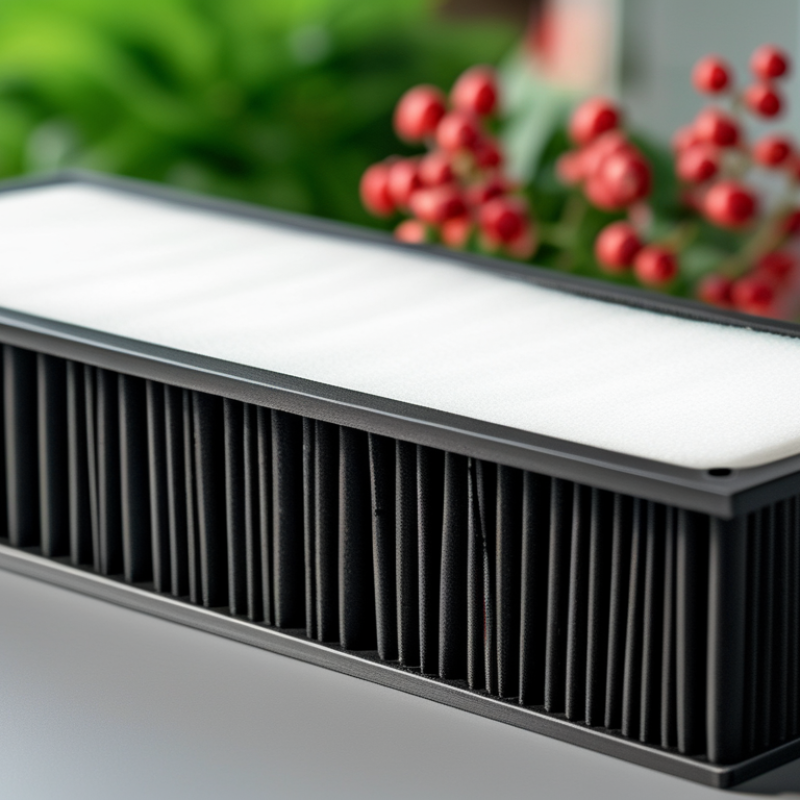
Choosing the right chamber filter plate requires understanding the various types available and their applications. Chamber filter plates are critical in many industrial processes, especially in sectors like pharmaceuticals and food processing. They vary in material, design, and pore size, which influences performance and efficiency.
Common types include membrane filter plates, designed for higher filtration rates and fine particles, and standard filter plates, widely used for general applications. According to industry reports, approximately 70% of users prefer membrane designs for their efficiency in separating fine solids from liquids. Selection depends largely on fluid characteristics, such as viscosity and chemical reactivity.
Many professionals overlook dimensions and compatibility with existing systems. A misfit can lead to operational inefficiencies. Furthermore, not every filter plate can handle aggressive chemicals. This leads to the need for a thorough understanding of the task at hand. Assessing compatibility helps in selecting the right type and achieving optimal performance. Disregarding this can complicate maintenance and increase costs significantly.
| Type | Material | Application | Filtration Area (m²) | Max Pressure (bar) |
|---|---|---|---|---|
| Chamber Filter Plate A | Polypropylene | Chemical Processing | 1.0 | 10 |
| Chamber Filter Plate B | Stainless Steel | Food Industry | 1.5 | 15 |
| Chamber Filter Plate C | FRP (Fiberglass Reinforced Plastic) | Wastewater Treatment | 2.0 | 8 |
| Chamber Filter Plate D | PTFE (Teflon) | Pharmaceuticals | 1.2 | 12 |
| Chamber Filter Plate E | Cast Iron | Mining | 1.8 | 20 |
Selecting the right chamber filter plate is crucial for optimizing filtration processes. Key factors to consider include the material, pore size, and plate dimensions. According to industry reports, about 70% of filtration issues stem from inappropriate selection of these parameters. For instance, consider the type of fluid you are filtering. Different materials exhibit varying compatibility with chemicals, which can affect longevity and filtration efficiency.
Pore size is another vital factor. The pore size you choose will directly impact the particle retention and flow rate. A smaller pore size provides better filtration but may lead to increased pressure. Studies show that using the correct pore size can boost efficiency by 25%. Additionally, dimensions must match your system. Mismatched dimensions can lead to leaks and downtime.
Cost and production volume are also important considerations. Many users overlook these, which can lead to overspending on unnecessary features. In research, nearly 40% of users found that proper planning saved costs in the long run. Balancing these factors can be complex. Regular reviews and adjustments can enhance system performance and reliability.
Selecting the right material for chamber filter plates is crucial for effective filtration. This choice directly impacts performance and durability. Common materials include polypropylene, polystyrene, and stainless steel. Each material has unique properties suited for specific applications.
Polypropylene, for instance, is lightweight and resistant to chemical attacks, making it ideal for industries like pharmaceuticals. However, it may not hold up well under extreme temperatures. In contrast, stainless steel offers exceptional strength and temperature resilience, but it is heavier and more expensive. Statistics show that polymer-based filters account for over 40% of the market due to their versatility.
Understanding the specific requirements of your application helps narrow down material choices. A well-constructed chamber filter plate enhances efficiency and reduces downtime. However, not all materials fit every scenario. A misstep in selection can lead to increased maintenance costs and compromised product quality. This industry requires constant reflection on material performance against operational needs.
When selecting a chamber filter plate, size and configuration are key factors to consider. The size of the filter plate should match your specific filtration requirements. Larger plates may hold more filtrate, but they can be cumbersome. Smaller plates are easier to handle but may limit capacity. It’s essential to analyze your operational needs before making a decision.
Additionally, the configuration of the filter plate plays a crucial role in efficiency. For instance, a plate with a larger surface area can enhance filtration speed. However, this may not always be the best option if the liquid being filtered is particularly viscous. Experimenting with different configurations can sometimes lead to unexpected challenges, such as uneven flow dynamics.
Pay attention to your actual filtration applications. A mismatch in size or configuration can lead to inefficiencies or increased wear on equipment. It’s valuable to reflect on past experiences. Consider what worked and what didn't. The right choice requires a balance between your filtration needs and the physical limitations of the equipment. Take the time to research and evaluate your options carefully.
When selecting chamber filter plates, many professionals fall into common traps. One frequent mistake is overlooking the filtration material. Choosing the wrong material can lead to reduced efficiency. According to a report by Filtration & Separation, using the proper material can improve filtration speed by up to 50%. Make sure to match the material with your specific application to avoid significant performance issues.
Another pitfall is ignoring the dimensions and compatibility with existing systems. Incompatible sizes can result in leaks or inefficiencies. Nearly 30% of users have reported problems due to mismatched dimensions, according to the Chamber Filter Association. Measure your existing setups carefully and consider both height and width. Pay attention to the design as well; a poorly designed plate can create dead spaces that hinder flow.
Users often overlook the importance of the sealing method. Inadequate sealing can lead to contamination and fluid leakage, which are critical to avoid in sensitive applications. Research has shown that proper sealing techniques can prevent up to 90% of potential leak issues. Always evaluate the seal types available and their reliability in your specific situation. Ignoring these details can result in costly downtime and affect the overall process.
„Thanks to the LUVIR technology, the solder resist process could be switched directly from the previously used mask exposure to direct exposure. As an outstanding digital solution on the market, this technology has been able to demonstrate fast process times and superior quality on our certified conventional ink in production. This allowed us to fully digitize the solder mask process at low cost – without process or ink adjustments. An excellent benefit to our production in Rot am See.“
Ralf Göhringer (Head of Production WE Rot am See)
I would definitely recommend the Limata machine and team for a future company purchase
Michael Greenaway
Compunetics Inc.
“The Limata ldi has been amazing!! Best thing we did was buy this machine”
Richard Brady
GM
Circuitlabs
“Since 2019, we have been running the Limata X1000 LDI system (including LUVIR for solder mask imaging) in daily production as an addition to our current process with film. The machine was capable of properly exposing Taiyo PSR-4000 BN (DI) solder mask types on normal to high-copper boards using a new and unique direct imaging process. The machine operating interface is very user friendly which allowed for a quick technical training curve. The pre-registration processing reduced several seconds of production time at every print. Limata support and service staff is incomparable. They supported our team every step of the way at basically any time of the day or night, with literally, an immediate response time, customizing the software interface to best fit our Operations and needs.
We have exposed more than 8,000 prints since end of October, on various solder mask colors and some resist film panels. Limata, has proven to be very capable and innovative. They are a strong contender in the industry.
We have very much enjoyed this project, and working with the team!
Thank you Limata for the continued support and being a part of our growth.”
Bill Sezate
Vice President, GM
Summit Interconnect
As a replacement to our current contact exposure process with film, the LIMATA X2000 system including LUVIR-Technology was capable of properly exposing non-LDI solder mask types using a direct imaging process. The machine offers cutting edge software with a very intuitive operating interface which allowed for quick technician training curve. The dual drawer system combined with pre-registration processing reduced several seconds of production time at every machine cycle. Limata support and service staff is world class. They added software patches to keep production running at shortest possible response times, customized the software interface to best fit our in-house Operations system, and even wrote a step-by-step machine processing manual. As a result of the project, we have exposed more than 16,000 times on various product types and solder mask brands/colors. Limata, in a very short timeframe as a company, has definitely shown they are truly innovative and will be challenging the industry of direct imaging for the top spot.
Kevin Beattie
Process Engineer
TTM Technologies
Forest Grove Division
