Choosing the right Chlorine Tank is essential for maintaining safety and efficiency. A suitable tank can ensure optimal performance and reduce risks associated with chlorine storage. There are various types available, each with distinct features. Understanding your specific needs is crucial.
When considering a Chlorine Tank, think about the size, material, and storage capacity. A larger tank may seem convenient, but it also poses greater risks. It's vital to balance capacity and safety. Proper maintenance is another aspect that shouldn't be overlooked. Neglecting this can lead to unforeseen issues.
Reflecting on past experiences with Chlorine Tanks can provide valuable insights. Many users realize that a well-chosen tank can prevent accidents and extend the lifespan of the chlorine. Hence, the right selection is not just a preference, but a necessity for safe operations.
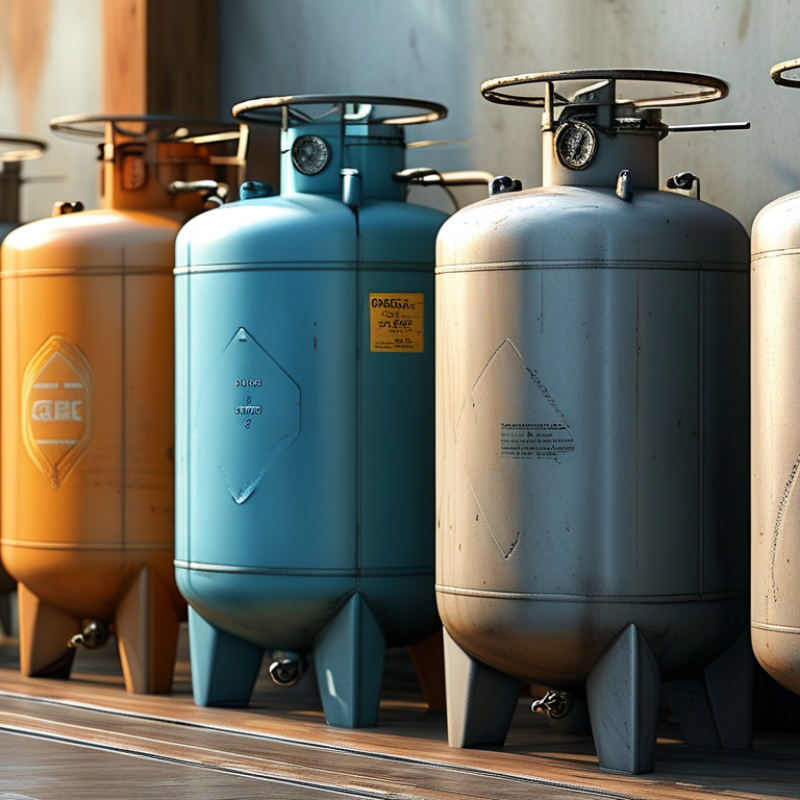
When selecting a chlorine tank, understanding the various types available is crucial. There are primarily two types: above-ground and underground tanks. Above-ground tanks are easier to access and maintain. They are typically used in smaller facilities or homes where space is limited. Underground tanks, on the other hand, are larger and designed for commercial applications. They offer more storage capacity and are less exposed to environmental factors.
Each type has its specific uses, depending on the situation. Above-ground tanks may require frequent monitoring. Issues like corrosion or leakage can occur, demanding regular inspections. Underground tanks tend to have longer life spans but require careful installation to avoid complications. Choosing the right type isn't just about storage; it impacts safety and efficiency.
Consider your needs carefully. Sometimes, people assume that bigger tanks are always better. This isn't always the case. Overestimating your needs can lead to unnecessary expenses and maintenance challenges. Understand your requirements and the implications of each tank type before making a decision. Balancing functionality with budget constraints is vital for success.
When selecting a chlorine tank, capacity plays a critical role. The appropriate tank size ensures efficient chlorination for various applications. According to industry reports, improper tank sizing can lead to under-chlorination or over-chlorination, harming water quality. A properly sized tank meets both immediate demand and future needs, ensuring reliability.
For instance, a swimming pool requires different chlorine levels than a wastewater treatment facility. The average residential pool needs about 3-5 gallons of chlorine per season. In contrast, a large facility may require up to 10 times that amount. Understanding the demand is crucial in selecting the right tank capacity.
Furthermore, consider system fluctuations. A small tank might suffice during peak seasons but may strain during high usage. Reliable data suggest that a tank should hold at least 20% more chlorine than the estimated maximum monthly consumption. This buffer prevents unforeseen shortages and ensures a consistent supply of chlorine. Choosing with foresight enhances operational efficiency, making the capacity a pivotal decision point.
When selecting a chlorine tank, understanding safety standards is essential. Chlorine is a hazardous substance that requires strict adherence to safety protocols. Regulations often mandate specific tank materials that can withstand chlorine's corrosive nature. Tanks should be designed to prevent leaks and equipped with proper ventilation systems. Meeting these standards not only protects workers but also minimizes environmental risks.
Moreover, regular maintenance of chlorine tanks is crucial. Inspections should be frequent to identify any signs of wear or corrosion. Proper training for personnel handling chlorine is equally important. Even with the best safety measures, human error can occur. It's vital to have clear guidelines and emergency procedures in place.
In some cases, organizations may overlook the importance of compliance due to cost. This can lead to dire consequences. Investing in safety measures is not just about compliance; it's about protecting lives. Each facility should evaluate its practices regularly to identify areas for improvement. Safety should never be compromised. The right chlorine tank can make a significant difference in maintaining a safe environment.
Choosing the right chlorine tank is essential for various applications, from swimming pools to water treatment facilities. Analyzing cost-effectiveness involves understanding both initial investment and long-term expenses. According to industry reports, the average lifespan of a chlorine tank is around 10 to 15 years. A higher upfront cost can lead to savings over time through durability and lower maintenance needs.
Choosing the right chlorine tank is critical for effective maintenance. A well-maintained tank can serve you for years. A report by the National Association of Pool & Spa Professionals (NAPSP) indicates that improper maintenance can reduce tank life by up to 50%. Regular inspections help identify potential issues early, keeping your tank in top shape.
Longevity is tied to material quality and usage. Tanks made from high-density polyethylene (HDPE) tend to last longer. They resist corrosion and UV damage, which are common pitfalls. According to recent studies, a chlorine tank’s lifespan averages around 5 to 15 years, depending on maintenance practices. It’s crucial to clean the tank regularly and check for any cracks or leaks. Neglect often leads to costly replacements.
Not all tanks are equal in durability. Environmental factors play a significant role. For example, exposure to extreme temperatures can affect tank integrity. A report from the Chlorine Institute highlights that storing tanks in shaded areas can extend lifespan by up to 20%. Ultimately, evaluating your specific needs and conditions can enhance the overall performance and longevity of your chlorine tank.
„Thanks to the LUVIR technology, the solder resist process could be switched directly from the previously used mask exposure to direct exposure. As an outstanding digital solution on the market, this technology has been able to demonstrate fast process times and superior quality on our certified conventional ink in production. This allowed us to fully digitize the solder mask process at low cost – without process or ink adjustments. An excellent benefit to our production in Rot am See.“
Ralf Göhringer (Head of Production WE Rot am See)
I would definitely recommend the Limata machine and team for a future company purchase
Michael Greenaway
Compunetics Inc.
“The Limata ldi has been amazing!! Best thing we did was buy this machine”
Richard Brady
GM
Circuitlabs
“Since 2019, we have been running the Limata X1000 LDI system (including LUVIR for solder mask imaging) in daily production as an addition to our current process with film. The machine was capable of properly exposing Taiyo PSR-4000 BN (DI) solder mask types on normal to high-copper boards using a new and unique direct imaging process. The machine operating interface is very user friendly which allowed for a quick technical training curve. The pre-registration processing reduced several seconds of production time at every print. Limata support and service staff is incomparable. They supported our team every step of the way at basically any time of the day or night, with literally, an immediate response time, customizing the software interface to best fit our Operations and needs.
We have exposed more than 8,000 prints since end of October, on various solder mask colors and some resist film panels. Limata, has proven to be very capable and innovative. They are a strong contender in the industry.
We have very much enjoyed this project, and working with the team!
Thank you Limata for the continued support and being a part of our growth.”
Bill Sezate
Vice President, GM
Summit Interconnect
As a replacement to our current contact exposure process with film, the LIMATA X2000 system including LUVIR-Technology was capable of properly exposing non-LDI solder mask types using a direct imaging process. The machine offers cutting edge software with a very intuitive operating interface which allowed for quick technician training curve. The dual drawer system combined with pre-registration processing reduced several seconds of production time at every machine cycle. Limata support and service staff is world class. They added software patches to keep production running at shortest possible response times, customized the software interface to best fit our in-house Operations system, and even wrote a step-by-step machine processing manual. As a result of the project, we have exposed more than 16,000 times on various product types and solder mask brands/colors. Limata, in a very short timeframe as a company, has definitely shown they are truly innovative and will be challenging the industry of direct imaging for the top spot.
Kevin Beattie
Process Engineer
TTM Technologies
Forest Grove Division
