Choosing the right condensate pump hose is crucial for efficiency and reliability. Many overlook its importance. A well-chosen hose can enhance pump performance, while a mediocre one may cause leaks or malfunctions.
Understanding the specific needs of your system is essential. The right condensate pump hose should withstand varying temperatures and resist wear. Poor quality hoses can lead to costly repairs and downtime. Industry experts often stress assessing material compatibility with your system.
Investing time in selecting the appropriate hose ensures long-term performance. It fosters a reliable operation, minimizing potential issues. Making an informed choice is imperative to avoid frequent replacements. The right condensate pump hose can make all the difference.
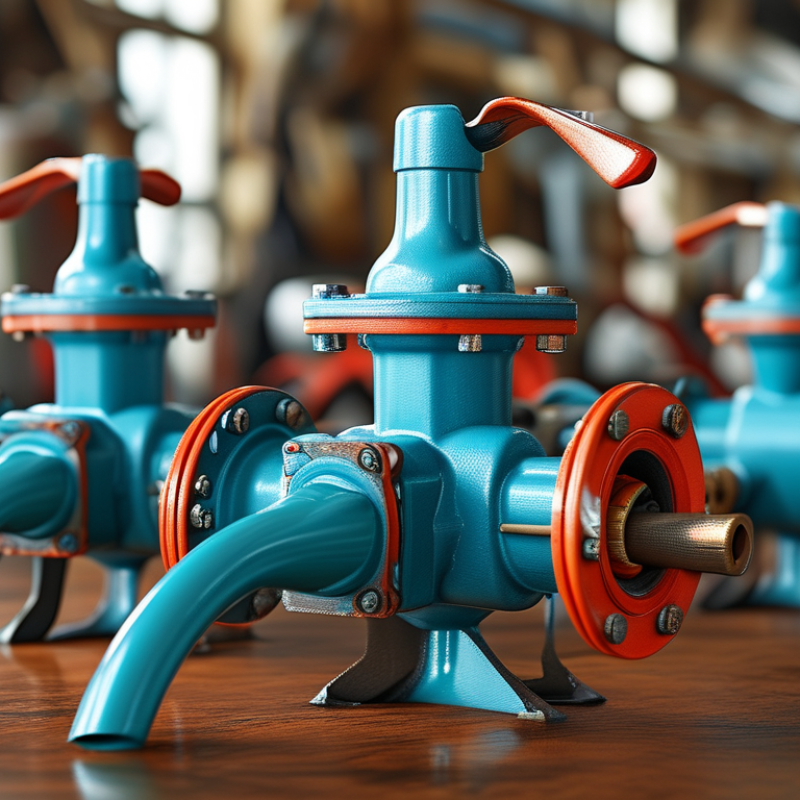
Choosing the right condensate pump hose is crucial. These hoses handle water and contaminants. Selecting a quality hose ensures effective function.
Understanding the importance of condensate pump hoses starts with material choice. A durable hose resists wear and tear. It should withstand pressure and temperature fluctuations. Inadequate hoses can lead to leaks. Leaks cause damage and increase maintenance costs.
Maintenance practices are also a key factor. A well-installed hose prevents blockages. Regular inspections can reveal wear early. However, it's easy to overlook these checks. Neglecting them risks bigger issues down the line. Being proactive can save time and money in the long run.
Selecting the right condensate pump hose is crucial for efficiency and reliability. One must consider the material of the hose. Most hoses are made from rubber, PVC, or reinforced thermoplastics. These materials vary in durability and flexibility. For instance, rubber hoses can handle extreme temperatures but may crack over time. PVC hoses are lightweight but may not withstand high pressures as effectively.
Another factor is the hose diameter. It's vital that the diameter matches your pump's specifications. A too-large diameter can lead to inefficient water flow, while a too-small diameter may result in blockages. Always check the specifications of your system first. Additionally, consider the length of the hose. Longer hoses may lead to increased pressure loss. If you're unsure, measuring the distance and pressure requirements is advisable.
Lastly, compatibility with your pump is essential. Not all hoses fit all pumps. A mismatch may cause leaks, damage, or even system failure. Research the connections and fittings required for your specific pump. It can save you from future headaches. Choosing wisely can make a difference in your overall setup reliability and performance.
| Feature | Description | Importance | Common Materials |
|---|---|---|---|
| Length | The total length of the hose needed to connect pump to drain. | Ensures sufficient reach and installation flexibility. | PVC, Rubber |
| Diameter | The inside diameter of the hose which affects flow rate. | Affects the volume of condensate the pump can handle. | 1/2", 3/4", 1" |
| Operating Pressure | Maximum pressure the hose can withstand during operation. | Prevents hose rupture and ensures safety during use. | High-pressure PVC, Reinforced rubber |
| Temperature Resistance | Hose's ability to withstand high temperatures of condensate. | Prevents degradation and maintains performance over time. | EPDM, Silicone |
| Flexibility | Ease of bending and routing in tight spaces. | Facilitates installation in complex areas without kinks. | Rubber, TPU |
When selecting a condensate pump hose, material choice is crucial. Various materials offer distinct benefits and drawbacks. Rubber hoses are flexible and resistant to various chemicals. They can handle temperature changes well, making them versatile for different environments. However, their durability may weaken under direct sunlight.
On the other hand, PVC hoses are lightweight and easy to handle. They often come in clear options, allowing for visual inspections. Yet, they can be less resilient in extreme temperatures. Over time, high heat can cause them to crack. Consider these factors based on your specific situation. Reflect on your long-term needs. Will the hose face harsh weather conditions? Do you require frequent replacements?
Selecting the right material influences performance and longevity. It’s not a simple decision. Analyze your working environment carefully. Make informed choices to avoid unforeseen issues later. Quality materials not only enhance safety but also improve efficiency.
Selecting the correct condensate pump hose is crucial for system efficiency. Proper sizing ensures that the pump can manage the flow rate without straining. A hose that is too narrow may cause clogs and overheating. On the other hand, an oversized hose can lead to inefficient operation. It’s essential to evaluate your system's requirements carefully.
Consider the material of the hose as well. Flexible options like PVC and rubber can handle condensate effectively. However, not all materials perform equally under different conditions. Factors such as temperature and pressure play significant roles. It might seem straightforward, but mistakes in material choice can lead to premature wear and system failures.
Remember to check the hose length as well. A longer hose can decrease efficiency due to frictional losses. Make sure to account for bends and turns, which can also affect flow. Ultimately, understanding your system's needs is vital. Avoid rushing into the decision. Take your time to evaluate the options thoroughly. This attention to detail can lead to a more reliable and efficient setup.
Taking care of your condensate pump hose is crucial for its longevity. Regularly inspect the hose for cracks or wear. Small leaks can lead to bigger issues later. Keep the hose clean to prevent blockages. A clean hose ensures efficient operation.
Consider the surrounding environment. Heat or cold can affect the hose material. Choose hoses rated for your specific conditions. Proper installation also plays a role. Ensure there is no excessive bending or kinking, as this can weaken the hose over time and lead to failure.
Lastly, replace the hose if you notice any significant wear. Waiting too long can result in costly damages. Document any maintenance performed. This practice can help track the hose's history and plan future replacements. Maintaining awareness can lead to better performance and safety.
„Thanks to the LUVIR technology, the solder resist process could be switched directly from the previously used mask exposure to direct exposure. As an outstanding digital solution on the market, this technology has been able to demonstrate fast process times and superior quality on our certified conventional ink in production. This allowed us to fully digitize the solder mask process at low cost – without process or ink adjustments. An excellent benefit to our production in Rot am See.“
Ralf Göhringer (Head of Production WE Rot am See)
I would definitely recommend the Limata machine and team for a future company purchase
Michael Greenaway
Compunetics Inc.
“The Limata ldi has been amazing!! Best thing we did was buy this machine”
Richard Brady
GM
Circuitlabs
“Since 2019, we have been running the Limata X1000 LDI system (including LUVIR for solder mask imaging) in daily production as an addition to our current process with film. The machine was capable of properly exposing Taiyo PSR-4000 BN (DI) solder mask types on normal to high-copper boards using a new and unique direct imaging process. The machine operating interface is very user friendly which allowed for a quick technical training curve. The pre-registration processing reduced several seconds of production time at every print. Limata support and service staff is incomparable. They supported our team every step of the way at basically any time of the day or night, with literally, an immediate response time, customizing the software interface to best fit our Operations and needs.
We have exposed more than 8,000 prints since end of October, on various solder mask colors and some resist film panels. Limata, has proven to be very capable and innovative. They are a strong contender in the industry.
We have very much enjoyed this project, and working with the team!
Thank you Limata for the continued support and being a part of our growth.”
Bill Sezate
Vice President, GM
Summit Interconnect
As a replacement to our current contact exposure process with film, the LIMATA X2000 system including LUVIR-Technology was capable of properly exposing non-LDI solder mask types using a direct imaging process. The machine offers cutting edge software with a very intuitive operating interface which allowed for quick technician training curve. The dual drawer system combined with pre-registration processing reduced several seconds of production time at every machine cycle. Limata support and service staff is world class. They added software patches to keep production running at shortest possible response times, customized the software interface to best fit our in-house Operations system, and even wrote a step-by-step machine processing manual. As a result of the project, we have exposed more than 16,000 times on various product types and solder mask brands/colors. Limata, in a very short timeframe as a company, has definitely shown they are truly innovative and will be challenging the industry of direct imaging for the top spot.
Kevin Beattie
Process Engineer
TTM Technologies
Forest Grove Division
