Choosing the right Forklift Cylinder is crucial for efficiency and safety. A forklift cylinder plays a significant role in the overall functionality of your machinery. Selecting the correct one can greatly impact your operations.
It's essential to consider your specific needs when evaluating forklift cylinders. Factors like load capacity, operating environment, and maintenance requirements can influence your decision. Understanding the features of different cylinders helps ensure that you make an informed choice.
A poor selection can lead to inefficiencies. It might result in excessive downtime and increased operational costs. Therefore, take the time to evaluate various options. Consult experts if necessary. Their insight can be invaluable in helping you find the best forklift cylinder tailored to your needs.
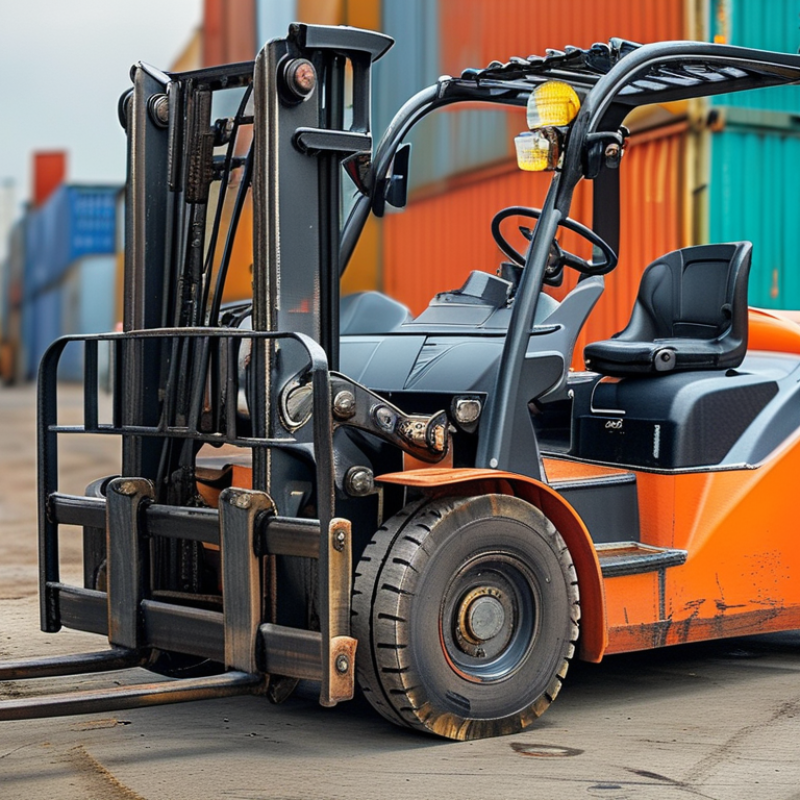
When selecting a forklift cylinder, understanding the different types available is crucial. There are primarily two types of cylinders: lift cylinders and tilt cylinders. Lift cylinders are responsible for raising and lowering the load. They can vary significantly in capacity and design. Tilt cylinders allow the operator to tilt the forks forward or backward. This movement aids in better load stability and handling.
According to a report from the Forklift Manufacturers Association, the global forklift cylinder market is projected to reach $1.5 billion by 2025. This growth emphasizes the importance of quality and compatibility in choosing cylinders. Inappropriate cylinder selection can lead to operational inefficiencies and increased maintenance costs. Many operators overlook the necessity for cylinder durability, especially in demanding environments.
Consider the weight capacity and height requirements of your operations. A mismatch can compromise safety and efficiency. For instance, a lift cylinder with an inadequate rating may fail under heavy loads. This not only risks equipment damage but also jeopardizes operator safety. Each cylinder's specifications should align with your specific operational needs. Balancing precision and strength is key to successful forklift operation.
When selecting a forklift cylinder, understanding your forklift’s specifications is crucial. Each model has different requirements for lift capacity, weight distribution, and hydraulic system compatibility. Measure the existing cylinder’s dimensions. This will help ensure a proper fit. Assess the type of material your operations require; some might need robust cylinders for heavy loads.
Consider the working environment as well. Is it indoors or outdoors? Will your forklift frequently navigate tight spaces? These factors influence the cylinder size and type you need. Pay attention to the specifications provided in the forklift’s manual. This information is invaluable for making an informed choice.
Don't hesitate to consult with experts if you feel uncertain. It's important to cross-check your findings. An oversight could impact your operational efficiency. Reflection on past experiences can guide this decision-making process. Need to reassess your operation needs over time; what worked before may not suit future demands. Be proactive in aligning your equipment with changing circumstances.
Choosing the right forklift cylinder requires careful consideration of load capacity and performance needs. The load capacity of a forklift cylinder directly influences the safety and effectiveness of operations. According to industry reports, cylinders are rated based on their maximum load-bearing abilities, which can range from 1,500 to over 50,000 pounds. It’s crucial to match the cylinder's capacity with your specific lifting requirements to avoid dangerous overload situations.
Performance also relates to the type of operation. For instance, whether you need high speed or precision lifting can influence cylinder selection. A recent survey indicated that over 30% of accidents in forklift operations are linked to underestimating load capacities. This highlights the importance of proper evaluation during the selection process.
Additionally, some businesses overlook the maintenance aspects that affect performance. A cylinder's efficiency can suffer if not regularly inspected. Ignoring maintenance can lead to increased downtime and operational costs. Investing in the right forklift cylinder means considering both immediate and long-term performance factors, and understanding how every decision impacts your operation's safety and productivity.
This chart compares the load capacities of different forklift cylinders suitable for various operational needs.
When selecting a forklift cylinder, understanding environmental and operational conditions is critical. For instance, temperature extremes can affect performance. According to industry data, over 30% of equipment failures stem from inappropriate environmental applications. If a forklift operates in freezing temperatures, it may struggle with hydraulic fluid viscosity. This can lead to slower operation and potential damage.
Operational conditions also play a significant role. For example, dust or moisture can impact cylinder longevity. Research indicates that working environments with high contamination levels can reduce cylinder life by nearly 50%. Users must consider the specific conditions surrounding their operations. Regular maintenance becomes essential in these scenarios. Ignoring these factors may lead to downtime and increased operational costs.
When choosing the right cylinder, it's essential to reflect on your unique needs. Assess the environment: indoor versus outdoor, wet versus dry. Each setting has distinct requirements. Customizing your selection based on these variables can enhance performance and safety. Opting for a one-size-fits-all solution often leads to impractical outcomes. Choose wisely; your operational success depends on it.
Choosing the right forklift cylinder requires attention to maintenance and service factors. Regular inspections are crucial. Check for any signs of wear or fluid leaks. These can indicate deeper issues. Proper maintenance prolongs the cylinder's lifespan.
You should also consider lubrication. A well-lubricated cylinder operates more efficiently. Skipping this step can lead to more significant problems. Ensure the seals and fittings are in good condition too. Damaged seals can cause failures, impacting your operations.
It’s essential to document all maintenance activities. Keep track of service history and repairs. This information can help identify patterns. Regular servicing saves costs in the long run. Assessing your equipment's condition helps you make informed decisions about replacement or upgrades.
| Cylinder Type | Load Capacity (lbs) | Maintenance Frequency (hrs) | Service Life (years) | Usage Recommendations |
|---|---|---|---|---|
| Standard Cylinder | 3000 | 100 | 5 | General Warehouse Use |
| Heavy-Duty Cylinder | 6000 | 150 | 7 | Construction and Heavy Lifting |
| Compact Cylinder | 2500 | 80 | 4 | Narrow Aisle Operations |
| Reinforced Cylinder | 5000 | 120 | 6 | Heavy-Duty Warehouse Work |
„Thanks to the LUVIR technology, the solder resist process could be switched directly from the previously used mask exposure to direct exposure. As an outstanding digital solution on the market, this technology has been able to demonstrate fast process times and superior quality on our certified conventional ink in production. This allowed us to fully digitize the solder mask process at low cost – without process or ink adjustments. An excellent benefit to our production in Rot am See.“
Ralf Göhringer (Head of Production WE Rot am See)
I would definitely recommend the Limata machine and team for a future company purchase
Michael Greenaway
Compunetics Inc.
“The Limata ldi has been amazing!! Best thing we did was buy this machine”
Richard Brady
GM
Circuitlabs
“Since 2019, we have been running the Limata X1000 LDI system (including LUVIR for solder mask imaging) in daily production as an addition to our current process with film. The machine was capable of properly exposing Taiyo PSR-4000 BN (DI) solder mask types on normal to high-copper boards using a new and unique direct imaging process. The machine operating interface is very user friendly which allowed for a quick technical training curve. The pre-registration processing reduced several seconds of production time at every print. Limata support and service staff is incomparable. They supported our team every step of the way at basically any time of the day or night, with literally, an immediate response time, customizing the software interface to best fit our Operations and needs.
We have exposed more than 8,000 prints since end of October, on various solder mask colors and some resist film panels. Limata, has proven to be very capable and innovative. They are a strong contender in the industry.
We have very much enjoyed this project, and working with the team!
Thank you Limata for the continued support and being a part of our growth.”
Bill Sezate
Vice President, GM
Summit Interconnect
As a replacement to our current contact exposure process with film, the LIMATA X2000 system including LUVIR-Technology was capable of properly exposing non-LDI solder mask types using a direct imaging process. The machine offers cutting edge software with a very intuitive operating interface which allowed for quick technician training curve. The dual drawer system combined with pre-registration processing reduced several seconds of production time at every machine cycle. Limata support and service staff is world class. They added software patches to keep production running at shortest possible response times, customized the software interface to best fit our in-house Operations system, and even wrote a step-by-step machine processing manual. As a result of the project, we have exposed more than 16,000 times on various product types and solder mask brands/colors. Limata, in a very short timeframe as a company, has definitely shown they are truly innovative and will be challenging the industry of direct imaging for the top spot.
Kevin Beattie
Process Engineer
TTM Technologies
Forest Grove Division
