Selecting the right Load Break Switch is crucial for effective electrical management. These devices enable safe disconnection, playing a vital role in power systems. Whether for industrial or commercial purposes, the choice can significantly influence system reliability.
Understanding your specific needs is essential when evaluating Load Break Switch options. Various factors, such as voltage ratings, current capacity, and environmental conditions, come into play. A switch that performs excellently in one setting may fall short in another. The challenge lies in making an informed decision based on these variables.
It’s important to reflect on your experiences, as they can shape your understanding of Load Break Switches. Have you faced issues with previous switches? Learning from these mistakes can help you choose wisely in the future. Being aware of potential pitfalls can guide you toward a more reliable and efficient power management solution.
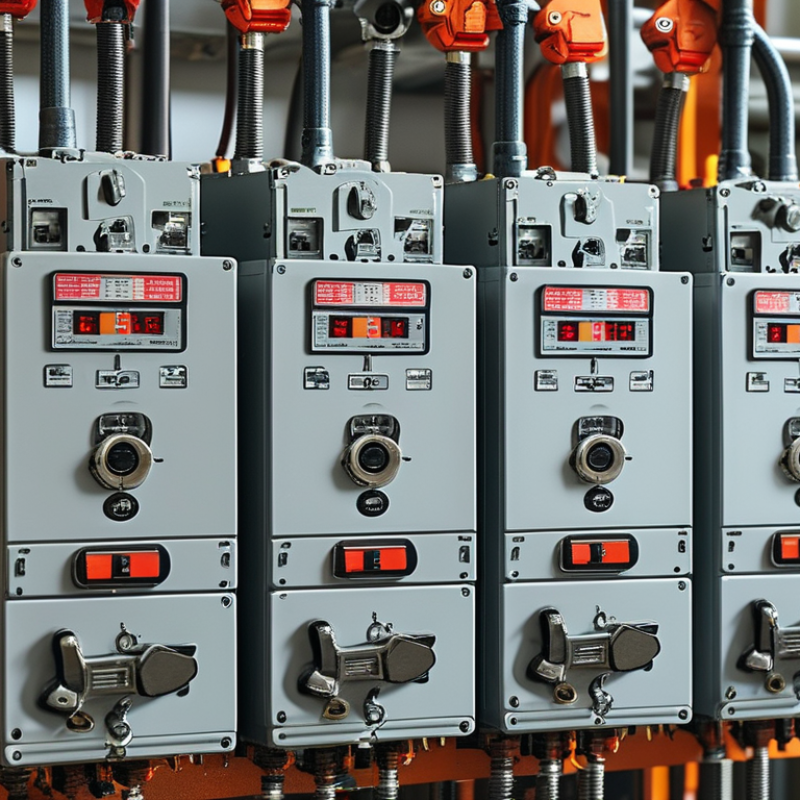
Load break switches play a crucial role in electrical systems. These devices allow safe isolation of electrical circuits. They are essential for maintenance and repair tasks. Understanding their function is key for effective application. A load break switch can interrupt a live current. This feature is vital during any electrical service.
Selecting the right load break switch depends on various factors. The voltage rating is critical. It must match the system's requirements. Current rating also matters. Choosing one with sufficient capacity ensures safety and reliability. Physical size is another consideration. It should fit within your existing system layout.
While load break switches are helpful, mistakes can occur. Some users overlook environmental conditions. A switch suited for outdoor use is needed if exposed to elements. Others may not consider future expansion. Ensuring flexibility can prevent costly upgrades later. Accurately assessing needs can save time and resources. Balancing these factors leads to informed decisions.
Selecting the right load break switch requires careful consideration of several factors. One key aspect is the voltage and current ratings. According to the IEEE standards, load break switches should match the system's specifications to ensure optimal performance. For instance, mismatched ratings can lead to premature failure or safety issues.
Another important factor is the installation environment. Load break switches operate differently in varying conditions. For instance, outdoor switches must be weather-resistant and capable of withstanding temperature fluctuations. Reports indicate that improper environmental ratings can reduce the lifespan of these devices by up to 30%.
Additionally, ease of operation and maintenance plays a crucial role. Users need a switch that is simple to operate and maintain. Complex mechanisms may complicate troubleshooting, especially in emergency situations. Effectiveness relies on user familiarity and accessibility. Many professionals recommend testing the switch periodically to ensure reliable operation. This proactive approach enhances safety and extends the product's life cycle.
When selecting a load break switch, understanding the types available and their applications is crucial. Load break switches generally fall into two main categories: outdoor and indoor switches. Outdoor switches are commonly utilized in distribution networks. They can withstand harsh environmental conditions and are equipped with high insulation levels. Indoor switches are typically used in substations or industrial plants. They provide reliability while conserving space.
In a recent industry report, it was noted that outdoor load break switches can enhance system reliability by up to 30%. They allow for safe maintenance without disrupting power supply. Conversely, indoor load break switches often feature compact designs suited for limited spaces. Their versatility makes them ideal for various applications, including renewable energy integration and urban infrastructure.
Users must also consider the voltage ratings and current capacities of these switches. According to data from electrical safety organizations, improper selection can lead to equipment failure. It is essential to evaluate the specific load requirements. While automatic operation can be beneficial, it may also introduce complexities. Reflecting on these details ensures the chosen load break switch aligns with operational needs.
When selecting a load break switch, understanding its technical specifications is crucial. These specifications directly affect performance, reliability, and safety in electrical systems. Key factors include voltage rating, current rating, and interrupting capacity. According to industry reports, 70% of electrical failures are linked to improper switch selection.
Voltage rating is essential. It defines the maximum voltage the switch can handle without failure. Many systems operate within specific voltage thresholds. Choosing a switch with a higher rating than needed can provide a safety margin. However, excessive ratings may lead to increased costs.
Current rating is equally important. It specifies the maximum continuous current the switch can handle. Selecting a switch with a current rating lower than the system’s demand can lead to overheating. Over time, this can cause failures that would require costly repairs.
Tip: Regularly assess the load requirements of your system. Ensure that your switches match evolving electrical demands.
Interrupting capacity describes the switch’s ability to break the circuit under load. An inadequate capacity could result in catastrophic failures during a fault condition. The IEEE recommends considering the worst-case scenario when evaluating interrupting ratings.
Tip: Consult technical documents and peer-reviewed studies. They provide valuable insights into industry standards and best practices.
Always prioritize specifications based on your specific application. Some switches may excel in one area but fall short in another. Balance your needs to enhance system reliability and performance.
| Specification | Description | Importance Level |
|---|---|---|
| Voltage Rating | The maximum voltage the switch can handle. | High |
| Current Rating | The maximum current load the switch can carry. | High |
| Operating Mechanism | Manual, automated, or remote operation capabilities. | Medium |
| Installation Type | Indoor, outdoor, or substation type installation. | High |
| Temperature Rating | Operating temperature range for the switch. | Medium |
| Insulation Resistance | Resistance level to prevent leakage current. | High |
| Arc Quenching Medium | Air, oil, or vacuum medium to extinguish arcs. | Medium |
When it comes to installing load break switches, proper practices are essential for safety and efficiency. Begin by ensuring the switch's compatibility with your existing system. Factors like voltage ratings and interrupting capacity play a crucial role. Incorrect specifications can lead to malfunction or hazards.
Regular maintenance is equally important. Inspect the switches periodically for signs of wear or corrosion. Keep the area around the switch clear of debris. This simple practice can prevent accidents and prolong the life of the device.
Tips: Always follow manufacturer guidelines for installation. Using appropriate tools will ensure precision. Furthermore, understanding local electrical codes is crucial for compliance. Remember, a well-installed switch contributes to operational safety. Regular upkeep may seem tedious, yet it’s vital. Reflect on past experiences; improper maintenance can lead to significant issues.
„Thanks to the LUVIR technology, the solder resist process could be switched directly from the previously used mask exposure to direct exposure. As an outstanding digital solution on the market, this technology has been able to demonstrate fast process times and superior quality on our certified conventional ink in production. This allowed us to fully digitize the solder mask process at low cost – without process or ink adjustments. An excellent benefit to our production in Rot am See.“
Ralf Göhringer (Head of Production WE Rot am See)
I would definitely recommend the Limata machine and team for a future company purchase
Michael Greenaway
Compunetics Inc.
“The Limata ldi has been amazing!! Best thing we did was buy this machine”
Richard Brady
GM
Circuitlabs
“Since 2019, we have been running the Limata X1000 LDI system (including LUVIR for solder mask imaging) in daily production as an addition to our current process with film. The machine was capable of properly exposing Taiyo PSR-4000 BN (DI) solder mask types on normal to high-copper boards using a new and unique direct imaging process. The machine operating interface is very user friendly which allowed for a quick technical training curve. The pre-registration processing reduced several seconds of production time at every print. Limata support and service staff is incomparable. They supported our team every step of the way at basically any time of the day or night, with literally, an immediate response time, customizing the software interface to best fit our Operations and needs.
We have exposed more than 8,000 prints since end of October, on various solder mask colors and some resist film panels. Limata, has proven to be very capable and innovative. They are a strong contender in the industry.
We have very much enjoyed this project, and working with the team!
Thank you Limata for the continued support and being a part of our growth.”
Bill Sezate
Vice President, GM
Summit Interconnect
As a replacement to our current contact exposure process with film, the LIMATA X2000 system including LUVIR-Technology was capable of properly exposing non-LDI solder mask types using a direct imaging process. The machine offers cutting edge software with a very intuitive operating interface which allowed for quick technician training curve. The dual drawer system combined with pre-registration processing reduced several seconds of production time at every machine cycle. Limata support and service staff is world class. They added software patches to keep production running at shortest possible response times, customized the software interface to best fit our in-house Operations system, and even wrote a step-by-step machine processing manual. As a result of the project, we have exposed more than 16,000 times on various product types and solder mask brands/colors. Limata, in a very short timeframe as a company, has definitely shown they are truly innovative and will be challenging the industry of direct imaging for the top spot.
Kevin Beattie
Process Engineer
TTM Technologies
Forest Grove Division
