Choosing the right Rotary Seal is crucial for many industries. These seals play a vital role in preventing leaks and protecting equipment. According to a recent industry report by the Seal Manufacturers Association, improper seal selection can lead to a 30% increase in maintenance costs. Therefore, understanding your needs is essential.
Expert John Mitchell, a leading authority in sealing technologies, emphasizes, "Choosing the right seal can save maintenance costs and enhance system longevity." His insights highlight the importance of knowing the operating conditions and media involved.
Rotary Seals come in various materials and designs, suitable for diverse applications. This diversity can complicate the decision-making process. Many users struggle to identify the best fit for their specific requirements. Taking the time to analyze each factor will yield better performance and reliability in the long run.
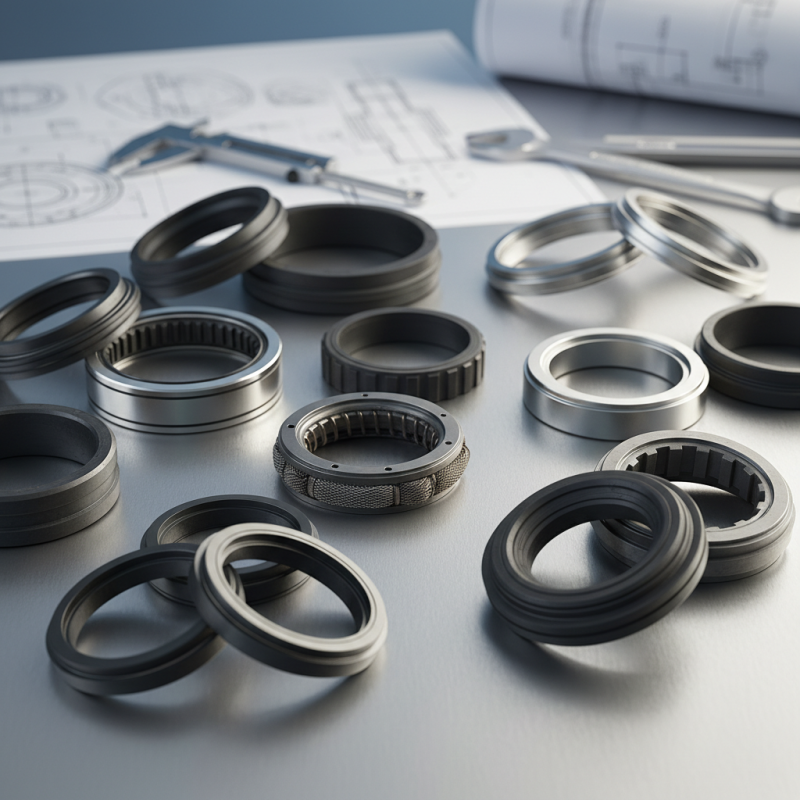
Choosing the right rotary seal is critical for various industries. Understanding different types and their applications can help make informed choices. Rotary seals are essential components, preventing leakage and ensuring optimal performance. There are several types, including lip seals, face seals, and hydraulic seals. Each serves unique purposes based on factors like pressure and environment.
Tips: Always consider the operating conditions. Temperature and pressure can affect seal performance significantly. Pay attention to the materials used. Some materials resist heat better than others.
In applications like pumps and motors, selecting the right seal is vital. Inadequate seals can lead to breakdowns or leaks. Evaluate the specific needs of your machinery. Sometimes, recommendations may not fit perfectly. It’s essential to test and adapt your choices based on real-world performance.
Tips: Consult with industry experts when unsure. Their experience can guide you toward the best options. Keep records of different seal performances for future reference. This data can provide valuable insights over time.
| Seal Type | Material | Temperature Range (°C) | Pressure Rating (bar) | Applications |
|---|---|---|---|---|
| Fluid Power Seal | Nitrile Rubber | -30 to 100 | 10 | Hydraulic Systems |
| Rotary Shaft Seal | Fluoroelastomer | -20 to 200 | 20 | Automotive Applications |
| Mechanical Seal | Carbon/ceramic | -10 to 150 | 25 | Pumps and Compressors |
| Lip Seal | Polyurethane | -40 to 80 | 5 | Agricultural Equipment |
| O-Ring Seal | Silicone | -60 to 230 | 2 | Food and Pharmaceutical Industries |
When selecting a rotary seal, material and design features play crucial roles. Common materials include elastomers, PTFE, and metals, each offering unique benefits. Elastomers provide flexibility and resistance to various chemicals, making them suitable for many applications. PTFE seals, known for their excellent chemical resistance, are ideal for harsh environments.
Design features such as lip configuration, sealing pressure, and temperature ratings are equally important. A study by the Fluid Power Journal indicates that improper seal design can lead to a 30% decrease in system efficiency. Seal lip shape affects fluid retention and performance under pressure. Engineers must understand the specific requirements of their application to ensure optimal seal performance.
Environmental factors also influence choices. For example, applications exposed to extreme temperatures or corrosive substances require special attention. Experts suggest regular reviews of seal performance to identify potential weaknesses. Continuous monitoring can prevent costly failures. Understanding these key factors will aid in selecting the appropriate rotary seal tailored to unique industrial needs.
When selecting a rotary seal, understanding performance metrics is crucial. Pressure, temperature, and speed ratings directly impact the seal's effectiveness. For instance, many seals perform well at pressures up to 15,000 psi. Yet, not all applications demand such high ratings. Some systems may operate efficiently at lower pressures, making high-performance seals unnecessary.
The temperature range is another vital factor. Typical rubber seals function optimally between -40°F and 250°F. In contrast, advanced materials can handle temperatures up to 350°F or more. Choosing a seal that operates comfortably within your application's temperature limits is essential for longevity and performance.
**Tips:** Always review the specifications of your operating environment. Composite materials often provide better flexibility under pressure and temperature fluctuations. Ensure compatibility with the fluids in use; some materials break down rapidly when exposed to certain chemicals. Regular inspection of seals can reveal wear that may impact functionality. When in doubt, consult with a specialist to avoid costly mistakes. Remember that sometimes, a more robust option is not always necessary. Assess your specific needs before purchasing.
Rotary seals are crucial for maintaining equipment efficiency. However, they can fail for several reasons. Common causes include improper installation, contamination, and material degradation. Misalignment during installation can lead to uneven pressure. This pressure difference may cause leaks or premature wear. Contamination from dust or fluid can damage seals. Regular maintenance can help identify these issues early.
Preventing seal failures requires a proactive approach. Monitor operating conditions regularly. Check the temperature and pressure levels. Choosing the right seal material is essential for prolonged life. For example, different environments expose seals to unique challenges. Consider factors like chemical exposure and motion speed. A seal that performs well in one setting might fail in another.
Training personnel on proper installation techniques is vital. Misunderstandings about seal function often lead to mistakes. Encourage ongoing education and use checklists. This reduces errors and promotes best practices. Reflect on past failures to improve future decisions. Understanding these challenges creates a more reliable machine operation. Preventive measures can save time and costs in the long run.
When selecting a rotary seal, understanding industry standards and regulations is essential. These guidelines ensure product safety and functionality. Each sector may have different requirements. For example, seals in food processing must adhere to strict hygiene standards. In contrast, seals used in aerospace applications focus on durability and temperature resistance.
Manufacturers often follow standards set by organizations like ISO and ASTM. Compliance with these standards guarantees reliability and performance. However, not all products meet these regulations. It’s crucial to verify certifications and test results. Some companies may lack transparency, leading to potential risks.
Choosing the right rotary seal also requires considering environmental factors. Seals exposed to extreme temperatures or abrasive materials need special attention. Not all materials withstand harsh conditions. This complexity makes it vital to assess your specific needs. If unsure, consulting an expert can provide invaluable insights. Analyzing your application thoroughly can prevent costly mistakes in the long run.
This chart illustrates the common applications of various rotary seal materials, highlighting the prevalence of Nitrile and Fluoroelastomer in industrial usage, which are critical for choosing the right rotary seal based on specific needs and regulatory considerations.
„Thanks to the LUVIR technology, the solder resist process could be switched directly from the previously used mask exposure to direct exposure. As an outstanding digital solution on the market, this technology has been able to demonstrate fast process times and superior quality on our certified conventional ink in production. This allowed us to fully digitize the solder mask process at low cost – without process or ink adjustments. An excellent benefit to our production in Rot am See.“
Ralf Göhringer (Head of Production WE Rot am See)
I would definitely recommend the Limata machine and team for a future company purchase
Michael Greenaway
Compunetics Inc.
“The Limata ldi has been amazing!! Best thing we did was buy this machine”
Richard Brady
GM
Circuitlabs
“Since 2019, we have been running the Limata X1000 LDI system (including LUVIR for solder mask imaging) in daily production as an addition to our current process with film. The machine was capable of properly exposing Taiyo PSR-4000 BN (DI) solder mask types on normal to high-copper boards using a new and unique direct imaging process. The machine operating interface is very user friendly which allowed for a quick technical training curve. The pre-registration processing reduced several seconds of production time at every print. Limata support and service staff is incomparable. They supported our team every step of the way at basically any time of the day or night, with literally, an immediate response time, customizing the software interface to best fit our Operations and needs.
We have exposed more than 8,000 prints since end of October, on various solder mask colors and some resist film panels. Limata, has proven to be very capable and innovative. They are a strong contender in the industry.
We have very much enjoyed this project, and working with the team!
Thank you Limata for the continued support and being a part of our growth.”
Bill Sezate
Vice President, GM
Summit Interconnect
As a replacement to our current contact exposure process with film, the LIMATA X2000 system including LUVIR-Technology was capable of properly exposing non-LDI solder mask types using a direct imaging process. The machine offers cutting edge software with a very intuitive operating interface which allowed for quick technician training curve. The dual drawer system combined with pre-registration processing reduced several seconds of production time at every machine cycle. Limata support and service staff is world class. They added software patches to keep production running at shortest possible response times, customized the software interface to best fit our in-house Operations system, and even wrote a step-by-step machine processing manual. As a result of the project, we have exposed more than 16,000 times on various product types and solder mask brands/colors. Limata, in a very short timeframe as a company, has definitely shown they are truly innovative and will be challenging the industry of direct imaging for the top spot.
Kevin Beattie
Process Engineer
TTM Technologies
Forest Grove Division
