
How to Choose the Right Sealing Rings in 2026?
Evaluating Standards, Maintenance, and Service Life
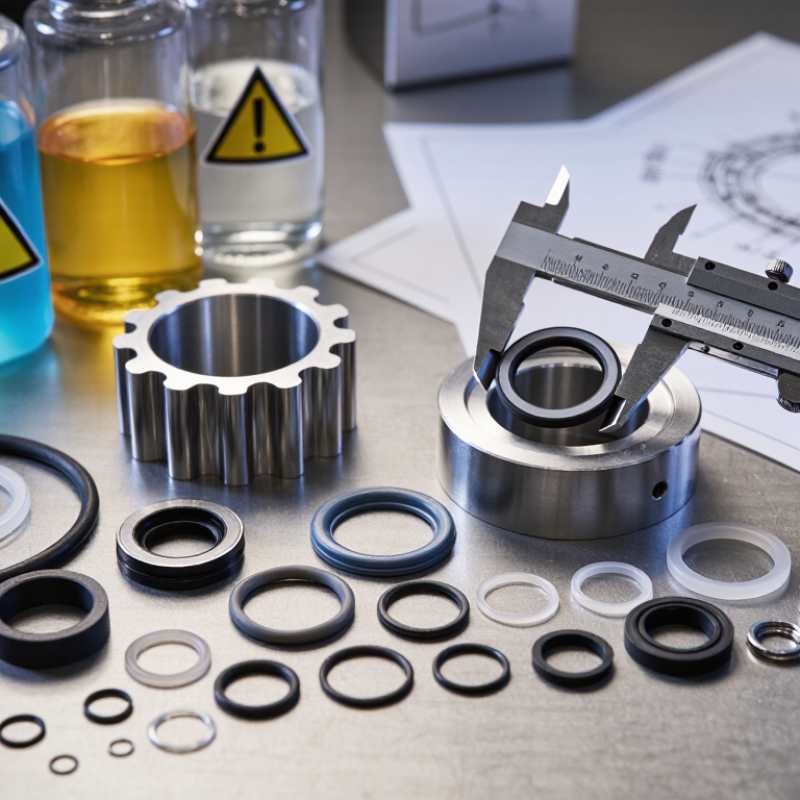
A reliable choice starts with the operating conditions, not just the ring’s size. Check the applicable dimensional standard, such as ISO 3601 for O-rings, then confirm the material suits the fluid, temperature, pressure, and motion. A ring used in a warm pump may behave very differently from one sealing a cold, static joint. Small details matter. Surface finish and groove dimensions can affect sealing as much as the ring itself.
Maintenance records help turn a specification into a practical decision. Note leaks, swelling, flattened sections, and the conditions present when wear appears. During inspection, look for cuts or hardening, but avoid stretching a ring to check its recovery; that can distort the evidence. Replace damaged rings and clean the groove before fitting. A clean-looking seal is not always healthy.
Service life has no universal number. Heat cycles, pressure changes, chemical exposure, installation quality, and downtime all influence it. Set inspection intervals using operating data, then revise them when real results disagree with expectations. It is tempting to treat a standard as a guarantee. It is not. A qualified supplier or materials specialist can help verify compatibility, especially when conditions change or failure carries a high cost.