When it comes to drilling operations, the choice of a shale shaker screen plays a crucial role. Selecting the right screen can significantly affect efficiency and performance. A good shale shaker screen can enhance separation, reduce costs, and ensure better quality drilling fluid.
Understanding your specific needs is vital. Different applications require different types of screens. Factors such as mesh size, material, and screen configuration significantly influence performance. Not every screen works well for every job. You may find that trial and error leads to unexpected results.
In this exploration, we will delve into essential considerations for choosing your shale shaker screen. Awareness of your project requirements, along with a detailed evaluation of available options, is key. Often, users overlook critical features that could make or break their operations. Taking time to reflect on these aspects might lead to better choices. Ultimately, the right shale shaker screen can make all the difference in achieving drilling success.
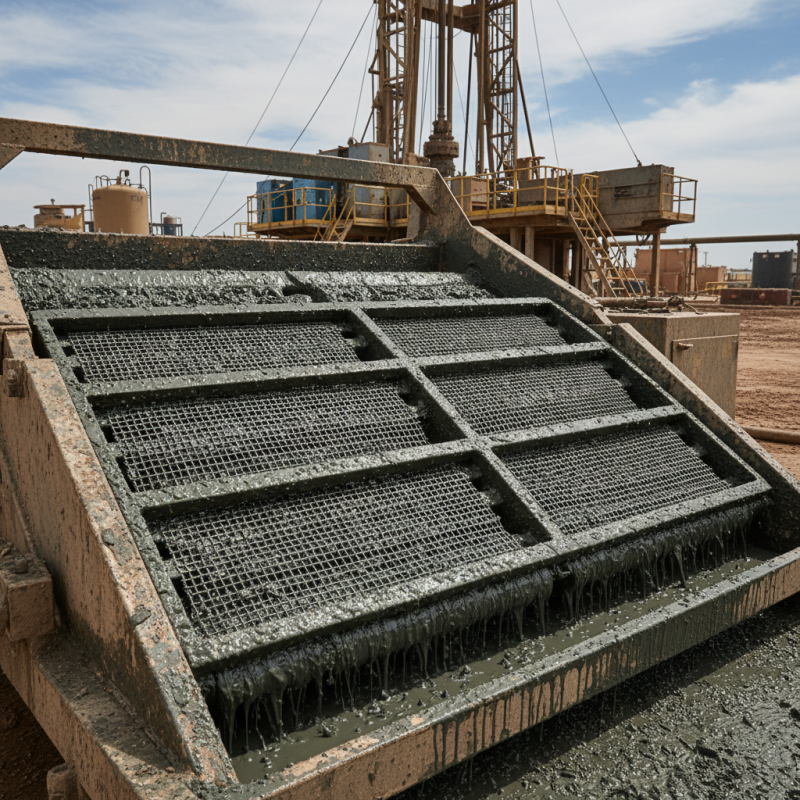
Shale shaker screens play a critical role in drilling operations. They are essential for separating drilling fluid from cuttings. This process ensures that drills operate efficiently. When digging deep into the earth, having clean fluid is vital for performance. Dirty or contaminated fluid can lead to costly issues.
Choosing the right screen involves understanding your specific needs. Consider the material of the screen. Different materials offer varying levels of durability and filtration. Additionally, the mesh size is crucial. A finer mesh traps smaller particles but can slow fluid flow. A coarser mesh increases flow rates but allows more debris through.
It's common for operators to overlook screen maintenance. Neglect can cause reduced efficiency. A faulty screen can lead to drilling complications and delays. Regular checks and replacements are necessary. Not every choice is clear-cut. Sometimes, trial and error is needed to find the perfect fit.
Choosing the right shale shaker screen requires careful consideration of several factors. Start by assessing the type of drilling fluid you will use. Different fluids have varying viscosities and properties. Your screen's mesh size should match your fluid's characteristics. Narrower mesh captures smaller particles, while wider mesh allows for quicker flow.
Tip: Always test screens in controlled conditions before deploying them in the field. This helps identify potential issues early.
Consider the screen's material. Durable materials extend the life of your screens. However, some materials might not perform well in specific conditions. Evaluate the environment where the screens will operate. High temperatures or aggressive fluids can affect their performance.
Tip: Keep track of screen performance data over time. Regular analysis helps in making informed decisions for future purchases.
Lastly, think about maintenance. Some screens are easier to clean and maintain than others. Difficult maintenance can lead to downtime and increased costs. Make sure you understand the upkeep required for the screens you choose. Balancing performance and maintenance needs is crucial.
When choosing a shale shaker screen, understanding the different types is crucial. There are generally three main types: wire mesh, polyurethane, and composite screens. Wire mesh screens are commonly used for their durability. They effectively filter large particles but may not capture finer ones. Polyurethane screens offer flexibility and resistance to wear. They can handle a range of particle sizes but may need extra care during installation. Composite screens provide a mix of strengths from both types. However, they can be more expensive.
The application of each type of screen varies widely. For example, in oil and gas drilling, a fine mesh is essential for separating drilling mud. Meanwhile, in mining, more robust options are needed to deal with larger debris. Often, operators face challenges matching the screen type to their specific conditions. Improper choices lead to increased downtime and wasted resources. It is critical to consider the material, size, and typical load of particles. Evaluating your operational environment and meshing might seem simple, but the implications are significant. So, take time to reflect on your needs before making a decision.
Choosing the right mesh size for shale shaker screens significantly impacts performance. The mesh size determines particle separation efficiency. Screens with finer mesh sizes can capture smaller particles. However, they may also lead to higher pressure drops in the system. This can reduce throughput and increase operational costs.
According to the Society of Petroleum Engineers, the optimal mesh size often varies based on the formation and fluid properties. For instance, choosing a 20-mesh screen might suffice for coarse materials. But, for fine clay cuttings, a 50-mesh screen could be more effective. Many operators face a dilemma. Striking a balance between particle capture and flow efficiency can be tricky.
Some reports indicate that using the wrong mesh can lead to suboptimal drilling performance. In extreme cases, it can even result in equipment failure. Producers often overlook these issues. Continuous evaluation of mesh size relative to the specific drilling environment is essential. Monitoring performance metrics is key. Adjusting screen selection based on real-time feedback can yield better results.
Maintaining shale shaker screens is crucial for optimal performance in drilling operations. Studies indicate that screens can last up to 50% longer with proper care. Regular inspections should be a routine practice. Check for wear and tear, as small holes can cause significant efficiency losses.
Cleaning is essential. Dirt and debris accumulate quickly, affecting screen performance. High-pressure washing can help, but make sure not to damage the mesh. Avoid using harsh chemicals. Frequent cleaning can prevent blockage, extending the screen's life.
Proper installation matters too. Misalignment can lead to premature failure. Always follow manufacturer guidelines. Training staff on correct procedures ensures screens are handled with care. Remember, even minor adjustments in installation can yield major differences in longevity and effectiveness.
„Thanks to the LUVIR technology, the solder resist process could be switched directly from the previously used mask exposure to direct exposure. As an outstanding digital solution on the market, this technology has been able to demonstrate fast process times and superior quality on our certified conventional ink in production. This allowed us to fully digitize the solder mask process at low cost – without process or ink adjustments. An excellent benefit to our production in Rot am See.“
Ralf Göhringer (Head of Production WE Rot am See)
I would definitely recommend the Limata machine and team for a future company purchase
Michael Greenaway
Compunetics Inc.
“The Limata ldi has been amazing!! Best thing we did was buy this machine”
Richard Brady
GM
Circuitlabs
“Since 2019, we have been running the Limata X1000 LDI system (including LUVIR for solder mask imaging) in daily production as an addition to our current process with film. The machine was capable of properly exposing Taiyo PSR-4000 BN (DI) solder mask types on normal to high-copper boards using a new and unique direct imaging process. The machine operating interface is very user friendly which allowed for a quick technical training curve. The pre-registration processing reduced several seconds of production time at every print. Limata support and service staff is incomparable. They supported our team every step of the way at basically any time of the day or night, with literally, an immediate response time, customizing the software interface to best fit our Operations and needs.
We have exposed more than 8,000 prints since end of October, on various solder mask colors and some resist film panels. Limata, has proven to be very capable and innovative. They are a strong contender in the industry.
We have very much enjoyed this project, and working with the team!
Thank you Limata for the continued support and being a part of our growth.”
Bill Sezate
Vice President, GM
Summit Interconnect
As a replacement to our current contact exposure process with film, the LIMATA X2000 system including LUVIR-Technology was capable of properly exposing non-LDI solder mask types using a direct imaging process. The machine offers cutting edge software with a very intuitive operating interface which allowed for quick technician training curve. The dual drawer system combined with pre-registration processing reduced several seconds of production time at every machine cycle. Limata support and service staff is world class. They added software patches to keep production running at shortest possible response times, customized the software interface to best fit our in-house Operations system, and even wrote a step-by-step machine processing manual. As a result of the project, we have exposed more than 16,000 times on various product types and solder mask brands/colors. Limata, in a very short timeframe as a company, has definitely shown they are truly innovative and will be challenging the industry of direct imaging for the top spot.
Kevin Beattie
Process Engineer
TTM Technologies
Forest Grove Division
