Choosing the right Solar PV Connector can significantly influence your solar energy system's efficiency and longevity. With a myriad of options available, it's essential to understand your specific needs. Solar PV Connectors come in various types, each designed for particular applications and environments.
When selecting a connector, consider factors like compatibility and durability. For instance, some are better suited for harsh weather, while others excel in standard conditions. This choice often involves compromising between cost and quality. It's easy to overlook these details, which can lead to issues later on.
Navigating the world of Solar PV Connectors can be daunting. While many products claim to be top-tier, not all live up to their promises. Therefore, getting insights from industry experts can be invaluable. We need to ask ourselves: Are we prioritizing smart decisions over price? The right connector will enhance performance and reliability over time.
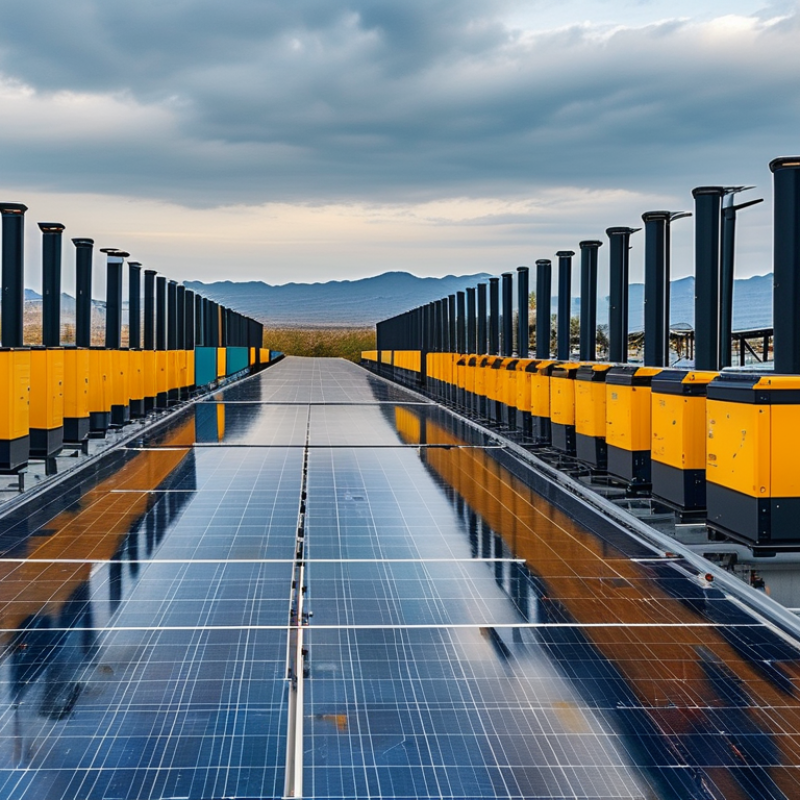
Solar PV connectors play a crucial role in the efficiency and safety of solar energy systems. They facilitate the connection between solar panels and inverters, making the transfer of generated electricity possible. According to the Solar Energy Industries Association (SEIA), connector reliability impacts system performance. Poor connections can lead to energy losses of up to 10%. These losses highlight the need for choosing the right connectors.
Understanding different types of connectors is essential. MC4 connectors, for example, are widely used due to their weatherproof design and high-temperature resilience. They can handle voltages up to 1,000 volts. Another option is the Amphenol H4 connector, which offers a compact design, ideal for space-constrained installations. However, installation errors are common, and improper handling can result in system failures. The International Electrotechnical Commission (IEC) recommends following strict guidelines during installation to avoid degradation over time.
Moreover, consider the environment where the connectors will be used. High humidity or corrosive conditions require connectors with enhanced sealing and materials. An industry report by Research and Markets suggests that Solar Connector technology will evolve rapidly, focusing on durability and performance. This indicates that constant learning and adaptation are necessary for optimal solar energy use.
Choosing the right solar PV connector is crucial for a successful solar energy system. There are several types available, with MC4 and Tyco connectors being the most common. MC4 connectors are widely used due to their ease of use and reliable weatherproof capabilities. They allow for quick connections and disconnections, making installation and maintenance simpler.
Tyco connectors, on the other hand, offer different advantages. They may support higher current loads and have a reputation for sturdiness. Some users report that they can be more challenging to install, requiring additional tools. When comparing these connectors, consider the specific needs of your solar setup.
There’s no one-size-fits-all solution. Each connector type has its pros and cons. The decision should reflect your project requirements and installation environment. Making an informed choice can prevent issues in the long run. Explore user reviews and consult with professionals when necessary.
When selecting solar PV connectors, several key specifications need attention. One crucial factor is the current rating. Connectors should match your system's maximum current to prevent overheating. Check the voltage rating as well. It must meet or exceed the voltage of your solar panels to ensure safety and efficiency.
Temperature tolerance is another important specification. Different environments can impact connector performance. Select connectors that can handle both high and low temperatures. Ensure they have a suitable IP rating, indicating resistance to dust and moisture. This is essential for outdoor installations.
Consider the ease of installation too. Some connectors are more user-friendly than others. A poorly fitted connector can lead to energy loss. Reflect on the long-term reliability of your choice. Investing in durable materials is worth it. Quality connectors can minimize maintenance needs. Remember, your selection can significantly impact the overall performance of your solar energy system.
Selecting the right solar PV connector is crucial for optimizing system performance. Various factors influence this choice, such as current rating, environmental conditions, and installation type. According to a report by the International Renewable Energy Agency, improper connector selection can reduce overall energy efficiency by up to 15%. This makes careful consideration essential.
One major aspect is the current rating of the connectors. These connectors must match the system’s electrical load. For instance, using a connector rated below the required amperage can lead to overheating and potential failure. The National Renewable Energy Laboratory highlights that connectors should also be rated for specific weather conditions, especially in regions with extreme temperatures or humidity.
Another influencing factor is the installation method. For ground-mounted systems, robust connectors are necessary. Meanwhile, roof-mounted systems require lightweight designs to ease installation and reduce structural load. Common industry practice suggests evaluating connector materials, as high-quality options can last over 25 years. However, not all connectors are made equal. A poor choice could lead to frequent replacements, potentially causing unexpected costs and downtime. Assessing the long-term implications is vital for decision-making.
When installing solar PV connectors, proper practices are crucial for long-term performance. Regular inspections can avoid future complications. According to the National Renewable Energy Laboratory (NREL), maintaining connectors contributes to a 15% increase in overall system efficiency. Ensuring that all connections are clean and free of debris prevents potential failures. Dust and moisture can cause corrosion, reducing the lifespan of the components.
Using appropriate tools during installation is also vital. Many failures stem from improper handling. Data from the Solar Energy Industries Association (SEIA) shows that roughly 10% of connection failures result from installation errors. Additionally, choosing connectors rated for specific environmental conditions is essential. High temperatures may require connectors with enhanced heat resistance.
Documenting monthly inspections can enhance reliability. It's easy to overlook minor issues until they lead to significant failures. Adopting a proactive maintenance routine will catch these problems early. However, maintaining solar PV connectors isn't without its challenges. The variability in local environmental conditions often requires tailored solutions for different installations. Making informed decisions about these connectors can lead to better outcomes.
„Thanks to the LUVIR technology, the solder resist process could be switched directly from the previously used mask exposure to direct exposure. As an outstanding digital solution on the market, this technology has been able to demonstrate fast process times and superior quality on our certified conventional ink in production. This allowed us to fully digitize the solder mask process at low cost – without process or ink adjustments. An excellent benefit to our production in Rot am See.“
Ralf Göhringer (Head of Production WE Rot am See)
I would definitely recommend the Limata machine and team for a future company purchase
Michael Greenaway
Compunetics Inc.
“The Limata ldi has been amazing!! Best thing we did was buy this machine”
Richard Brady
GM
Circuitlabs
“Since 2019, we have been running the Limata X1000 LDI system (including LUVIR for solder mask imaging) in daily production as an addition to our current process with film. The machine was capable of properly exposing Taiyo PSR-4000 BN (DI) solder mask types on normal to high-copper boards using a new and unique direct imaging process. The machine operating interface is very user friendly which allowed for a quick technical training curve. The pre-registration processing reduced several seconds of production time at every print. Limata support and service staff is incomparable. They supported our team every step of the way at basically any time of the day or night, with literally, an immediate response time, customizing the software interface to best fit our Operations and needs.
We have exposed more than 8,000 prints since end of October, on various solder mask colors and some resist film panels. Limata, has proven to be very capable and innovative. They are a strong contender in the industry.
We have very much enjoyed this project, and working with the team!
Thank you Limata for the continued support and being a part of our growth.”
Bill Sezate
Vice President, GM
Summit Interconnect
As a replacement to our current contact exposure process with film, the LIMATA X2000 system including LUVIR-Technology was capable of properly exposing non-LDI solder mask types using a direct imaging process. The machine offers cutting edge software with a very intuitive operating interface which allowed for quick technician training curve. The dual drawer system combined with pre-registration processing reduced several seconds of production time at every machine cycle. Limata support and service staff is world class. They added software patches to keep production running at shortest possible response times, customized the software interface to best fit our in-house Operations system, and even wrote a step-by-step machine processing manual. As a result of the project, we have exposed more than 16,000 times on various product types and solder mask brands/colors. Limata, in a very short timeframe as a company, has definitely shown they are truly innovative and will be challenging the industry of direct imaging for the top spot.
Kevin Beattie
Process Engineer
TTM Technologies
Forest Grove Division
