Choosing the right Swing Valve can be a daunting task. Swing Valves come in various types and sizes, each suited for different applications. Understanding the specific needs of your project is crucial. These valves play a significant role in fluid control systems.
Quality matters when selecting a Swing Valve. They must handle pressure, temperature, and flow rates effectively. You don't want to compromise on reliability. Many industries rely on these valves for safety and efficiency. Regular maintenance is essential, yet often overlooked. Many users face issues simply due to improper selection.
Experience, professional guidance, and careful consideration of your requirements will lead to the best choice. Remember to reflect on the specifics of your application. Take the time to research different types and materials. An informed decision is key to long-term success. Your project deserves the right Swing Valve.
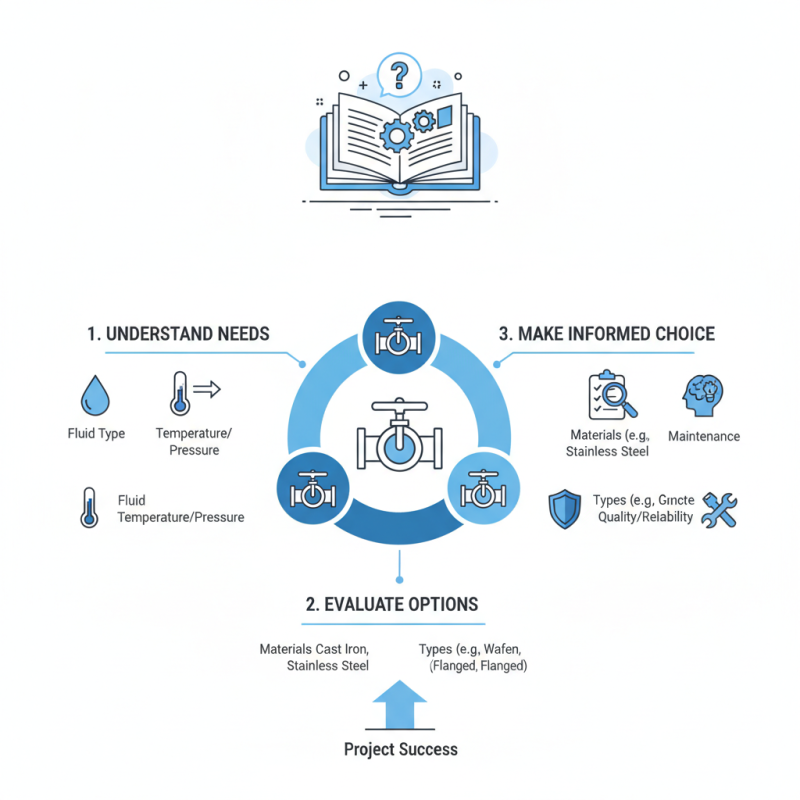
Swing valves play a crucial role in various fluid control systems. They allow fluid to flow in one direction while preventing backflow. Understanding their functionality is essential for making an informed choice. Swing valves operate using a disc that swings open or closed. When the flow pressure is high, the disc opens, allowing fluid passage. When pressure decreases, the disc closes, blocking flow. This simple mechanism makes them reliable for many applications.
When selecting a swing valve, consider the pressure rating and the type of fluid. Different fluids may require specific materials. Corrosive fluids need valves made from resistant materials. Also, think about the valve size. A larger valve can handle higher volumes but may take more space.
Tips: Look for industry standards when choosing valves. Ensuring reliability can save costs in the long run. Regular maintenance is crucial for valve longevity. Don’t overlook installation. Proper installation impacts performance significantly. Always consult with an expert if unsure. They can provide personalized recommendations based on your needs.
Choosing the right swing valve requires understanding your specific application needs. Swing valves are commonly used in various industries, including water treatment, chemical processing, and HVAC systems. Each application has unique requirements that dictate the type of valve you should select.
For instance, the pressure and temperature conditions in your system will heavily influence the valve choice. High-pressure applications may require more robust materials. Additionally, consider the medium being controlled, whether it’s water, gas, or a corrosive chemical. Each of these can affect the valve’s design and material selection.
Take cautious steps to evaluate the flow direction and pressure drop across the valve. A mismatch in these factors may lead to operational inefficiencies or equipment failures. Working with a knowledgeable supplier can help clarify these details. However, remember that their recommendations might reflect their products more than your true needs. Treat every suggestion with a critical eye. Balancing expert advice with your unique requirements is crucial for optimal performance.
| Dimension | Standard Size (inches) | Material Type | Pressure Rating (PSI) | Temperature Range (°F) |
|---|---|---|---|---|
| Diameter | 2 | Stainless Steel | 150 | -40 to 250 |
| Length | 4 | Brass | 200 | -20 to 300 |
| Width | 6 | PVC | 150 | 0 to 140 |
| Height | 8 | Cast Iron | 250 | -10 to 400 |
Choosing the right swing valve involves careful consideration of material compatibility. Valves come in various materials, and each has unique properties that affect performance. The environment where the valve operates is crucial. Common factors include temperature, pressure, and the medium the valve will handle. These considerations shape your valve selection process.
When assessing material compatibility, consider potential corrosion. Different fluids can react adversely with certain materials. For example, acids may damage standard metals, while rubber seals might degrade in high-temperature contexts. It is essential to understand these interactions to avoid premature valve failure.
Tip: Always consult material compatibility charts pertinent to your specific application. This can save you from costly replacements down the line.
Environmental exposure is another critical factor. Valves exposed to harsh conditions might need specialized coatings. Weathering impacts how materials behave over time. Factors like UV exposure and humidity must be acknowledged during selection.
Tip: Engage experts in valve technology to provide insights on best practices. Their experience can reveal potential pitfalls that might not be immediately obvious.
When selecting a swing valve, size and pressure ratings are crucial. Understanding these factors ensures you pick a valve that meets your system's demands. Large valves might seem ideal. However, oversized components can lead to inefficiencies. They can also increase potential pressure drops in the system. Small valves may struggle under high pressures. Always consider the specific requirements of your application.
Pressure ratings indicate how much stress a valve can handle safely. Choosing the wrong rating could result in leaks or failures. Different materials withstand pressure differently. For example, cast iron and stainless steel each have unique limits. Be sure to consult manufacturer guidelines. It’s essential to confirm you're using the right materials for your environment.
Tip: Measure the space where the valve will fit carefully. An accurate size ensures a snug and efficient installation.
Additionally, ensure to account for future needs. Systems can change or expand, and your chosen valve should accommodate potential increases in flow or pressure. Always err on the side of caution. In uncertain scenarios, consult with industry experts. This can guide you toward making informed decisions that enhance system performance.
When selecting a swing valve, it's critical to examine manufacturer specifications and certifications. These documents provide valuable insights into the valve's performance, materials, and intended applications. Understanding the specifications helps ensure you choose a valve that meets your operational needs. Look for details on pressure ratings and temperature limits. Certification can signify quality and safety standards, which is crucial in preventing failures.
Not all manufacturers provide clear or comprehensive data. It’s essential to ask about certifications, especially those that align with industry standards. Some valves may lack essential certifications, raising questions about their reliability. This can lead to significant operational risks. Understanding the various certifications, such as ISO or API, can help identify genuinely dependable products.
Validation is key in this process. It’s not uncommon to find discrepancies between manufacturer claims and actual performance. Pay attention to feedback from users. Observations from real-world applications can highlight potential issues. Additionally, don’t hesitate to seek clarification from manufacturers about their specifications. This diligence can prevent missteps when making your decision.
„Thanks to the LUVIR technology, the solder resist process could be switched directly from the previously used mask exposure to direct exposure. As an outstanding digital solution on the market, this technology has been able to demonstrate fast process times and superior quality on our certified conventional ink in production. This allowed us to fully digitize the solder mask process at low cost – without process or ink adjustments. An excellent benefit to our production in Rot am See.“
Ralf Göhringer (Head of Production WE Rot am See)
I would definitely recommend the Limata machine and team for a future company purchase
Michael Greenaway
Compunetics Inc.
“The Limata ldi has been amazing!! Best thing we did was buy this machine”
Richard Brady
GM
Circuitlabs
“Since 2019, we have been running the Limata X1000 LDI system (including LUVIR for solder mask imaging) in daily production as an addition to our current process with film. The machine was capable of properly exposing Taiyo PSR-4000 BN (DI) solder mask types on normal to high-copper boards using a new and unique direct imaging process. The machine operating interface is very user friendly which allowed for a quick technical training curve. The pre-registration processing reduced several seconds of production time at every print. Limata support and service staff is incomparable. They supported our team every step of the way at basically any time of the day or night, with literally, an immediate response time, customizing the software interface to best fit our Operations and needs.
We have exposed more than 8,000 prints since end of October, on various solder mask colors and some resist film panels. Limata, has proven to be very capable and innovative. They are a strong contender in the industry.
We have very much enjoyed this project, and working with the team!
Thank you Limata for the continued support and being a part of our growth.”
Bill Sezate
Vice President, GM
Summit Interconnect
As a replacement to our current contact exposure process with film, the LIMATA X2000 system including LUVIR-Technology was capable of properly exposing non-LDI solder mask types using a direct imaging process. The machine offers cutting edge software with a very intuitive operating interface which allowed for quick technician training curve. The dual drawer system combined with pre-registration processing reduced several seconds of production time at every machine cycle. Limata support and service staff is world class. They added software patches to keep production running at shortest possible response times, customized the software interface to best fit our in-house Operations system, and even wrote a step-by-step machine processing manual. As a result of the project, we have exposed more than 16,000 times on various product types and solder mask brands/colors. Limata, in a very short timeframe as a company, has definitely shown they are truly innovative and will be challenging the industry of direct imaging for the top spot.
Kevin Beattie
Process Engineer
TTM Technologies
Forest Grove Division
