The Cnc Horizontal Machining Center is a vital tool in modern manufacturing. It combines precision and efficiency, making complex tasks manageable. This type of machine is designed to handle various materials, enhancing versatility in production environments.
In essence, the Cnc Horizontal Machining Center operates with a unique spindle orientation. This horizontal layout allows for better chip removal and improves accuracy during machining. It is especially useful for larger workpieces that need extensive processing, saving time and labor costs.
Despite its advantages, using a Cnc Horizontal Machining Center can present challenges. Operators must understand its complexities to maximize performance. Regular maintenance is essential to avoid downtime. As with any technology, ongoing training is crucial to maintain expertise.
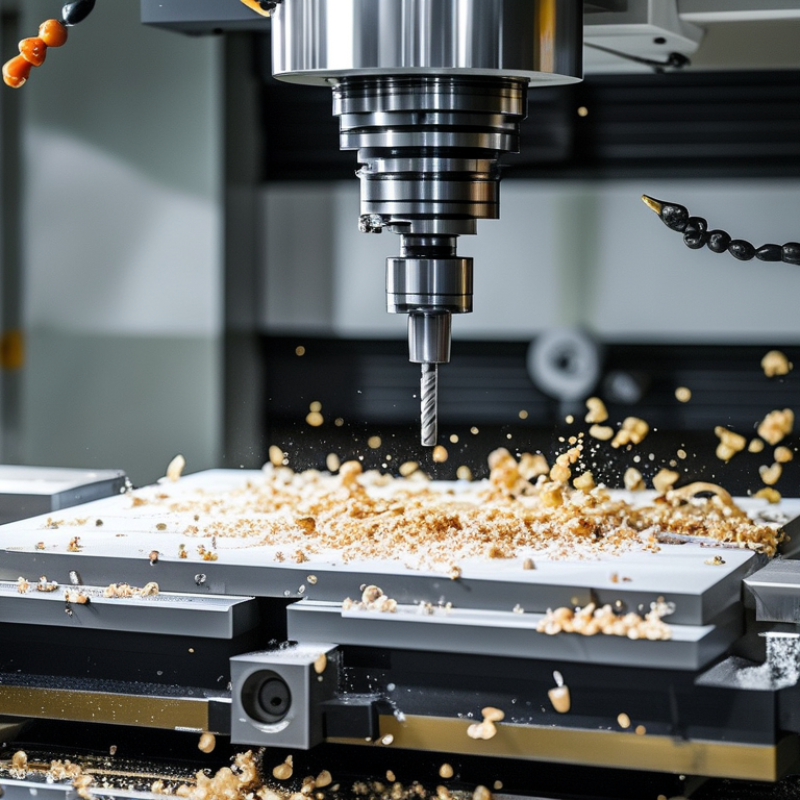
A CNC Horizontal Machining Center (HMC) is a pivotal tool in modern manufacturing. With its horizontal spindle, it offers multiple machining processes. This includes milling, drilling, and tapping in a single setup. This enhances precision and reduces cycle time, making it essential for complex parts. Reports suggest that the global CNC machining market is projected to reach $100 billion by 2027, indicating growth in this sector.
Feature-wise, an HMC's design allows for efficient chip removal and better cooling. This directly influences machining quality, reducing the risk of tool wear. A study from an industry research group shows that manufacturers using HMCs can improve production efficiency by 30%. This highlights their role in competitive manufacturing environments. However, adoption may come with challenges, like high initial investment costs.
Tip: Always consider the material type and part complexity when selecting a CNC machine. Less complex parts might not need a horizontal setup. Evaluate your production needs carefully.
In some cases, operators may overlook maintenance. Regular checks on coolant levels and spindle alignment can prevent costly downtime. Neglecting these aspects can lead to reduced machine life and precision loss. Awareness is crucial in ensuring optimal performance.
CNC horizontal machining centers are vital in modern manufacturing. They combine advanced technology with precision engineering. Understanding their key components is essential for effective usage.
One major component is the horizontal spindle. This allows for efficient cutting and accurate orientation. The spindle supports various tools that can be changed quickly.
Another crucial part is the worktable. It securely holds the workpiece in place during machining. The table often features T-slots to facilitate easy setup.
Finally, the control system plays a significant role. It manages the movements and operations of the machine. Many systems today have user-friendly interfaces, yet complexity remains. Operators need thorough training to maximize the equipment's potential.
There is always room for improvement in operator efficiency and skill acquisition. Each component works in harmony, yet the system can be prone to errors without diligent monitoring and maintenance.
CNC horizontal machining centers (HMCs) play a crucial role in modern manufacturing. These machines are designed to handle complex machining tasks with precision. Unlike vertical machining centers, HMCs utilize horizontal spindles. This orientation supports greater weight and stability for larger workpieces, making it ideal for heavy-duty operations.
The operation of an HMC involves several crucial components. The cutting tool is mounted horizontally, allowing for effective chip evacuation. This design enhances performance by reducing downtime, as chips do not accumulate on the workpiece. According to a recent industry report, HMCs can achieve a 30% higher productivity rate compared to their vertical counterparts. This efficiency stems from the simultaneous operation of multiple tools. Additionally, the ability to easily integrate automation systems extends the capabilities of HMCs.
Another aspect to consider is setup time. While HMCs offer speed, initial setup can be time-consuming. Operators must ensure proper alignment and calibration. Data shows that companies often underestimate these preparations, leading to unexpected delays. In the long run, this may impact overall productivity. As manufacturers continue to adopt advanced technologies, understanding the operational intricacies of HMCs remains vital for maximizing output and minimizing errors.
This bar chart represents the production rates of CNC Horizontal Machining Centers over four quarters of a fiscal year. As indicated, the production steadily increases from the first to the fourth quarter, showcasing the growing efficiency and demand within the machining sector.
CNC horizontal machining centers are known for their efficiency and versatility. They offer significant benefits in various manufacturing processes. These machines allow for multiple operations, reducing production time. Their design enables easy loading and unloading of workpieces. As a result, they are ideal for batch production tasks.
One major benefit of CNC horizontal machining centers is improved accuracy. These machines feature advanced CNC technology, ensuring precision in every cut. The horizontal setup minimizes the need for repositioning, leading to consistent results. This accuracy is vital in industries where precision is non-negotiable.
Tip: Regular maintenance is crucial. Ensure that all parts are clean and well-lubricated. This practice not only extends the machine’s lifespan but also enhances performance.
Another advantage is increased productivity. With multiple tool capabilities, they can perform various tasks without changing setups frequently. This capability optimizes workflow and reduces downtime. Companies often see a sharp increase in output with these machines.
Tip: Train your operators well. Knowledgeable staff can maximize the machine's capabilities, leading to smoother operations. Investing in training pays off through better efficiency and fewer mistakes.
CNC horizontal machining centers also handle large workpieces effectively. The stability of the horizontal design allows for the machining of heavier components. This creates opportunities for manufacturers to expand their product offerings and take on more demanding projects.
CNC horizontal machining centers are versatile machines widely used in manufacturing. These centers excel in producing complex parts with high precision. Their horizontal spindle design offers stability and improved tool access for operations like milling and drilling. This design is particularly beneficial for heavy workpieces, reducing vibrations during machining.
Common applications of CNC horizontal machining technology include aerospace, automotive, and medical industries. In aerospace, manufacturers rely on these machines for creating intricate components like brackets and housings. The automotive sector benefits from the ability to produce engine blocks and transmission cases. In the medical field, precise machining ensures the quality of surgical instruments and implants.
Tips for using CNC horizontal machining effectively include regular maintenance to prevent downtime. Ensure your tools are sharp and correctly aligned to enhance productivity. It's also crucial to review machining strategies continually; adapting to new technologies can improve efficiency. Reflect on past projects, identifying areas for improvement can lead to superior results.
| Dimension | Specification | Common Applications |
|---|---|---|
| Workpiece Size | Up to 500 mm in various dimensions | Manufacturing brackets, housing, and complex components |
| Spindle Speed | Up to 12,000 RPM | High-speed machining of intricate designs |
| Tool Capacity | Maximum 40 tools | Automotive parts production |
| Control System | CNC with G-code programming | Aerospace components manufacturing |
| Accuracy | ±0.01 mm | Medical device production |
„Thanks to the LUVIR technology, the solder resist process could be switched directly from the previously used mask exposure to direct exposure. As an outstanding digital solution on the market, this technology has been able to demonstrate fast process times and superior quality on our certified conventional ink in production. This allowed us to fully digitize the solder mask process at low cost – without process or ink adjustments. An excellent benefit to our production in Rot am See.“
Ralf Göhringer (Head of Production WE Rot am See)
I would definitely recommend the Limata machine and team for a future company purchase
Michael Greenaway
Compunetics Inc.
“The Limata ldi has been amazing!! Best thing we did was buy this machine”
Richard Brady
GM
Circuitlabs
“Since 2019, we have been running the Limata X1000 LDI system (including LUVIR for solder mask imaging) in daily production as an addition to our current process with film. The machine was capable of properly exposing Taiyo PSR-4000 BN (DI) solder mask types on normal to high-copper boards using a new and unique direct imaging process. The machine operating interface is very user friendly which allowed for a quick technical training curve. The pre-registration processing reduced several seconds of production time at every print. Limata support and service staff is incomparable. They supported our team every step of the way at basically any time of the day or night, with literally, an immediate response time, customizing the software interface to best fit our Operations and needs.
We have exposed more than 8,000 prints since end of October, on various solder mask colors and some resist film panels. Limata, has proven to be very capable and innovative. They are a strong contender in the industry.
We have very much enjoyed this project, and working with the team!
Thank you Limata for the continued support and being a part of our growth.”
Bill Sezate
Vice President, GM
Summit Interconnect
As a replacement to our current contact exposure process with film, the LIMATA X2000 system including LUVIR-Technology was capable of properly exposing non-LDI solder mask types using a direct imaging process. The machine offers cutting edge software with a very intuitive operating interface which allowed for quick technician training curve. The dual drawer system combined with pre-registration processing reduced several seconds of production time at every machine cycle. Limata support and service staff is world class. They added software patches to keep production running at shortest possible response times, customized the software interface to best fit our in-house Operations system, and even wrote a step-by-step machine processing manual. As a result of the project, we have exposed more than 16,000 times on various product types and solder mask brands/colors. Limata, in a very short timeframe as a company, has definitely shown they are truly innovative and will be challenging the industry of direct imaging for the top spot.
Kevin Beattie
Process Engineer
TTM Technologies
Forest Grove Division
