Cone Crusher Liners play a crucial role in the mining and aggregates industry. They are essential for optimizing the performance of cone crushers, which are widely used for crushing hard materials. According to a report by Allied Market Research, the global cone crusher market is expected to reach $2.4 billion by 2025, highlighting their importance in production processes.
These liners are designed to withstand high-impact forces and abrasive conditions. Made from various materials like manganese steel, they enhance the durability and efficiency of the crusher. The proper selection and management of Cone Crusher Liners can significantly affect operational costs and product quality. Reports indicate that improper liner management can lead to a 10% decline in overall productivity.
The complexity lies in understanding when to replace these liners. Observing wear patterns and material flow can provide insights, but it's often overlooked. Investing in advanced monitoring technology could help optimize the lifecycle of Cone Crusher Liners. It's vital for industry players to evaluate their processes regularly to ensure reliability and performance.
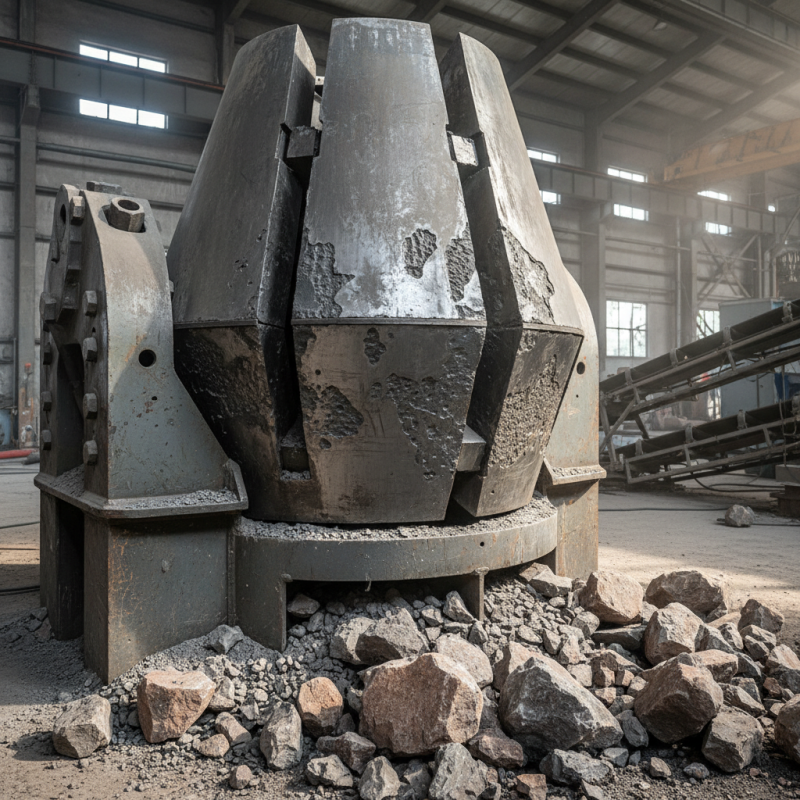
Cone crusher liners are essential components in the mining and construction industries. They are part of the cone crusher, designed to crush materials like rocks and ores. These liners are typically made from high-quality materials, which enhance their durability and performance.
The primary function of cone crusher liners is to protect the crushing chamber. They absorb the impact from the rocks being crushed, ensuring that the equipment remains intact. The liners wear down over time, which is a natural process. Regular inspections are crucial. Operators must monitor the wear levels to maintain efficiency.
One of the challenges in using cone crusher liners is managing their lifespan. As they wear, performance can decline, leading to inefficient crushing. Operators face tough decisions on when to replace or repair liners. Each choice impacts production rates and costs. Balancing these factors can be tricky, but it's vital for operational success.
Cone crusher liners play a crucial role in crushing applications. They are designed to hug the crushing chamber walls and are subject to constant wear and tear. Different types of liners provide various benefits depending on the material processed and desired output. Most common types include standard, medium, and fine liners. Each type is optimized for specific particle size distribution.
Standard liners are ideal for primary and secondary crushing. They provide larger openings for larger rocks. Medium liners offer a balance between efficiency and product size. Fine liners are used for the final stages of crushing. They ensure a finer, more consistent particle shape.
It's important to regularly inspect and replace liners to maintain equipment efficiency. Worn liners can lead to uneven wear or even damage to the cone itself. Choosing the right liner type can be challenging, as it requires knowledge of the material's characteristics. Operators must consider wear patterns and adjust liner selections accordingly. This ongoing process improves performance but can be difficult to master.
| Liner Type | Material | Application | Lifespan | Advantages |
|---|---|---|---|---|
| Standard Liner | High Manganese Steel | Primary Crushing | 800-1200 hours | Good wear resistance |
| Short Head Liner | Alloy Steel | Secondary Crushing | 700-1000 hours | Better shape and size control |
| Fine Liner | Chrome Molybdenum Steel | Tertiary Crushing | 600-900 hours | Excellent impact resistance |
| Extreme Duty Liner | High Chromium Steel | High Capacity Applications | 900-1500 hours | High productivity and efficiency |
Cone crusher liners play a crucial role in crushing operations. These parts are designed to withstand the intense wear and tear of crushing various materials. Their primary function is to protect the cone crusher’s inner workings. When materials are fed into the machine, the liners help break them down into smaller pieces. This process is essential in industries like mining, construction, and recycling.
It's important to select the right type of liners for specific applications. Different materials require different liner profiles. For instance, hard materials may need sturdier liners. A mismatched selection can lead to premature wear. This results in costly downtime and repairs. Understanding the wear patterns can also aid in optimizing the lifespan of the liners.
Tips for maintenance are vital for improving efficiency. Regular inspection of liners can identify wear and damage early. Noticing cracks or excessive wear can prevent bigger issues down the line. Keeping an eye on the crushing process itself is equally important. Adjusting the feed rate and monitoring material characteristics can improve the overall operation. Consider keeping a maintenance log to track changes and repairs.
Cone crusher liners play a crucial role in the performance and efficiency of cone crushers. These components, usually made of manganese steel, are designed to withstand significant wear and tear during crushing operations. The quality and condition of these liners can directly affect the crushing process, impacting both throughput and energy consumption. Studies have shown that well-maintained liners can improve crushing efficiency by up to 20%, significantly lowering operational costs.
When considering the impact of cone crusher liners on performance, it’s essential to evaluate the materials used. For example, utilizing liners with optimized profiles can promote a more effective crushing action. A report from a leading mining industry research organization indicates that the right liner configuration can enhance the material flow, reducing the risk of blockages. Neglecting regular inspection and replacement of liners can lead to decreased production rates and increased costs in the long run.
**Tip:** Regularly monitor the wear patterns on your liners. This practice can help you identify when it’s time for a replacement, ensuring consistent performance. Operators should keep an eye on operational parameters, as subtle changes may signal the need for liner adjustments. Staying proactive about maintenance can prevent unexpected downtimes and maintain efficiency.
Cone crusher liners play a vital role in the efficient operation of cone crushers. They assist in crushing materials by compressing them against the cone. However, their performance can decline over time due to wear and tear. Regular maintenance and timely replacement of these liners are crucial for optimal functionality.
Operators should monitor the condition of the liners routinely. Look for signs of wear, such as uneven surfaces or cracks. Replacing worn liners can prevent further damage to the crusher. A proper inspection schedule can significantly extend the life of the equipment.
Tips: Invest in high-quality materials for liners. They may cost more upfront, but they offer better longevity. Additionally, documenting maintenance activities helps track performance issues. If wear patterns are noted, adjustments in processes may be needed. Remember, even small neglect can lead to bigger problems later on. Regular vigilance will save time and money in the long run.
„Thanks to the LUVIR technology, the solder resist process could be switched directly from the previously used mask exposure to direct exposure. As an outstanding digital solution on the market, this technology has been able to demonstrate fast process times and superior quality on our certified conventional ink in production. This allowed us to fully digitize the solder mask process at low cost – without process or ink adjustments. An excellent benefit to our production in Rot am See.“
Ralf Göhringer (Head of Production WE Rot am See)
I would definitely recommend the Limata machine and team for a future company purchase
Michael Greenaway
Compunetics Inc.
“The Limata ldi has been amazing!! Best thing we did was buy this machine”
Richard Brady
GM
Circuitlabs
“Since 2019, we have been running the Limata X1000 LDI system (including LUVIR for solder mask imaging) in daily production as an addition to our current process with film. The machine was capable of properly exposing Taiyo PSR-4000 BN (DI) solder mask types on normal to high-copper boards using a new and unique direct imaging process. The machine operating interface is very user friendly which allowed for a quick technical training curve. The pre-registration processing reduced several seconds of production time at every print. Limata support and service staff is incomparable. They supported our team every step of the way at basically any time of the day or night, with literally, an immediate response time, customizing the software interface to best fit our Operations and needs.
We have exposed more than 8,000 prints since end of October, on various solder mask colors and some resist film panels. Limata, has proven to be very capable and innovative. They are a strong contender in the industry.
We have very much enjoyed this project, and working with the team!
Thank you Limata for the continued support and being a part of our growth.”
Bill Sezate
Vice President, GM
Summit Interconnect
As a replacement to our current contact exposure process with film, the LIMATA X2000 system including LUVIR-Technology was capable of properly exposing non-LDI solder mask types using a direct imaging process. The machine offers cutting edge software with a very intuitive operating interface which allowed for quick technician training curve. The dual drawer system combined with pre-registration processing reduced several seconds of production time at every machine cycle. Limata support and service staff is world class. They added software patches to keep production running at shortest possible response times, customized the software interface to best fit our in-house Operations system, and even wrote a step-by-step machine processing manual. As a result of the project, we have exposed more than 16,000 times on various product types and solder mask brands/colors. Limata, in a very short timeframe as a company, has definitely shown they are truly innovative and will be challenging the industry of direct imaging for the top spot.
Kevin Beattie
Process Engineer
TTM Technologies
Forest Grove Division
