A Cooling Water Pump plays a crucial role in many industrial processes. It circulates water to absorb heat from equipment, ensuring optimal performance. When temperatures rise, efficiency drops. This pump helps maintain stable conditions. Without it, systems can overheat and fail.
Modern cooling systems rely on this technology. They help prevent damage in factories, power plants, and HVAC systems. The design varies, but the core function remains the same: move water effectively. Users often overlook maintenance. Neglecting this aspect can lead to failures.
In understanding the Cooling Water Pump, we uncover the importance of reliability. Users should recognize signs of wear or decline. Awareness can save costs and extend the lifespan of equipment. Each pump type has unique features, and knowing these can enhance performance.
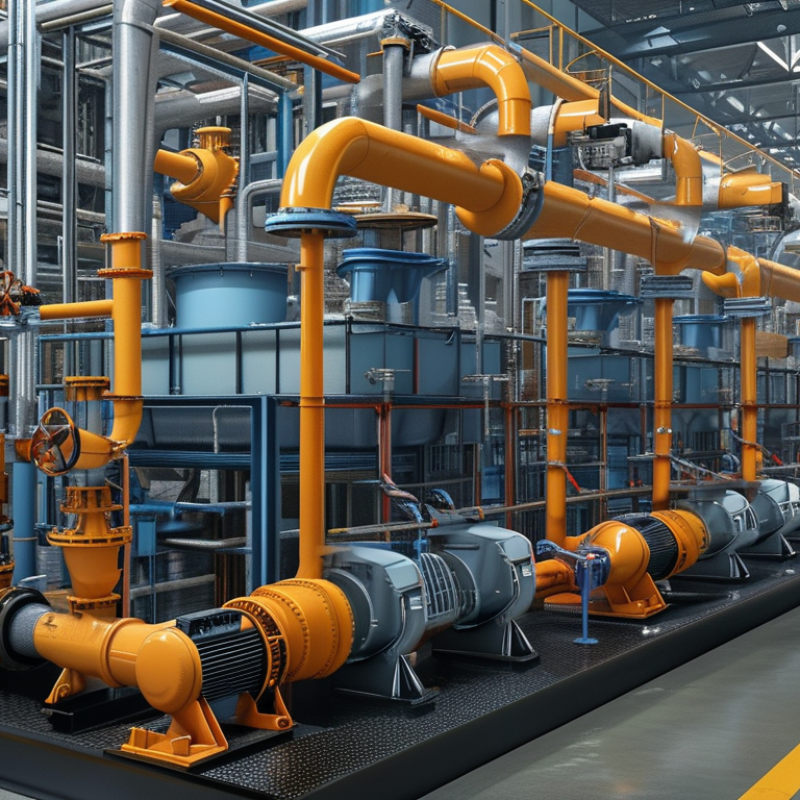
A cooling water pump is crucial in various industrial applications. It circulates water to control temperature and ensure efficient operations in machinery and processes. Research indicates that improper cooling can lead to a 20% decrease in operational efficiency. This highlights the pump's significance in maintaining the optimal functioning of equipment.
These pumps work by drawing in water from a reservoir. They then push the water through systems where heat exchange occurs. The design can vary significantly, with centrifugal pumps being the most common. Data show that these pumps can achieve flow rates exceeding 100,000 gallons per minute, essential for heavy industrial use. Yet, pump efficiency can decline if not routinely maintained.
Regular inspections are recommended to prevent issues like cavitation or excessive vibration. Neglecting pump maintenance can lead to unexpected downtimes and costly repairs. Industry reports estimate that unplanned maintenance can inflate operational costs by up to 30%. Understanding the workings and importance of cooling water pumps is vital for industries relying on temperature control.
Cooling water pumps play a critical role in various industrial applications. These pumps circulate water to remove heat from equipment, ensuring optimal performance and efficiency. According to a report by the International Journal of Thermal Sciences, improper cooling can lead to a 20% decrease in machinery efficiency over time.
The functionality of a cooling water pump revolves around its ability to maintain consistent temperatures. This involves moving water through heat exchangers, condensers, and other components. A study published by the American Society of Mechanical Engineers found that inadequate cooling can result in overheating, which could cause substantial equipment damage. In many cases, facilities cannot afford downtime, making reliable pump performance essential.
Yet, challenges persist. Many plants experience issues like pump wear and inefficient energy usage. For example, the Department of Energy highlights that cooling systems account for nearly 25% of a facility's total energy use. Regular maintenance and monitoring are necessary to address these inefficiencies, as neglect can lead to costly repairs. Understanding the intricacies of cooling water pumps is vital for sustaining optimal operational conditions.
| Feature | Description | Functionality |
|---|---|---|
| Pump Type | Centrifugal Pump | Uses rotational energy to move water. |
| Applications | Industrial cooling systems, HVAC systems | Provides necessary cooling for machinery and processes. |
| Operating Principle | Converts input mechanical energy into hydraulic energy | Increases the pressure and velocity of the water flow. |
| Components | Impeller, motor, diffuser, and casing | Work together to facilitate water movement. |
| Efficiency | Depends on the design and operating conditions | Higher efficiency leads to lower operational costs. |
A cooling water pump plays a crucial role in maintaining system temperature. Understanding its components can enhance efficiency and durability. The main parts include the pump casing, impeller, motor, and bearings. Each component works together to circulate water efficiently.
A cooling water pump plays a vital role in various industrial applications. Its primary function is to circulate water to dissipate heat, ensuring systems operate efficiently. The working principle revolves around a basic process of drawing in water, increasing its pressure, and then expelling it through a network of pipes. This continuous flow helps maintain optimal temperature levels in machinery and equipment.
Understanding how this pump works can help in troubleshooting and maintenance. Typically, the pump utilizes an impeller driven by a motor. When water enters the pump, the impeller spins rapidly. This motion generates centrifugal force, pushing the water out at high pressure. The pressure difference created allows for effective heat transfer, as the water absorbs heat from the system before being pumped back to a cooling area, like a cooling tower.
Visualizing this process reveals its importance in real-world applications. In power plants, for instance, inefficient pumps can lead to overheating and costly downtimes. However, pumps may wear out or clog over time. Regular checks and cleaning can improve reliability but require diligence. Being aware of these potential issues is crucial for effective operation and maintenance of cooling water systems.
Cooling water pumps play a crucial role in various industries. They are vital for managing heat in systems like power plants, refineries, and manufacturing facilities. These pumps circulate water to absorb excess heat, ensuring that equipment operates efficiently and safely.
According to industry reports, nearly 70% of industrial processes require effective cooling systems. Cooling water pumps help maintain optimal temperatures and prevent overheating. In power generation, they increase efficiency by up to 20% in certain applications when properly maintained. This efficiency translates to significant cost savings over time.
Tip: Regular inspections of cooling water pumps can help avoid unexpected downtime. Keep an eye on flow rates and pump performance metrics. Monitoring parameters often reveals early signs of wear or inefficiency.
In marine applications, cooling pumps ensure that engines and machinery operate within safe temperature ranges. However, system design flaws can lead to insufficient cooling. An inadequate pump can result in reduced performance and increased energy costs.
Tip: Conduct a thorough review of pump specifications before installation. This can prevent costly mistakes and ensure the right pump is selected for the desired application. Identifying potential issues early can lead to improved reliability and longer pump life.
„Thanks to the LUVIR technology, the solder resist process could be switched directly from the previously used mask exposure to direct exposure. As an outstanding digital solution on the market, this technology has been able to demonstrate fast process times and superior quality on our certified conventional ink in production. This allowed us to fully digitize the solder mask process at low cost – without process or ink adjustments. An excellent benefit to our production in Rot am See.“
Ralf Göhringer (Head of Production WE Rot am See)
I would definitely recommend the Limata machine and team for a future company purchase
Michael Greenaway
Compunetics Inc.
“The Limata ldi has been amazing!! Best thing we did was buy this machine”
Richard Brady
GM
Circuitlabs
“Since 2019, we have been running the Limata X1000 LDI system (including LUVIR for solder mask imaging) in daily production as an addition to our current process with film. The machine was capable of properly exposing Taiyo PSR-4000 BN (DI) solder mask types on normal to high-copper boards using a new and unique direct imaging process. The machine operating interface is very user friendly which allowed for a quick technical training curve. The pre-registration processing reduced several seconds of production time at every print. Limata support and service staff is incomparable. They supported our team every step of the way at basically any time of the day or night, with literally, an immediate response time, customizing the software interface to best fit our Operations and needs.
We have exposed more than 8,000 prints since end of October, on various solder mask colors and some resist film panels. Limata, has proven to be very capable and innovative. They are a strong contender in the industry.
We have very much enjoyed this project, and working with the team!
Thank you Limata for the continued support and being a part of our growth.”
Bill Sezate
Vice President, GM
Summit Interconnect
As a replacement to our current contact exposure process with film, the LIMATA X2000 system including LUVIR-Technology was capable of properly exposing non-LDI solder mask types using a direct imaging process. The machine offers cutting edge software with a very intuitive operating interface which allowed for quick technician training curve. The dual drawer system combined with pre-registration processing reduced several seconds of production time at every machine cycle. Limata support and service staff is world class. They added software patches to keep production running at shortest possible response times, customized the software interface to best fit our in-house Operations system, and even wrote a step-by-step machine processing manual. As a result of the project, we have exposed more than 16,000 times on various product types and solder mask brands/colors. Limata, in a very short timeframe as a company, has definitely shown they are truly innovative and will be challenging the industry of direct imaging for the top spot.
Kevin Beattie
Process Engineer
TTM Technologies
Forest Grove Division
