Creating custom furniture can be an exciting journey. One essential aspect is the design of the custom furniture bolt. This often-overlooked component plays a critical role in both functionality and aesthetics. With the right bolt design, your furniture can achieve a seamless look while ensuring stability.
Consider incorporating unique shapes and finishes into your custom furniture bolt. For instance, a minimalist design can complement modern styles, whereas ornate bolts suit classic pieces. Reflect on the overall theme of your furniture when choosing these bolts. It’s essential to balance style with strength, as weak bolts can undermine your project.
Remember, every detail contributes to the final piece. Reviewing various bolt designs can be overwhelming. You may question what fits best with your vision. Trusting your instincts and exploring diverse options leads to a more personalized and satisfying outcome. Custom furniture bolts might seem small, but they significantly impact your project's success.
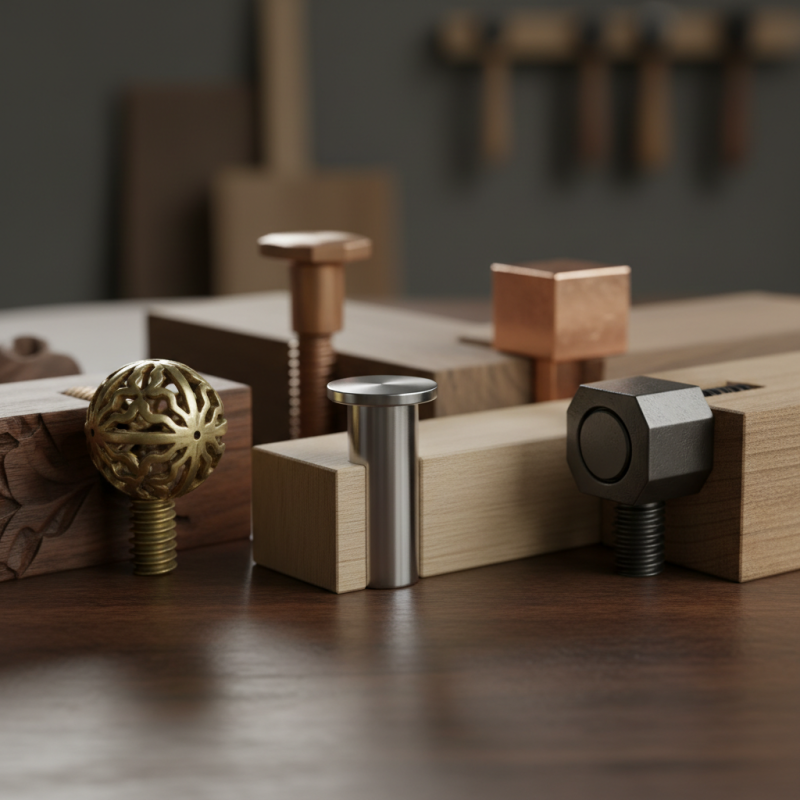
When embarking on a custom furniture project, the design of bolts can greatly influence both aesthetics and functionality. Essential elements of custom furniture bolt design include material choice, size, and finish. Selecting the right material is critical; steel and brass bring strength, while options like aluminum offer lightweight durability. Each material has its pros and cons, and it’s essential to weigh them carefully.
The size of bolts can impact the overall style. Larger bolts might lend an industrial vibe but can overwhelm delicate designs. Smaller bolts can be subtle, enhancing elegance without drawing attention. Additionally, the finish of the bolts plays a significant role in the final appearance. Matte or polished finishes can create a striking contrast against different wood types.
Another aspect to consider is the practical implications. Improper sizing can lead to structural issues. Reflecting on bolt placement during the design phase is crucial. Poorly positioned bolts may disrupt the visual flow and weaken the piece. It's always wise to test different arrangements before finalizing the design. Balancing form and function is challenging, but it's what makes custom furniture truly unique.
When it comes to custom furniture projects, the choice of bolts is essential for both aesthetics and structural integrity. Various types of bolts are commonly used, each serving unique purposes. For instance, carriage bolts are notable for their rounded heads and smooth shanks, creating a clean, polished look. These bolts are ideal for securing wood to wood, making them popular in rustic furniture design. In contrast, lag screws provide exceptional strength, perfect for heavy furniture like solid wood tables.
The material of the bolt also plays a critical role. Steel bolts are durable and withstand significant loads, but they can rust without proper treatment. In contrast, stainless steel bolts resist corrosion, suitable for outdoor or humid environments. According to industry data, about 70% of custom furniture makers prefer stainless steel for its longevity. However, the choice sometimes lacks reflective consideration on the design or material of the furniture. It’s a reminder that understanding the bolt's role is as crucial as the aesthetic elements.
Notably, bolts come in varying lengths and thicknesses. Customization can affect the furniture's overall stability. Many designers overlook this aspect, risking the structural balance of the piece. A bolt that is too long or too short can compromise strength. This highlights the need for careful planning in custom projects. The importance of selecting the right bolt type cannot be overstated, as it influences both functionality and design appeal.
| Bolt Type | Material | Application | Design Style | Notes |
|---|---|---|---|---|
| Hex Bolt | Steel | Structural support | Industrial | High strength and durability |
| Carriage Bolt | Carbon Steel | Wood connections | Rustic | Smooth round head for a clean look |
| Lag Bolt | Stainless Steel | Heavy-duty applications | Contemporary | Ideal for large wooden structures |
| Allen Bolt | Aluminum | Modular furniture | Minimalist | Provides a clean finish |
| Thumb Screw | Brass | Quick assembly/disassembly | Traditional | Easy to manipulate by hand |
When creating custom furniture, aesthetic considerations play a critical role, especially in bolt design. Bolts can influence the overall look of a piece, serving as both functional and decorative elements. Opting for unique shapes and finishes can elevate the visual appeal. For instance, using antique finishes might evoke a rustic charm, while sleek, polished bolts can add a modern touch.
Color and texture also matter significantly. Bold colors can create a striking contrast against wooden surfaces. Textured bolts, like hammered metal, contribute character. The scale of bolts should be proportional to the furniture piece. Oversized bolts may overwhelm small furniture, whereas tiny bolts risk being unnoticed on larger items. Balancing scale is essential for cohesive design.
It’s important to remember that aesthetics don’t only focus on the visual. Functionality is equally vital. Each bolt should adequately support the furniture structure without compromising the design. An imbalance between function and aesthetics can lead to reflections and adjustment needs. An ongoing dialogue between design intent and practicality may guide you to a harmonious outcome.
When designing custom furniture, bolt functionality plays a crucial role. Choosing the right bolt can enhance the overall usability and aesthetics of a piece. Consider utilizing cap or carriage bolts for better grip and strength. These designs not only improve stability but also add character to your furniture. The texture of the bolt can complement various styles, from rustic to modern.
Incorporating decorative elements is also beneficial. Try using colored or finished bolts to create a visually striking contrast. These details can elevate mundane designs into unique statement pieces. However, be cautious. Overdoing it may lead to a cluttered look. The balance between functionality and aesthetics is key. Regularly reevaluating your choices can help maintain this balance.
Remember, the installation process impacts usability. Ensure bolts are easily accessible for future adjustments or replacements. A well-designed setup facilitates maintenance. Think about integrating hidden bolts for a seamless appearance. This technique enhances design while preserving function. It's essential to reflect on past choices and learn from them for future projects. Mistakes can lead to innovative solutions if approached thoughtfully.
Integrating bolts into furniture design can enhance strength and visual appeal. A recent study from the Furniture Production Association reveals that projects incorporating structural bolts show a 30% increase in durability. Designers are now opting for visible bolts, adding an industrial chic appeal to their creations. This trend reflects a growing preference for a blend of function and aesthetics in modern furniture.
When using bolts, consider their placement carefully. Bolts should not only serve a structural purpose but also complement the design. For example, using oversized bolts in a minimalist design can create an eye-catching contrast. One designer reported that their project was more appealing after they incorporated contrasting bolt finishes. However, not all designs benefit from this approach. It's crucial to evaluate whether visible hardware aligns with your overall vision.
Practical considerations also come into play. Ensure that bolts are not overly conspicuous, which could detract from the furniture's elegance. Always select the right size and finish for your materials. A mismatch can lead to functionality issues. Adopting an iterative design process allows for adjustments based on feedback and testing. Such attention to detail ultimately leads to better results.
„Thanks to the LUVIR technology, the solder resist process could be switched directly from the previously used mask exposure to direct exposure. As an outstanding digital solution on the market, this technology has been able to demonstrate fast process times and superior quality on our certified conventional ink in production. This allowed us to fully digitize the solder mask process at low cost – without process or ink adjustments. An excellent benefit to our production in Rot am See.“
Ralf Göhringer (Head of Production WE Rot am See)
I would definitely recommend the Limata machine and team for a future company purchase
Michael Greenaway
Compunetics Inc.
“The Limata ldi has been amazing!! Best thing we did was buy this machine”
Richard Brady
GM
Circuitlabs
“Since 2019, we have been running the Limata X1000 LDI system (including LUVIR for solder mask imaging) in daily production as an addition to our current process with film. The machine was capable of properly exposing Taiyo PSR-4000 BN (DI) solder mask types on normal to high-copper boards using a new and unique direct imaging process. The machine operating interface is very user friendly which allowed for a quick technical training curve. The pre-registration processing reduced several seconds of production time at every print. Limata support and service staff is incomparable. They supported our team every step of the way at basically any time of the day or night, with literally, an immediate response time, customizing the software interface to best fit our Operations and needs.
We have exposed more than 8,000 prints since end of October, on various solder mask colors and some resist film panels. Limata, has proven to be very capable and innovative. They are a strong contender in the industry.
We have very much enjoyed this project, and working with the team!
Thank you Limata for the continued support and being a part of our growth.”
Bill Sezate
Vice President, GM
Summit Interconnect
As a replacement to our current contact exposure process with film, the LIMATA X2000 system including LUVIR-Technology was capable of properly exposing non-LDI solder mask types using a direct imaging process. The machine offers cutting edge software with a very intuitive operating interface which allowed for quick technician training curve. The dual drawer system combined with pre-registration processing reduced several seconds of production time at every machine cycle. Limata support and service staff is world class. They added software patches to keep production running at shortest possible response times, customized the software interface to best fit our in-house Operations system, and even wrote a step-by-step machine processing manual. As a result of the project, we have exposed more than 16,000 times on various product types and solder mask brands/colors. Limata, in a very short timeframe as a company, has definitely shown they are truly innovative and will be challenging the industry of direct imaging for the top spot.
Kevin Beattie
Process Engineer
TTM Technologies
Forest Grove Division
