When choosing the right Die Cutting Tools for your business, understanding the landscape is essential. With various options available, it can be challenging to identify the best fit. Each tool has unique features, capabilities, and user requirements. Your choice will directly affect productivity and quality in your projects.
Several factors contribute to effective die cutting. Consider the materials you'll work with, the complexity of designs, and the production volume. Investing in the wrong equipment can lead to inefficiencies and increased costs. It's crucial to weigh these considerations, along with your long-term business goals, before making a purchase.
With the right approach, Die Cutting Tools can significantly streamline your operations. However, not all tools are created equal. Assessing the reputation of manufacturers and gathering user feedback can provide valuable insights. This research can guide you toward reliable choices, helping you avoid common pitfalls. Emphasizing quality over quantity in your selection process can ultimately lead to success.
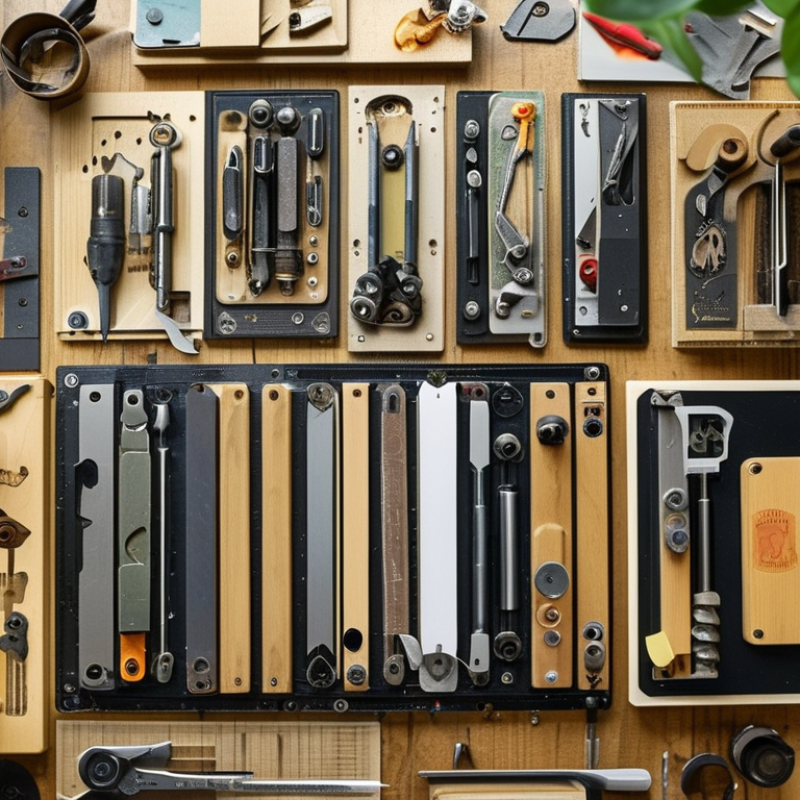
Die cutting tools are essential in various industries, including packaging, textiles, and automotive. Understanding the different types and functions of these tools can significantly impact operational efficiency. A report from Smithers in 2022 stated that the global die-cutting market is expected to reach $4.5 billion by 2025. This growth reflects the rising demand for precision and customization in production processes.
There are several types of die cutting tools, each tailored for specific applications. Rotary dies, for instance, are designed for high-speed operations, making them ideal for large-volume production. In contrast, flat bed dies are more suitable for intricate designs and prototyping. The choice of tool affects not only production speed but also the accuracy of the finished product. A study indicated that businesses using specialized die cutting tools improved their output quality by 30%. This suggests that proper tool selection is crucial for maximizing productivity.
However, not all businesses approach die cutting effectively. Many fail to assess their specific needs before investing in tools. This oversight can lead to inefficiencies or increased costs. Emphasizing the importance of evaluating material compatibility is also essential, as using unsuitable tools can compromise the final product's quality. Identifying the right tools requires careful examination of both current and future business needs.
When selecting die cutting tools, consider the specific needs of your business. The first key feature is the cutting capacity. Different materials require different blade types and pressures. For thick materials like cardboard, a more robust tool is necessary. If you're working with thinner materials, a lighter option may suffice. It’s essential to match your tool with your material choices.
Durability is another factor that can't be overlooked. Quality tools should withstand regular use without losing effectiveness. Pay attention to the materials used in the tool's construction. Steel blades often last longer than plastic ones. The frequency of use also plays a role. If you operate in a high-demand environment, investing in premium tools may be wise.
Ease of use affects productivity. Some tools come with intuitive designs that require minimal training. This feature saves time and reduces errors in production. On the other hand, complex tools might lead to frustration and inefficiency. Reflect on the balance between advanced features and usability. The best tool for your business aligns with your workflow and enhances efficiency.
This bar chart illustrates the key features to consider when purchasing die cutting tools, rated on a scale from 1 to 10 based on their importance. The highest ratings were given to Cutting Speed and Cost Efficiency, essential factors for any business in need of efficient die cutting solutions.
When analyzing die cutting tools, cost and quality play crucial roles. Businesses often face the dilemma of choosing between high-quality tools and more affordable options. According to a report from the Market Research Future, companies that invest in high-quality die cutting tools can see up to a 30% improvement in efficiency. This efficiency can lead to long-term cost savings and better product outcomes.
However, lower-priced tools may initially seem attractive. The Caveat, as noted by industry analysts, is that subpar tools can result in higher operational costs over time. Repairs, replacements, and inconsistent product quality add up. In fact, a survey by the Institute of Manufacturing found that 60% of companies have experienced losses due to poor-quality tools. This data emphasizes the need for a balanced approach in evaluating options.
Choosing tools requires careful consideration. Performance, material, and design are critical factors. A well-made die cutting tool may have a higher upfront cost but can provide a reliable and long-lasting solution. Investing in quality not only enhances productivity but can also build a business's reputation in the market. Businesses should weigh these aspects thoroughly to make informed and strategic decisions.
When selecting die cutting tools for your business, understanding the top brands is essential. Currently, the die cutting tools market is expected to grow by 4.2% annually, as reported by industry analysts. This growth indicates a rising demand driven by diverse industries, including packaging, craft, and automotive sectors.
Key players include manufacturers who specialize in precision and durability. Many tools are designed to handle various materials, such as paper, rubber, and metal. A reliable die cutting machine can significantly enhance productivity. However, it’s crucial to evaluate the long-term cost versus initial investment. Some tools may seem economical upfront but could incur higher maintenance costs.
In examining these brands, consider the warranty and customer support each provides. What happens if a tool malfunctions during production? An unreliable tool could lead to lost time and revenue. Certain reports indicate that 30% of businesses experience downtime due to equipment failures. Thus, reliability and support must be critical factors in your decision-making process. Understanding these nuances can streamline your purchasing and operational strategies.
Die cutting tools are vital for many businesses. To ensure longevity, proper maintenance is essential. Regularly inspecting your tools can prevent unexpected breakdowns. Look for signs of wear and tear. A small crack can lead to major issues later.
Cleaning your die cutting tools is crucial. Dust and debris can affect performance. Use a soft brush to clean out any particles. Lubrication is necessary too. Apply appropriate oils to enhance functionality. Skipping this step can result in friction and faster wear.
Training staff on tool care is often overlooked. They should know the best practices. Misuse can lead to significant damage. Create a checklist for daily maintenance tasks. This will help ensure tools are always in top condition. Remember, neglecting care may lead to more costly repairs in the long run. Reflect on your current practices and adjust where necessary.
„Thanks to the LUVIR technology, the solder resist process could be switched directly from the previously used mask exposure to direct exposure. As an outstanding digital solution on the market, this technology has been able to demonstrate fast process times and superior quality on our certified conventional ink in production. This allowed us to fully digitize the solder mask process at low cost – without process or ink adjustments. An excellent benefit to our production in Rot am See.“
Ralf Göhringer (Head of Production WE Rot am See)
I would definitely recommend the Limata machine and team for a future company purchase
Michael Greenaway
Compunetics Inc.
“The Limata ldi has been amazing!! Best thing we did was buy this machine”
Richard Brady
GM
Circuitlabs
“Since 2019, we have been running the Limata X1000 LDI system (including LUVIR for solder mask imaging) in daily production as an addition to our current process with film. The machine was capable of properly exposing Taiyo PSR-4000 BN (DI) solder mask types on normal to high-copper boards using a new and unique direct imaging process. The machine operating interface is very user friendly which allowed for a quick technical training curve. The pre-registration processing reduced several seconds of production time at every print. Limata support and service staff is incomparable. They supported our team every step of the way at basically any time of the day or night, with literally, an immediate response time, customizing the software interface to best fit our Operations and needs.
We have exposed more than 8,000 prints since end of October, on various solder mask colors and some resist film panels. Limata, has proven to be very capable and innovative. They are a strong contender in the industry.
We have very much enjoyed this project, and working with the team!
Thank you Limata for the continued support and being a part of our growth.”
Bill Sezate
Vice President, GM
Summit Interconnect
As a replacement to our current contact exposure process with film, the LIMATA X2000 system including LUVIR-Technology was capable of properly exposing non-LDI solder mask types using a direct imaging process. The machine offers cutting edge software with a very intuitive operating interface which allowed for quick technician training curve. The dual drawer system combined with pre-registration processing reduced several seconds of production time at every machine cycle. Limata support and service staff is world class. They added software patches to keep production running at shortest possible response times, customized the software interface to best fit our in-house Operations system, and even wrote a step-by-step machine processing manual. As a result of the project, we have exposed more than 16,000 times on various product types and solder mask brands/colors. Limata, in a very short timeframe as a company, has definitely shown they are truly innovative and will be challenging the industry of direct imaging for the top spot.
Kevin Beattie
Process Engineer
TTM Technologies
Forest Grove Division
