The rise of aerial photography has popularized the use of the Drone Gimbal Camera. This innovative technology stabilizes footage and enhances image quality during flight. Pilots can now capture smooth, cinematic shots that were once reserved for professional filmmakers.
Drone Gimbal Cameras function by using a system of motors and sensors. These components work together to counteract any unwanted movement from the drone. Even in windy conditions, users can achieve stable shots. This reliability has made these cameras essential for various applications, including real estate and sports events.
However, there is more to consider. Users must ensure proper calibration for optimal performance. Sometimes, even slight misalignments can result in shaky footage. Understanding how to operate a Drone Gimbal Camera effectively requires practice and attention to detail. This balance between technology and technique is vital for capturing stunning visuals.
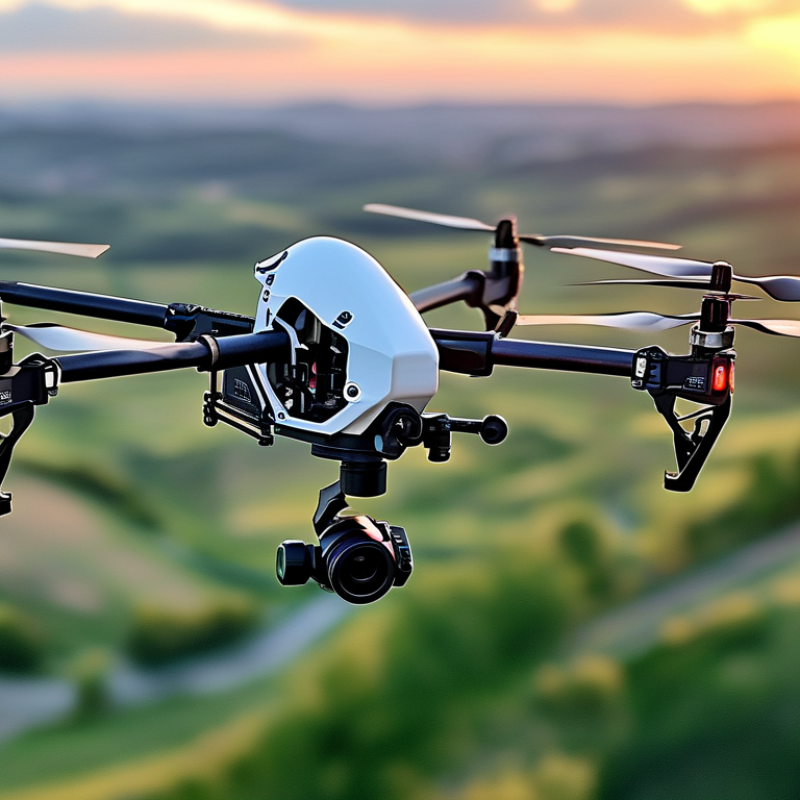
A drone gimbal camera is an essential tool for achieving stable aerial footage. It employs a system of motors and sensors to counteract the drone's movements. This technology allows for smooth video capture, even in windy conditions or during rapid maneuvers. Industry reports indicate that 60% of drone users prioritize gimbal stability for professional projects.
Gimbal cameras typically feature three axes of stabilization, ensuring that every shot is steady. This setup is particularly valuable for filmmakers and real estate professionals, where high-quality visuals are critical. The balance between weight and stability is a challenge. Heavier gimbals can impact flight time, but lighter models may lack stability.
Research shows that visual content is key for engagement, with videos expected to make up 82% of all internet traffic by 2025. Quality footage from a gimbal camera contributes significantly to this trend. However, not all gimbals are equal, and understanding the specific needs of your project can drive better results. Balancing optimal settings and user skill is often a learning curve worth noting.
Drone gimbal cameras are essential for achieving stable, high-quality aerial footage. These cameras utilize a system of motors and sensors to counteract a drone's movements. The gimbal stabilizes the camera, allowing it to remain steady even when the drone experiences turbulence or rapid changes in direction. This technology is crucial for filmmakers and photographers who aim to capture smooth visuals.
The functionality of drone gimbal cameras often includes three-axis stabilization. Each axis—pitch, yaw, and roll—can adjust independently, ensuring precise control. This allows for dynamic shooting angles and sweeping panoramic shots. However, there are challenges. If not calibrated correctly, the image stabilization may produce unintended effects, such as a “jello” effect. Regular maintenance and testing are vital.
Moreover, the integration of artificial intelligence in gimbal technology is growing. This feature aids in tracking moving subjects, enhancing filming capabilities. Yet, it raises questions about the reliability of automated systems. Users must learn to balance between automation and manual control for optimal results. Mastery of these tools requires time and practice, underscoring the importance of experience in aerial cinematography.
Gimbal stabilization systems play a crucial role in drone operations. They help achieve smooth footage by compensating for drone movements. There are primarily two types of gimbal systems: 2-axis and 3-axis.
A 2-axis gimbal stabilizes movement along the pitch and roll axes. It is simpler and often lighter. However, it cannot correct yaw movements, leading to less stable footage in some situations. A report by Drone Industry Insights suggests that 2-axis systems are often sufficient for casual photography or video. They offer a cost-effective choice for beginners.
On the other hand, 3-axis gimbals stabilize along pitch, roll, and yaw. This system is more complex but provides superior stabilization. It adjusts to all directions of movement. According to a market analysis, 3-axis gimbals are preferred by professionals for their reliability. They can produce cinematic-quality footage, but they can be more challenging to use. Many users find the learning curve steep.
Understanding these types is essential for drone operators. Each has its advantages and limitations. Choosing the right one depends on the intended application and skill level.
Gimbal cameras have transformed drone photography. They provide stability and clarity, even in turbulent conditions. This technology helps capture stunning aerial shots. The gimbal compensates for drone movements, ensuring smooth footage.
In professional settings, gimbal cameras shine. They are widely used in filmmaking and real estate photography. A well-balanced camera can show expansive landscapes or intricate details. This precision can be the difference between an average shot and a breathtaking one. However, operating a drone with a gimbal takes practice. It is crucial to understand how to control the device effectively.
While gimbal technology is impressive, challenges remain. Environmental factors, like wind, can still affect performance. Photographers must adapt to these conditions. Understanding the limitations of your equipment is essential. This awareness can lead to better planning and execution of aerial shots.
Gimbal cameras on drones offer numerous benefits that enhance aerial photography and videography. These devices stabilize the camera, providing smooth, shake-free footage, even during rapid movements. With a gimbal, drone operators can achieve professional-grade results without advanced filming skills. The three-axis stabilization keeps the camera level and in focus, allowing for cinematic shots in various environments.
Moreover, using a gimbal camera allows for better creative control. Drones can easily capture dynamic angles and unique perspectives that would be difficult to achieve by hand. This technology opens doors to new storytelling opportunities, making content more engaging. However, mastering the gimbal controls takes practice. Beginners might struggle to understand the nuances of different modes and settings.
While gimbals enhance performance, they add weight to the drone. This can affect flight time and maneuverability. Understanding the balance between gimbal weight and drone capacity is essential. In some situations, you may find that a basic camera setup may suffice. Balancing technology with practical needs remains a valuable consideration in drone operation.
| Feature | Description | Benefits |
|---|---|---|
| Stabilization | Gimbal camera stabilizes the camera to ensure smooth footage by counteracting drone movements. | Eliminates shaky video, enhancing video quality and professional appearance. |
| Rotation | Allows for 3-axis rotation to capture dynamic angles and perspectives. | Enhances creative filming possibilities, making videos more engaging. |
| Lightweight Design | Constructed from lightweight materials for easy integration with drones. | Minimizes additional load on drone, prolonging flight time. |
| Ease of Use | User-friendly controls and compatibility with various camera types. | Accessible for beginners and professionals, simplifying filming process. |
| Versatile Applications | Used in various fields, including filmmaking, surveying, and real estate. | Broadens usage scope, catering to different industries’ needs. |
„Thanks to the LUVIR technology, the solder resist process could be switched directly from the previously used mask exposure to direct exposure. As an outstanding digital solution on the market, this technology has been able to demonstrate fast process times and superior quality on our certified conventional ink in production. This allowed us to fully digitize the solder mask process at low cost – without process or ink adjustments. An excellent benefit to our production in Rot am See.“
Ralf Göhringer (Head of Production WE Rot am See)
I would definitely recommend the Limata machine and team for a future company purchase
Michael Greenaway
Compunetics Inc.
“The Limata ldi has been amazing!! Best thing we did was buy this machine”
Richard Brady
GM
Circuitlabs
“Since 2019, we have been running the Limata X1000 LDI system (including LUVIR for solder mask imaging) in daily production as an addition to our current process with film. The machine was capable of properly exposing Taiyo PSR-4000 BN (DI) solder mask types on normal to high-copper boards using a new and unique direct imaging process. The machine operating interface is very user friendly which allowed for a quick technical training curve. The pre-registration processing reduced several seconds of production time at every print. Limata support and service staff is incomparable. They supported our team every step of the way at basically any time of the day or night, with literally, an immediate response time, customizing the software interface to best fit our Operations and needs.
We have exposed more than 8,000 prints since end of October, on various solder mask colors and some resist film panels. Limata, has proven to be very capable and innovative. They are a strong contender in the industry.
We have very much enjoyed this project, and working with the team!
Thank you Limata for the continued support and being a part of our growth.”
Bill Sezate
Vice President, GM
Summit Interconnect
As a replacement to our current contact exposure process with film, the LIMATA X2000 system including LUVIR-Technology was capable of properly exposing non-LDI solder mask types using a direct imaging process. The machine offers cutting edge software with a very intuitive operating interface which allowed for quick technician training curve. The dual drawer system combined with pre-registration processing reduced several seconds of production time at every machine cycle. Limata support and service staff is world class. They added software patches to keep production running at shortest possible response times, customized the software interface to best fit our in-house Operations system, and even wrote a step-by-step machine processing manual. As a result of the project, we have exposed more than 16,000 times on various product types and solder mask brands/colors. Limata, in a very short timeframe as a company, has definitely shown they are truly innovative and will be challenging the industry of direct imaging for the top spot.
Kevin Beattie
Process Engineer
TTM Technologies
Forest Grove Division
