The Electric Light Van is revolutionizing transportation for businesses and individuals alike. As cities grow and environmental concerns increase, these vehicles offer a solution. With their compact design, they are ideal for urban settings where space is limited.
Adopting an Electric Light Van can lead to significant cost savings. The efficiency of electric power often translates to lower fuel expenses and maintenance costs. Additionally, businesses enjoy a reduction in their carbon footprint. However, potential buyers should consider issues such as initial investment and battery longevity.
It's essential to weigh these benefits against challenges. Not every business may see immediate ROI. Understanding the unique needs of your operations is crucial. As you explore options, the Electric Light Van could be a game changer in your logistics strategy.
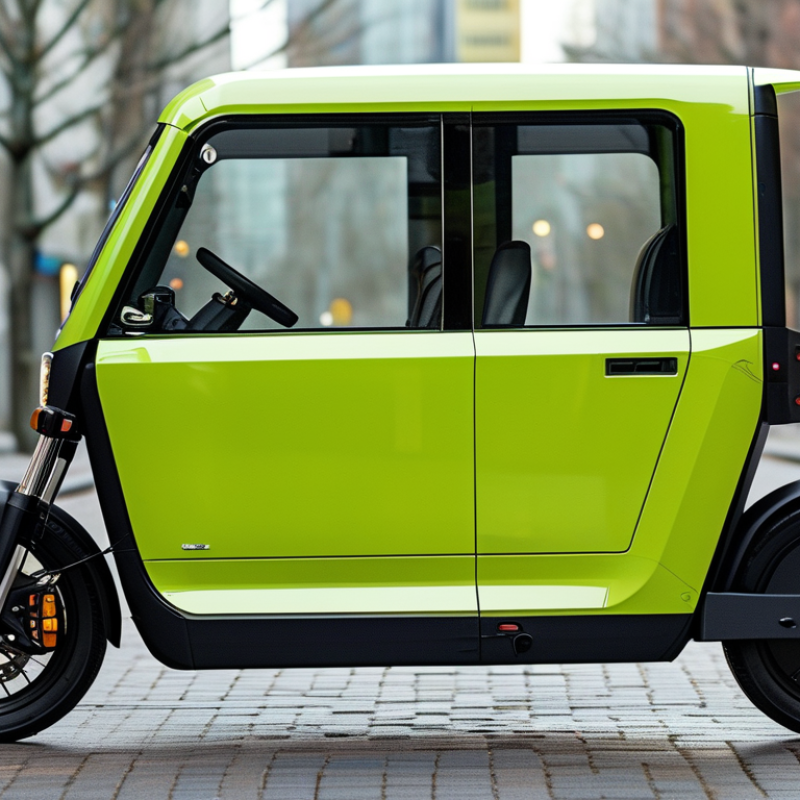
Electric light vans are a specific type of vehicle designed for urban deliveries and short-distance travel. Their versatility makes them ideal for businesses that need efficient transport solutions. According to a report from the International Energy Agency, electric light vans can reduce greenhouse gas emissions by up to 70% compared to traditional diesel vans. This significant reduction provides a clear environmental advantage.
The defining feature of an electric light van is its electric powertrain. Unlike conventional vehicles, these vans operate on batteries. A typical electric light van can travel between 100 to 150 miles on a single charge. However, this range can be limiting for some businesses. Potential users might need to consider their delivery routes carefully. The weight capacity can also vary, leading to potential challenges for transporting heavier loads.
These vans often come with advanced technology, including regenerative braking systems. Such features enhance energy efficiency but require driver retraining. Users must adapt to new driving habits to maximize battery life. There's also the infrastructure concern; charging stations are still not widespread in some regions. Thus, investing in electric light vans poses both opportunities and challenges for businesses looking to modernize their fleets.
Electric light vans are gaining popularity for various reasons. These vehicles are designed for urban environments. They offer a range of features that appeal to businesses and individuals alike. Quiet operation is a significant advantage. This feature minimizes noise pollution, making cities more pleasant.
Battery capacity is crucial for electric light vans. Typically, these vehicles offer a range of 100 to 200 miles on a single charge. This range suits local deliveries and short-distance travel. Additionally, fast charging options are available, reducing downtime. Some models allow for charging in as little as 30 minutes.
Payload capacity varies among models. Most electric light vans can carry up to 1,500 pounds. However, potential buyers should consider their specific needs. Not all vans excel in cargo space. Eco-friendliness is a major draw. Users reduce their carbon footprint while enjoying lower fuel costs. Yet, the initial investment can be higher than traditional vans. Finding the right balance is key.
Electric light vans are becoming increasingly popular, especially for businesses. These vehicles are designed to be efficient and environmentally friendly. By switching to electric light vans, companies can significantly reduce their carbon footprint. This move helps combat climate change, which is a pressing global issue.
The environmental benefits are clear. Electric vans produce zero tailpipe emissions, improving air quality in urban areas. This change can lead to healthier communities. Furthermore, these vehicles often have lower energy costs compared to traditional gasoline vans. Charging an electric van is usually cheaper than filling a tank. Companies that opt for electric vans also show a commitment to sustainability, enhancing their reputation in the market.
However, the transition isn’t without challenges. Charging infrastructure might be inadequate in some regions. Additionally, the initial investment can be higher. Businesses need to evaluate if the long-term savings outweigh the upfront costs. Reflecting on these factors is crucial before making a decision. Embracing electric light vans is not just a trend; it's a vital step toward a sustainable future.
Electric light vans are becoming increasingly popular for businesses seeking cost-effective solutions. These vehicles offer unique advantages that can noticeably impact financial management. One of the most significant benefits is fuel savings. Electric vans run on electricity, which is generally cheaper than gasoline or diesel. This translates into reduced operational costs, especially for companies with large fleets.
Maintenance costs are also lower with electric vans. They have fewer moving parts than traditional combustion engines. This leads to less frequent repairs and longer intervals between servicing. For instance, the elimination of oil changes and reduced brake wear can help stretch your budget further. However, transitioning to electric technology can be challenging. Infrastructure for charging may be limited in some areas, prompting businesses to rethink logistics and charging routines.
Moreover, the initial investment can be a concern. Electric vans generally have a higher upfront cost compared to diesel counterparts. This requires careful consideration of long-term savings versus initial expenses. Businesses must weigh these factors significantly. Adopting electric light vans can showcase a commitment to sustainability while potentially offering substantial cost savings over time. Balancing these elements requires thoughtful planning and a willingness to adapt.
| Feature | Benefits | Cost Savings | Environmental Impact |
|---|---|---|---|
| Lower Fuel Costs | Electric vans are powered by electricity, which can significantly reduce fuel expenses compared to traditional vans. | Savings of up to 60% on fuel costs over the vehicle's lifetime. | Reduces reliance on fossil fuels, leading to lower greenhouse gas emissions. |
| Reduced Maintenance Costs | Electric vehicles have fewer moving parts than internal combustion engines, leading to less wear and tear. | Estimated maintenance savings of 30% or more compared to gasoline vehicles. | Longer lifespans due to less mechanical stress, contributing to less waste. |
| Tax Incentives and Grants | Many governments offer tax breaks and incentives for electric vehicle purchases. | Potential savings of thousands of dollars during the purchase or lease of the vehicle. | Encourages a shift toward sustainable transport solutions. |
| Lower Insurance Rates | Insurance rates for electric vehicles can sometimes be lower due to reduced accident rates. | Possible savings of 10-15% on insurance premiums. | Safer roads contribute to overall public safety and reduced environmental impact. |
| Fueling Options | Home charging options provide convenience and potential savings. | Eliminates the need for frequent stops at gas stations, saving time and money. | Home charging can be powered by renewable energy sources, further reducing environmental impact. |
Electric light vans are becoming essential in various industries. Their versatility suits businesses ranging from delivery services to construction. These vehicles provide an eco-friendly solution for urban transport. They can navigate tight spaces easily, making them ideal for cities.
In the delivery sector, electric light vans have proven effective. They reduce emissions while maintaining efficiency. Many companies report lower operational costs due to their energy efficiency. Some businesses struggle with range anxiety, which requires careful planning.
For construction, these vans can deliver tools and materials without disturbing the environment. Their quiet operation is a plus on busy job sites.
Local governments are also exploring electric light vans for public services. They can serve as mobile units for community events, reducing the carbon footprint. However, businesses need to assess charging infrastructure and maintenance needs carefully. It's a shift that requires thoughtful consideration and adaptation.
„Thanks to the LUVIR technology, the solder resist process could be switched directly from the previously used mask exposure to direct exposure. As an outstanding digital solution on the market, this technology has been able to demonstrate fast process times and superior quality on our certified conventional ink in production. This allowed us to fully digitize the solder mask process at low cost – without process or ink adjustments. An excellent benefit to our production in Rot am See.“
Ralf Göhringer (Head of Production WE Rot am See)
I would definitely recommend the Limata machine and team for a future company purchase
Michael Greenaway
Compunetics Inc.
“The Limata ldi has been amazing!! Best thing we did was buy this machine”
Richard Brady
GM
Circuitlabs
“Since 2019, we have been running the Limata X1000 LDI system (including LUVIR for solder mask imaging) in daily production as an addition to our current process with film. The machine was capable of properly exposing Taiyo PSR-4000 BN (DI) solder mask types on normal to high-copper boards using a new and unique direct imaging process. The machine operating interface is very user friendly which allowed for a quick technical training curve. The pre-registration processing reduced several seconds of production time at every print. Limata support and service staff is incomparable. They supported our team every step of the way at basically any time of the day or night, with literally, an immediate response time, customizing the software interface to best fit our Operations and needs.
We have exposed more than 8,000 prints since end of October, on various solder mask colors and some resist film panels. Limata, has proven to be very capable and innovative. They are a strong contender in the industry.
We have very much enjoyed this project, and working with the team!
Thank you Limata for the continued support and being a part of our growth.”
Bill Sezate
Vice President, GM
Summit Interconnect
As a replacement to our current contact exposure process with film, the LIMATA X2000 system including LUVIR-Technology was capable of properly exposing non-LDI solder mask types using a direct imaging process. The machine offers cutting edge software with a very intuitive operating interface which allowed for quick technician training curve. The dual drawer system combined with pre-registration processing reduced several seconds of production time at every machine cycle. Limata support and service staff is world class. They added software patches to keep production running at shortest possible response times, customized the software interface to best fit our in-house Operations system, and even wrote a step-by-step machine processing manual. As a result of the project, we have exposed more than 16,000 times on various product types and solder mask brands/colors. Limata, in a very short timeframe as a company, has definitely shown they are truly innovative and will be challenging the industry of direct imaging for the top spot.
Kevin Beattie
Process Engineer
TTM Technologies
Forest Grove Division
