Cable Lugs play a vital role in ensuring reliable and safe electrical connections. These components are essential for linking cables to terminals in various electrical systems. A report from the International Electrotechnical Commission (IEC) indicates that improper connections can account for up to 30% of electrical failures in industrial applications. This highlights the need for robust solutions like cable lugs.
According to industry expert Dr. John Parker, “Cable lugs are the unsung heroes of electrical connectivity.” His statement reflects the importance of choosing the right lugs for specific applications. With varying types available, the selection process can be overwhelming. Factors like material, size, and environmental conditions must be considered.
Deficient understanding of these components can lead to avoidable hazards. For instance, using substandard lugs can result in overheating or electrical shorts. This calls for a conscientious approach toward quality and specifications in the cable lugs market. Thus, evaluating industry standards becomes crucial for safe and efficient electrical systems.
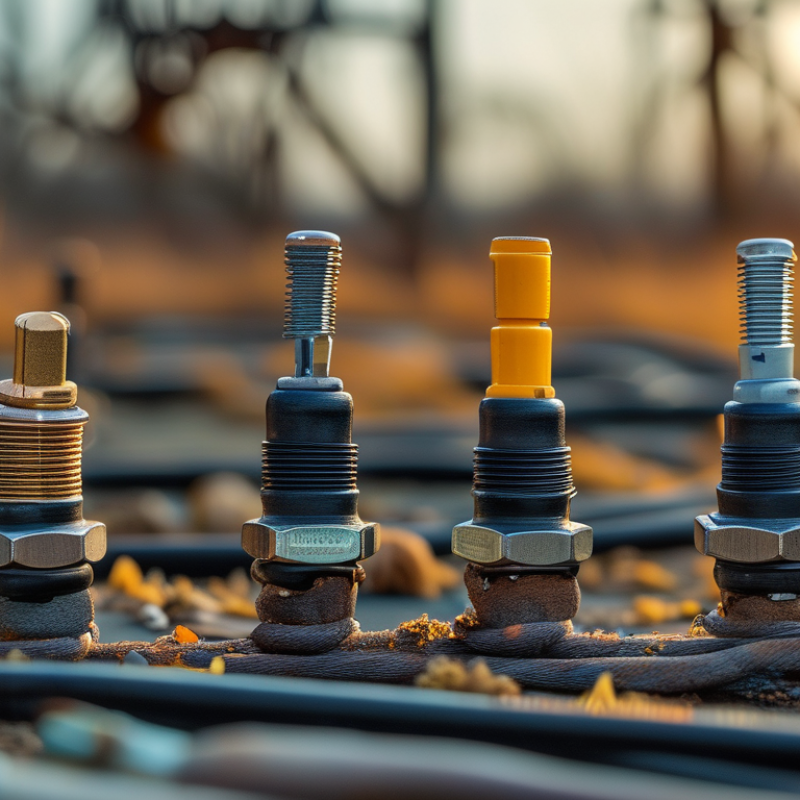
Cable lugs play a vital role in ensuring reliable electrical connections. They connect wires to various terminals and devices, making them essential for effective energy transmission. According to data from the International Electrotechnical Commission, improper connections can account for over 30% of electrical system failures. This statistic underscores the importance of using high-quality cable lugs.
The functionality of cable lugs goes beyond mere connection. They help reduce resistance in electrical pathways, decreasing the likelihood of overheating. A well-designed lug can handle high currents while maintaining optimal performance. However, not all lugs are created equal. Poorly made lugs can lead to voltage drops and increased energy losses. Research from the Electrical Engineering Institute indicates that faulty connections can diminish system efficiency by up to 5%.
When choosing cable lugs, consider factors like material and design. Copper lugs offer superior conductivity but might be costlier than aluminum ones. While aluminum is lighter and cheaper, its conductivity is lower. Mistakes in selection can have lasting impacts on system reliability. A deep understanding of the functional elements of cable lugs will lead to safer, more efficient electrical systems.
Cable lugs play a vital role in electrical systems. Selecting the right material for these components is crucial. Metals like copper and aluminum are commonly used due to their conductivity. The choice of material directly impacts the performance and longevity of the connections.
Improper material selection can lead to issues like overheating and corrosion. For example, using a low-quality metal can cause resistance in the connection. This resistance generates heat, damaging both the cable and the lug. It's essential to evaluate the application environment. Corrosive environments require materials that resist degradation.
Tips: Always check for compatibility with your cables. For outdoor use, consider materials resistant to UV rays and moisture. When in doubt, consult an expert. They can offer insights on material characteristics and appropriate uses. Investing time in material selection is essential for safety and efficiency.
Cable lugs play a crucial role in creating reliable electrical connections. Understanding the different types of cable lugs and their specific applications can enhance the performance of your electrical systems.
There are several types of cable lugs, including crimp lugs, solder lugs, and insulated lugs. Crimp lugs are designed for quick and secure connections. They suit various wire sizes. Solder lugs offer excellent conductivity but require soldering skills. Insulated lugs prevent accidental contact with live wires, enhancing safety in installations. Each type serves unique needs based on the environment and application.
Tips: When choosing cable lugs, consider their material. Copper and aluminum lugs are popular choices, each with specific advantages. Ensure compatibility with your cables for optimal performance. Also, inspect lugs for wear periodically. Damaged lugs can lead to poor connections. Regular checks enhance safety and reliability in electrical systems. Don't overlook installation techniques. Proper crimping or soldering ensures long-lasting connections.
Cable lugs play a crucial role in creating secure electrical connections. Their proper installation is essential to avoid failures. Improperly connected lugs can lead to overheating or power loss. Following best practices is vital for reliable results.
Start by selecting the right size lug for your cable. Ensure a snug fit to prevent any movement. Strip the insulation carefully, leaving enough bare wire to fit into the lug. This step is often overlooked, leading to inadequate connections. Using a quality crimping tool guarantees a strong bond. Remember, a poor crimp can cause future issues, such as intermittent connectivity.
After installation, inspect each connection. Look for any signs of wear or damage. Problems may not be immediately visible. Regular maintenance helps identify potential failures before they occur. Keeping records of inspections can enhance reliability. This diligence ensures that your electrical system remains safe and efficient.
Cable lugs are crucial components in electrical systems, providing strong connections between wires and terminals. To ensure that these connections remain effective, regular maintenance and inspection are key. Here are some practical tips to enhance cable lug performance.
Start by checking for corrosion. Even a small amount of rust can weaken connections. Clean the lugs regularly with a wire brush. Ensure that all surfaces are free of dirt and moisture. Apply a suitable lubricant to prevent future corrosion, which can compromise electrical flow. Remember, a clean connection translates to better performance.
Inspect the cable lugs for signs of wear or damage. Look for cracks, chips, or any deformation. These indicators can lead to improper connections, causing overheating or failures. If any lugs appear worn out, replace them promptly. Ignoring small issues can lead to bigger problems later. Regular inspections can save time, money, and ensure safety in your electrical systems.
| Cable Lug Type | Material | Max Current Rating (A) | Voltage Rating (V) | Recommended Maintenance Frequency |
|---|---|---|---|---|
| Standard Cable Lugs | Copper | 100 | 600 | Annually |
| Heat Shrinkable Cable Lugs | Aluminum | 150 | 1000 | Every 6 months |
| Tinned Cable Lugs | Copper | 75 | 450 | Every 2 years |
| Flat Cable Lugs | Aluminum | 200 | 800 | Annually |
„Thanks to the LUVIR technology, the solder resist process could be switched directly from the previously used mask exposure to direct exposure. As an outstanding digital solution on the market, this technology has been able to demonstrate fast process times and superior quality on our certified conventional ink in production. This allowed us to fully digitize the solder mask process at low cost – without process or ink adjustments. An excellent benefit to our production in Rot am See.“
Ralf Göhringer (Head of Production WE Rot am See)
I would definitely recommend the Limata machine and team for a future company purchase
Michael Greenaway
Compunetics Inc.
“The Limata ldi has been amazing!! Best thing we did was buy this machine”
Richard Brady
GM
Circuitlabs
“Since 2019, we have been running the Limata X1000 LDI system (including LUVIR for solder mask imaging) in daily production as an addition to our current process with film. The machine was capable of properly exposing Taiyo PSR-4000 BN (DI) solder mask types on normal to high-copper boards using a new and unique direct imaging process. The machine operating interface is very user friendly which allowed for a quick technical training curve. The pre-registration processing reduced several seconds of production time at every print. Limata support and service staff is incomparable. They supported our team every step of the way at basically any time of the day or night, with literally, an immediate response time, customizing the software interface to best fit our Operations and needs.
We have exposed more than 8,000 prints since end of October, on various solder mask colors and some resist film panels. Limata, has proven to be very capable and innovative. They are a strong contender in the industry.
We have very much enjoyed this project, and working with the team!
Thank you Limata for the continued support and being a part of our growth.”
Bill Sezate
Vice President, GM
Summit Interconnect
As a replacement to our current contact exposure process with film, the LIMATA X2000 system including LUVIR-Technology was capable of properly exposing non-LDI solder mask types using a direct imaging process. The machine offers cutting edge software with a very intuitive operating interface which allowed for quick technician training curve. The dual drawer system combined with pre-registration processing reduced several seconds of production time at every machine cycle. Limata support and service staff is world class. They added software patches to keep production running at shortest possible response times, customized the software interface to best fit our in-house Operations system, and even wrote a step-by-step machine processing manual. As a result of the project, we have exposed more than 16,000 times on various product types and solder mask brands/colors. Limata, in a very short timeframe as a company, has definitely shown they are truly innovative and will be challenging the industry of direct imaging for the top spot.
Kevin Beattie
Process Engineer
TTM Technologies
Forest Grove Division
