When purchasing a CATALYTIC CONVERTER, making informed decisions is crucial. A catalytic converter plays a vital role in reducing harmful emissions from your vehicle. This component converts toxic gases into less harmful substances before they exit the exhaust system. However, buying one isn't as straightforward as it seems.
Many buyers overlook the importance of quality and compatibility. A poorly chosen catalytic converter can lead to engine problems and increased emissions. It’s essential to understand your vehicle’s specific needs, including the make and model. You should never rush into a purchase without proper research. This knowledge will empower you to avoid common pitfalls.
Moreover, price is not the only factor to consider. While finding a good deal is important, it shouldn’t compromise quality. A cheaper catalytic converter might save you money upfront, but it can cause expensive repairs in the long run. So, take the time to weigh all options carefully. Your choice will impact your vehicle's performance and environmental footprint for years to come.
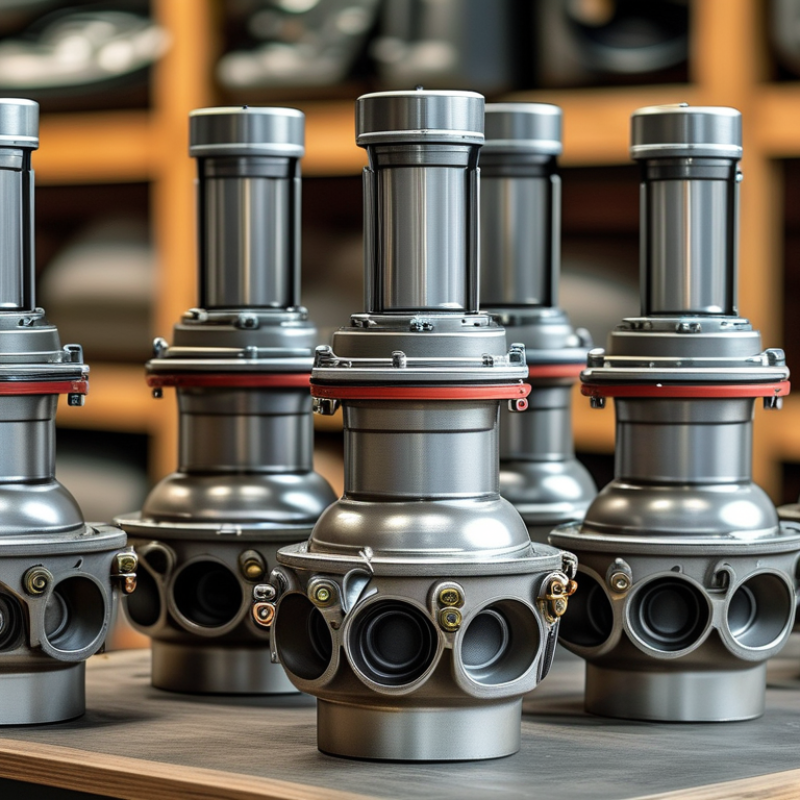
Understanding the role of catalytic converters is crucial for vehicle owners. These components are essential for reducing harmful emissions. They facilitate the conversion of toxic gases into less harmful substances. Proper functioning ensures your vehicle runs efficiently while adhering to environmental standards.
When considering a catalytic converter purchase, look for quality. A well-made converter can significantly enhance performance. Check the materials used in construction. Stainless steel is often a good indicator of durability. Poorly made converters may cause issues over time, negating any savings.
Another key point is compatibility with your vehicle. Each model requires specific parts. Ensure the catalytic converter matches your car's specifications. An incompatible part can lead to increased emissions and possible engine damage. Take the time to verify this information before buying to avoid future headaches.
When buying a catalytic converter, understanding your vehicle's specific requirements is crucial. Most vehicles have unique specifications based on their engine type and emissions standards. Begin by consulting your vehicle's manual for details. This document often outlines the required converter type and any special features. If the manual isn't available, online databases can be useful. Websites dedicated to vehicle parts often provide accurate information based on make and model.
Deciding on the right catalytic converter goes beyond just compatibility. You must consider the emissions regulations pertinent to your area. These regulations can vary significantly, so it's essential to stay updated on local laws. Installing a converter that does not meet these standards may lead to fines or engine problems. Proper research ensures you choose a converter that not only fits but complies. Additionally, always check exhaust system damage before installation. A damaged exhaust can affect the new converter's function. Overlooking this could lead to premature failure of the converter, resulting in wasted money and time.
When evaluating different types of catalytic converters, it's essential to consider their designs and materials. The most common types include two-way and three-way converters. Two-way converters are simpler and are designed for less complex emission controls. These are often found in older vehicles, but they may not meet today's stricter guidelines. Three-way converters are the standard for most modern vehicles. They manage carbon monoxide, hydrocarbons, and nitrogen oxides, making them more efficient in reducing harmful emissions.
Material also plays a critical role in performance. Most converters use precious metals like platinum, palladium, and rhodium. They help in the chemical reactions that reduce pollutants. Keep in mind that the quality of these materials can vary greatly among different converters. It’s vital to choose one that balances cost with effective emission reduction.
One common mistake is not assessing the vehicle's specific requirements. Each engine may have unique needs based on its design and fuel type. An ill-fitting converter can lead to subpar performance and increased emissions. Do thorough research before making a purchase. A sharp eye for detail can prevent costly errors in the long run. Understanding these various options can enhance your buying experience and ensure better function for your vehicle.
When comparing prices and brands for catalytic converters, a few factors stand out. First, consider the material quality. Catalytic converters are made from platinum, palladium, and rhodium. Higher quality materials often lead to better performance and durability. Look closely at the specifications. Not all converters are created equal, and variations can impact efficiency.
Pricing is crucial but can be misleading. Cheaper options may appear appealing at first, but they could compromise your vehicle's performance. Think about long-term value vs. initial cost. A well-made converter can save you from frequent replacements. Check online reviews and forums. User experiences can provide insight into reliability and effectiveness.
Warranties are another important aspect. A solid warranty reflects a brand's confidence in its product. Compare the length and coverage offered by different brands. It may reveal which companies are more trustworthy. Additionally, consider compatibility with your vehicle. Ensure the converter fits your car's make and model. Refusing to double-check compatibility could lead to wasteful purchases.
When purchasing a catalytic converter, understanding local emission regulations is crucial. Each area has specific standards that vehicles must meet. Research these regulations before making a decision. This will help you avoid buying a converter that doesn’t comply, which can lead to fines or vehicle issues. Local governing bodies may provide resources online. Checking with them can provide additional guidance.
It’s also important to consider the type of vehicle you own. Different vehicles require specific catalytic converters. Ensure the product you choose matches your vehicle’s emissions system. Mismatches can result in poor performance and increased emissions. Reading reviews and expert opinions can help clarify expectations. However, not all information is consistent, so approach it with a critical mind.
Even with proper research, errors can happen. Some converters may not meet the expected standards. Be open to the possibility that what works for others may not work for you. Engaging with seasoned mechanics or emission specialists can provide insight. Their hands-on experience is invaluable, yet mistakes can still be frequent. Always look for ways to double-check any information you receive.
| Tip No. | Tip | Details |
|---|---|---|
| 1 | Check Local Emission Standards | Ensure the catalytic converter complies with your local regulations. |
| 2 | Choose the Right Type | Select a converter suitable for your vehicle’s make and model. |
| 3 | Review Manufacturer Warranty | Look for a lengthy warranty that covers parts and labor. |
| 4 | Investigate Material Quality | Higher-grade metals can enhance durability and performance. |
| 5 | Consider Installation Requirements | Evaluate if professional installation is necessary for your selected converter. |
| 6 | Analyze Compatibility with Existing System | Ensure the new converter will work seamlessly with your vehicle's exhaust system. |
| 7 | Compare Prices | Look for competitive pricing but be wary of extremely low-cost options. |
| 8 | Check for Certification Marks | Ensure your converter has AFM and EPA certification to guarantee compliance. |
| 9 | Research User Reviews | Read customer feedback to evaluate real-life performance and reliability. |
| 10 | Confirm Return Policy | Check the return policy in case the part does not meet your expectations. |
„Thanks to the LUVIR technology, the solder resist process could be switched directly from the previously used mask exposure to direct exposure. As an outstanding digital solution on the market, this technology has been able to demonstrate fast process times and superior quality on our certified conventional ink in production. This allowed us to fully digitize the solder mask process at low cost – without process or ink adjustments. An excellent benefit to our production in Rot am See.“
Ralf Göhringer (Head of Production WE Rot am See)
I would definitely recommend the Limata machine and team for a future company purchase
Michael Greenaway
Compunetics Inc.
“The Limata ldi has been amazing!! Best thing we did was buy this machine”
Richard Brady
GM
Circuitlabs
“Since 2019, we have been running the Limata X1000 LDI system (including LUVIR for solder mask imaging) in daily production as an addition to our current process with film. The machine was capable of properly exposing Taiyo PSR-4000 BN (DI) solder mask types on normal to high-copper boards using a new and unique direct imaging process. The machine operating interface is very user friendly which allowed for a quick technical training curve. The pre-registration processing reduced several seconds of production time at every print. Limata support and service staff is incomparable. They supported our team every step of the way at basically any time of the day or night, with literally, an immediate response time, customizing the software interface to best fit our Operations and needs.
We have exposed more than 8,000 prints since end of October, on various solder mask colors and some resist film panels. Limata, has proven to be very capable and innovative. They are a strong contender in the industry.
We have very much enjoyed this project, and working with the team!
Thank you Limata for the continued support and being a part of our growth.”
Bill Sezate
Vice President, GM
Summit Interconnect
As a replacement to our current contact exposure process with film, the LIMATA X2000 system including LUVIR-Technology was capable of properly exposing non-LDI solder mask types using a direct imaging process. The machine offers cutting edge software with a very intuitive operating interface which allowed for quick technician training curve. The dual drawer system combined with pre-registration processing reduced several seconds of production time at every machine cycle. Limata support and service staff is world class. They added software patches to keep production running at shortest possible response times, customized the software interface to best fit our in-house Operations system, and even wrote a step-by-step machine processing manual. As a result of the project, we have exposed more than 16,000 times on various product types and solder mask brands/colors. Limata, in a very short timeframe as a company, has definitely shown they are truly innovative and will be challenging the industry of direct imaging for the top spot.
Kevin Beattie
Process Engineer
TTM Technologies
Forest Grove Division
