When purchasing doors parts, understanding the global market is crucial. The international doors parts industry is projected to reach $98 billion by 2025, according to a recent market research report. This rapid growth reflects the increasing demand for high-quality and reliable components in construction and renovation projects.
Navigating this market can be challenging due to varying standards and quality control practices worldwide. Buyers must consider factors such as materials, manufacturing processes, and supplier reputation. Research indicates that nearly 30% of consumers face issues with door part compatibility. This emphasizes the importance of detailed product specifications before making a purchase.
Quality assessment is not just about aesthetics. It's vital to evaluate performance metrics and certifications. Reports suggest that 40% of door part failures stem from poor selection or installation. By prioritizing reputable suppliers and adhering to industry standards, buyers can mitigate risks and ensure long-lasting results.
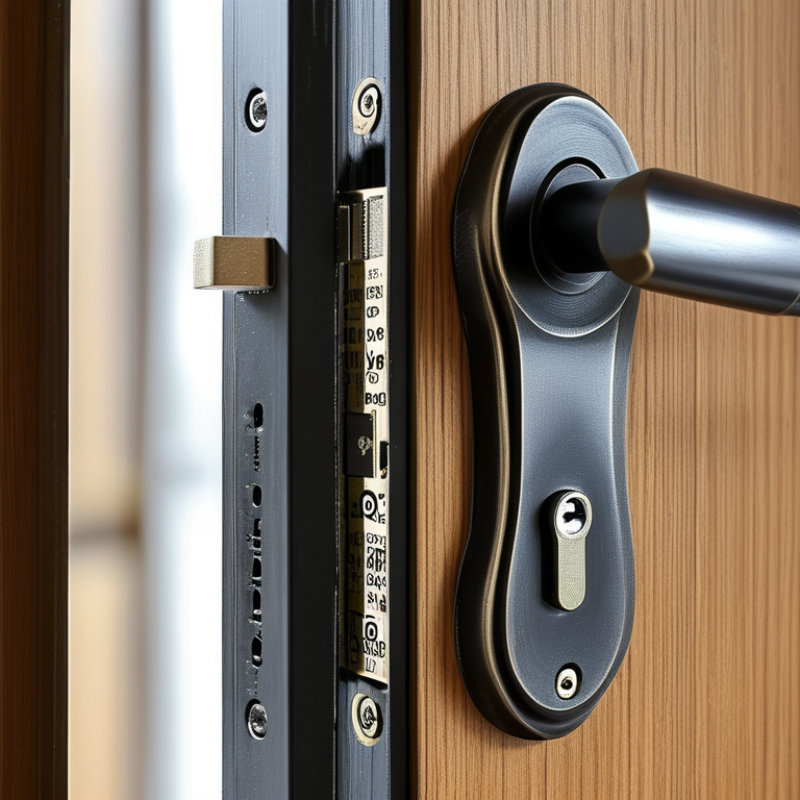
When considering the international purchase of door parts, quality is paramount. A recent study noted that 70% of buyers prioritize high-quality components. Investing in durable materials, such as solid wood or metal, can prevent costly repairs. However, differentiating between genuine quality and misleading marketing claims is challenging. Seek suppliers with established reputations and positive reviews.
Another key aspect is compliance with international standards. The ISO certification is a benchmark that ensures safety and reliability. Nearly 60% of reported issues in door installations arise from non-compliance with safety standards. This data highlights the importance of verifying certifications before making a purchase. Additionally, understanding local regulations in the purchasing country can prevent legal complications.
Finally, costs can vary widely across regions. Researching pricing strategies is essential. A report indicated that procurement costs can fluctuate by up to 30% based on geographic factors. This variance often requires negotiation skills. Be prepared to discuss pricing and terms openly. Reflect on your budget constraints but avoid compromising on quality for cost.
| Parameter | Description | Importance | Examples |
|---|---|---|---|
| Material | The substance from which door parts are made. | High | Wood, Steel, Aluminum |
| Compatibility | Suitability of parts with your current door system. | High | Hinges, Frames, Locks |
| Certification | Manufacturer's compliance with safety and quality standards. | Medium | ISO, ANSI, CE |
| Cost | The total price including shipping and taxes. | High | $20-$500 |
| Lead Time | Time required from order to delivery. | Medium | 1-4 weeks |
When it comes to selecting door hardware, understanding the various types available is crucial. A doorknob can range from classic to modern styles. It’s important to consider the material, which often includes metal or plastic. Each material has its own durability and maintenance needs. For instance, a metal knob may offer greater longevity. Meanwhile, a plastic option might be lighter but may not withstand heavy use as well.
Another essential component is the lock system. Deadbolts provide superior security compared to standard locks. They come in single or double-cylinder forms. Each type has unique advantages and fits different door designs. Evaluating the door's thickness is also key. Not all locks fit all doors. Measurements should always be precise to ensure proper installation and function.
When purchasing door components, quality standards and certifications play a crucial role in ensuring durability and safety. According to a recent industry report, nearly 40% of door failures are linked to inferior materials or lack of compliance with standards. This highlights the importance of understanding the quality benchmarks that govern door parts worldwide.
To assess the quality of door components, buyers should look for certifications such as ISO 9001 and CE marking. ISO 9001 ensures the manufacturer adheres to consistent quality management practices. CE marking indicates compliance with European health, safety, and environmental standards. Understanding these certifications can guide buyers in making informed choices.
Moreover, it’s essential to evaluate how well a manufacturer meets these standards. Regular audits and third-party testing demonstrate a commitment to quality. However, some manufacturers may falsely claim compliance or neglect proper testing. This discrepancy can lead to costly failures in the long run. Buyers should request documentation and not hesitate to ask for proof of compliance to avoid potential issues. Knowing what to look for empowers consumers to make better purchasing decisions.
When considering global door parts delivery, understanding shipping and logistics is crucial. Different regions have varying shipping regulations. Research the import policies of your destination country to avoid unexpected delays. Some countries may impose tariffs or inspections that can slow down your delivery. Familiarize yourself with these policies to make informed decisions.
Finding the right shipping partner is key. Look for carriers who have experience in international shipping. They can provide guidance on customs clearance and required documentation. Often, they have established relationships with local customs officials, which helps smoothen the process. However, not every carrier will have the expertise necessary for fragile door parts. Evaluate their capabilities carefully.
Proper packaging is essential. Ensure that door parts are well-protected during transit. Use sturdy materials and consider the weight of the packages. This can impact shipping costs. Sometimes, a cheaper option may lead to damaged goods, leading to further expenses. Be ready to reassess your packing strategies if you encounter issues. Taking these steps can prevent frustrating setbacks and enhance your overall experience.
When purchasing door parts globally, price comparisons can be challenging. Each market offers varying quality and pricing. Factors such as material, manufacturing processes, and local demand dramatically influence costs. Some regions may provide affordable options, yet these parts may lack durability. It's crucial to evaluate the overall value, not just the price tag.
Researching local suppliers is essential. Online platforms can reveal significant price differences. Some areas may have excess stock, leading to lower prices, whereas others might reflect higher importing costs. Additionally, shipping fees can alter final costs. It’s vital to consider these factors when comparing prices across markets.
Personal experiences show that cheap options can lead to unexpected expenses in the long run. A low initial price might indicate compromises in quality. Reflecting on these experiences encourages careful assessment before making a decision. Taking time to weigh all factors will lead to a more informed purchase.
„Thanks to the LUVIR technology, the solder resist process could be switched directly from the previously used mask exposure to direct exposure. As an outstanding digital solution on the market, this technology has been able to demonstrate fast process times and superior quality on our certified conventional ink in production. This allowed us to fully digitize the solder mask process at low cost – without process or ink adjustments. An excellent benefit to our production in Rot am See.“
Ralf Göhringer (Head of Production WE Rot am See)
I would definitely recommend the Limata machine and team for a future company purchase
Michael Greenaway
Compunetics Inc.
“The Limata ldi has been amazing!! Best thing we did was buy this machine”
Richard Brady
GM
Circuitlabs
“Since 2019, we have been running the Limata X1000 LDI system (including LUVIR for solder mask imaging) in daily production as an addition to our current process with film. The machine was capable of properly exposing Taiyo PSR-4000 BN (DI) solder mask types on normal to high-copper boards using a new and unique direct imaging process. The machine operating interface is very user friendly which allowed for a quick technical training curve. The pre-registration processing reduced several seconds of production time at every print. Limata support and service staff is incomparable. They supported our team every step of the way at basically any time of the day or night, with literally, an immediate response time, customizing the software interface to best fit our Operations and needs.
We have exposed more than 8,000 prints since end of October, on various solder mask colors and some resist film panels. Limata, has proven to be very capable and innovative. They are a strong contender in the industry.
We have very much enjoyed this project, and working with the team!
Thank you Limata for the continued support and being a part of our growth.”
Bill Sezate
Vice President, GM
Summit Interconnect
As a replacement to our current contact exposure process with film, the LIMATA X2000 system including LUVIR-Technology was capable of properly exposing non-LDI solder mask types using a direct imaging process. The machine offers cutting edge software with a very intuitive operating interface which allowed for quick technician training curve. The dual drawer system combined with pre-registration processing reduced several seconds of production time at every machine cycle. Limata support and service staff is world class. They added software patches to keep production running at shortest possible response times, customized the software interface to best fit our in-house Operations system, and even wrote a step-by-step machine processing manual. As a result of the project, we have exposed more than 16,000 times on various product types and solder mask brands/colors. Limata, in a very short timeframe as a company, has definitely shown they are truly innovative and will be challenging the industry of direct imaging for the top spot.
Kevin Beattie
Process Engineer
TTM Technologies
Forest Grove Division
