Efficient material handling is crucial in various industries, especially in manufacturing and construction. The use of Girder Cranes has been proven to optimize this process significantly. According to the National Institute of Standards and Technology, implementing advanced material handling systems can increase productivity by up to 25%. Girder Cranes, known for their robustness and adaptability, play a vital role in achieving this efficiency.
However, not all operations maximize the potential of Girder Cranes. Poor maintenance and inadequate operator training often lead to inefficiencies. A recent report from the Material Handling Industry of America highlighted that improper use of cranes contributed to 25% of industrial accidents. It's clear that a deeper understanding and consistent application of best practices are needed to avoid these pitfalls.
The industry's shift towards automation and smart technology also affects Girder Crane operations. Staying updated with the latest developments can enhance performance and safety. Embracing these innovations is imperative, but there is still room for reflection on how to implement them effectively. Focused attention on training and operational habits can lead to significant risk reduction and improved outcomes.
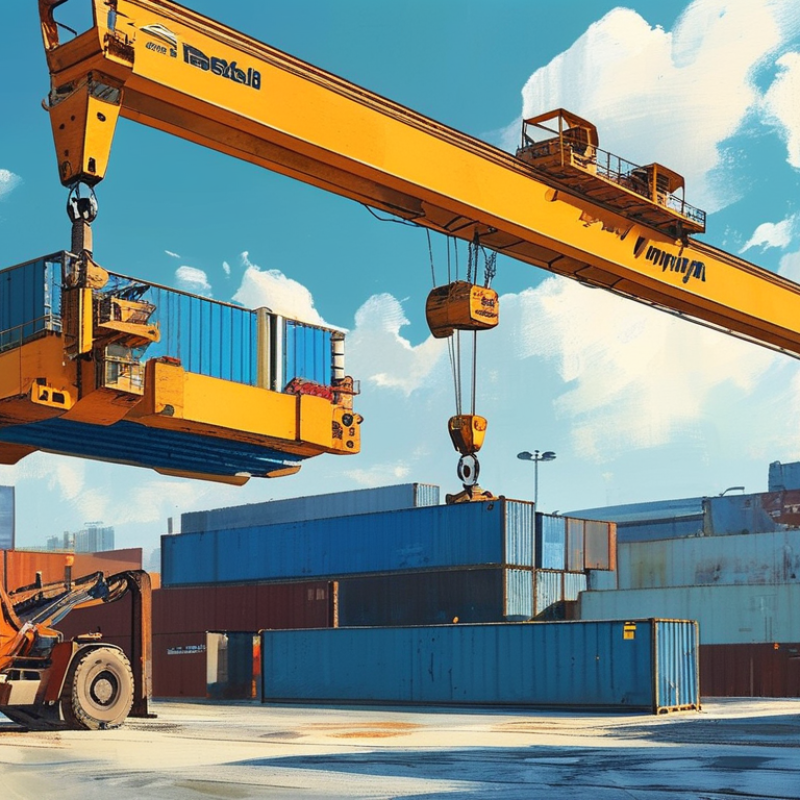
Choosing the right essential girder crane can greatly enhance your material handling efficiency. Consider your specific needs. Assess the maximum load capacity required for your operations. A crane that’s too small may lead to inefficiencies. Conversely, an oversized crane could waste resources and space.
Tips for choosing involve understanding the working environment. Indoor and outdoor settings may require different types of cranes. Pay attention to the height and reach specifications. This ensures that you can handle materials effectively without risk. Visibility is essential too; operators need a clear view to operate safely.
Don’t forget to evaluate the maintenance requirements. Frequent, complicated maintenance can cause downtime. Opt for a crane with accessible parts. Additionally, consider operator training. Even the best equipment is ineffective without skilled users. Reflect on these aspects carefully, as they impact efficiency and safety.
Understanding load capacity and weight distribution is crucial for safe material handling with girder cranes. Each crane has a specific load capacity. Exceeding this limit can lead to accidents or equipment damage. Operators should always check the specifications before lifting any load. Familiarity with these limits is essential for ensuring safety on the worksite.
Weight distribution greatly affects the stability of the crane. Uneven loads can cause tipping or swinging. It’s vital to know how to center the load appropriately. Use chains or slings that match the load requirements. Improper rigging can lead to catastrophic failures. Critical thinking is essential when assessing how weight is distributed.
Inexperience can lead to errors in judgment regarding load handling. Continuous training on load management is critical. Even seasoned operators can benefit from refresher courses. These practices contribute to overall safety. Maintaining an ongoing dialogue about safety concerns enhances awareness. Creating a culture of safety prevents complacency. Regular reviews can address existing gaps in load handling skills.
Regular maintenance is crucial for maximizing the efficiency of girder cranes. Neglecting this aspect can lead to performance issues. Operators should conduct daily inspections of all critical components. Check cables, hoists, and brakes for wear and tear. Early detection of problems saves time and costs down the line.
Lubrication is another essential task. It reduces friction and wear on moving parts. Schedule lubrication at regular intervals, based on usage and environmental conditions. This can significantly extend the lifespan of crane components. Ensure that the grease used is appropriate for the operating environment.
Training operators effectively is vital for safe and efficient crane use. They should understand load limits and proper rigging techniques. Inadequate knowledge here can lead to accidents and equipment damage. Encourage a culture of safety and responsibility among team members. Regularly review procedures and encourage feedback to improve practices continuously.
A well-organized workspace is vital for efficient material handling with girder cranes. Layout affects flow and productivity. According to a report by the Material Handling Industry of America, optimizing workspace can improve efficiency by 25%. Properly placed equipment reduces unnecessary motion. Workers can complete tasks faster, minimizing fatigue.
Incorporating dedicated zones for loading and unloading can streamline processes. Use clear markings to delineate these areas. This reduces confusion and enhances safety. A study by the Warehouse Education and Research Council shows that organized spaces decrease accident rates significantly.
Consideration for vertical space is also critical. Designing high-stacking areas, while ensuring accessibility, can maximize storage. However, safety practices must not be overlooked. Frequent reviews of layout effectiveness can reveal issues. It is essential to adapt to changing needs in the facility. Efficient material handling requires acknowledging flaws in the current system. Continuous improvement ensures long-term effectiveness.
This chart illustrates various factors that contribute to efficient material handling with girder cranes. Each factor is scored based on its effectiveness, highlighting the importance of workspace optimization and load management.
Operating essential girder cranes requires strict adherence to safety protocols to ensure a secure environment. Before starting work, operators must inspect the crane. Check for any visible damage or wear, including the cables and hooks. Use a checklist to confirm that safety features are functional. It is crucial to understand the load capacity of the crane and never exceed it. Overloading can lead to dangerous failures.
Communication is vital during crane operations. Ensure all team members understand signals and procedures. Use clear hand signals or radios to maintain effective communication. Designate a signal person to monitor the load path. Avoid distractions and stay focused on the task. Operators should participate in regular training to sharpen their skills and refresh safety knowledge.
Implementing the following tips can enhance safety. Always wear appropriate personal protective equipment (PPE). This includes hard hats, gloves, and steel-toe boots. Additionally, maintain a safe distance from the load. Never position yourself under a raised load. Regularly review safety protocols with the team to promote awareness. Even experienced operators can overlook critical details. Continuous learning and vigilance are essential for safe crane operations.
„Thanks to the LUVIR technology, the solder resist process could be switched directly from the previously used mask exposure to direct exposure. As an outstanding digital solution on the market, this technology has been able to demonstrate fast process times and superior quality on our certified conventional ink in production. This allowed us to fully digitize the solder mask process at low cost – without process or ink adjustments. An excellent benefit to our production in Rot am See.“
Ralf Göhringer (Head of Production WE Rot am See)
I would definitely recommend the Limata machine and team for a future company purchase
Michael Greenaway
Compunetics Inc.
“The Limata ldi has been amazing!! Best thing we did was buy this machine”
Richard Brady
GM
Circuitlabs
“Since 2019, we have been running the Limata X1000 LDI system (including LUVIR for solder mask imaging) in daily production as an addition to our current process with film. The machine was capable of properly exposing Taiyo PSR-4000 BN (DI) solder mask types on normal to high-copper boards using a new and unique direct imaging process. The machine operating interface is very user friendly which allowed for a quick technical training curve. The pre-registration processing reduced several seconds of production time at every print. Limata support and service staff is incomparable. They supported our team every step of the way at basically any time of the day or night, with literally, an immediate response time, customizing the software interface to best fit our Operations and needs.
We have exposed more than 8,000 prints since end of October, on various solder mask colors and some resist film panels. Limata, has proven to be very capable and innovative. They are a strong contender in the industry.
We have very much enjoyed this project, and working with the team!
Thank you Limata for the continued support and being a part of our growth.”
Bill Sezate
Vice President, GM
Summit Interconnect
As a replacement to our current contact exposure process with film, the LIMATA X2000 system including LUVIR-Technology was capable of properly exposing non-LDI solder mask types using a direct imaging process. The machine offers cutting edge software with a very intuitive operating interface which allowed for quick technician training curve. The dual drawer system combined with pre-registration processing reduced several seconds of production time at every machine cycle. Limata support and service staff is world class. They added software patches to keep production running at shortest possible response times, customized the software interface to best fit our in-house Operations system, and even wrote a step-by-step machine processing manual. As a result of the project, we have exposed more than 16,000 times on various product types and solder mask brands/colors. Limata, in a very short timeframe as a company, has definitely shown they are truly innovative and will be challenging the industry of direct imaging for the top spot.
Kevin Beattie
Process Engineer
TTM Technologies
Forest Grove Division
