Effective wastewater management in treatment plants is crucial for industrial operations. Industries generate significant volumes of wastewater that can harm the environment. Proper management protects water resources and ensures compliance with regulations.
Treatment Plant Wastewater systems play a vital role in filtering and processing industrial discharge. They minimize pollutants and help maintain ecological balance. However, many facilities struggle with outdated technology or improper practices.
Investment in advanced wastewater treatment processes is essential. Enhanced systems can improve efficiency and reduce environmental impact. A holistic approach to wastewater management can foster sustainability. Industries must reflect on their practices and embrace innovation for better outcomes.
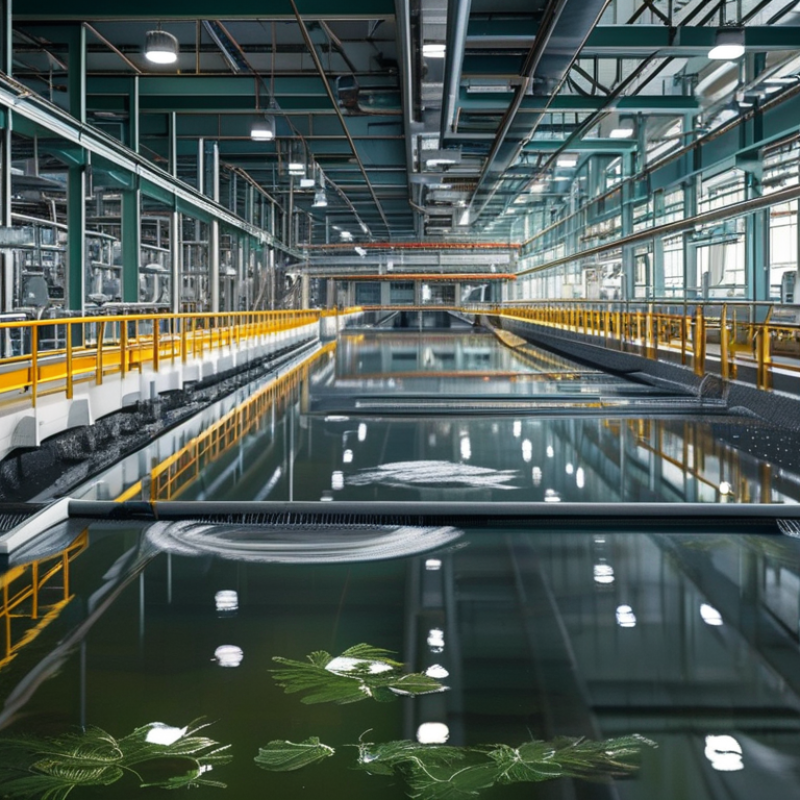
In industrial settings, wastewater management is crucial for several reasons. According to a report by the World Health Organization, industries contribute over 60% of global wastewater. This pollution can severely impact local ecosystems if not managed properly. Moreover, improper handling can lead to hefty fines and liability issues for companies.
Effective wastewater management also enhances operational efficiency. Treatment plants can recycle water, reducing costs associated with fresh water procurement. The U.S. Environmental Protection Agency highlights that industries can save up to 50% on water costs through effective recycling practices. This not only preserves resources but also fosters a sustainable business model.
Tips for implementing effective wastewater management:
Wastewater management is crucial for industries that generate effluent. Proper treatment and disposal practices are essential to comply with regulations and protect the environment. Key regulations help govern how companies must handle wastewater. These rules often vary by region, reflecting local environmental needs.
Industries must adhere to the Clean Water Act in the U.S. This act sets standards for discharge into waterways. Compliance is not just a legal requirement; it demonstrates a commitment to sustainability. Failing to meet these regulations can lead to significant fines and damage a company's reputation.
Tips: Always stay updated on local regulations. Regular audits can identify potential compliance issues. Training staff on proper wastewater handling practices will enhance overall efficiency. Simple steps can have a big impact. It’s vital to reflect on current practices and seek improvement continually.
| Regulation Name | Description | Applicable Industries | Compliance Requirements |
|---|---|---|---|
| Clean Water Act | Regulates discharges of pollutants into U.S. waters | Manufacturing, Agriculture, Mining | Obtain a National Pollutant Discharge Elimination System (NPDES) permit |
| Resource Conservation and Recovery Act (RCRA) | Controls hazardous waste management | Chemical Manufacturing, Waste Management | Manifest hazardous waste, track disposal methods |
| Federal Insecticide, Fungicide, and Rodenticide Act (FIFRA) | Regulates the use and disposal of pesticides | Agriculture, Pest Control Services | Register pesticides, comply with application standards |
| Clean Air Act | Regulates air emissions from stationary and mobile sources | Utilities, Manufacturing, Transportation | Implement emissions controls, monitor air quality |
Improper wastewater management poses significant threats to the environment and public health. When industries discharge untreated or poorly treated water, toxic substances can end up in local waterways. This contamination affects aquatic ecosystems, leading to the death of fish and other organisms. Over time, these imbalances can disrupt entire food chains, resulting in far-reaching consequences.
Human health is also at risk. Contaminated water sources can spread diseases, impacting communities. Drinking water may be tainted by hazardous chemicals, leading to serious health issues. Furthermore, industries that neglect proper wastewater treatment may face regulatory penalties. This can harm their reputation and financial stability.
**Tips:** Regular audits of wastewater practices can help identify gaps. Collaboration with environmental experts ensures compliance with standards. Educating staff on the importance of proper disposal methods fosters a culture of responsibility.
Wastewater management in industrial settings is crucial. Technological advances in this area are reshaping how industries manage their waste. Many facilities now harness innovative systems that improve efficiency. These technologies not only treat water effectively but also recover valuable resources.
Advanced filtration methods, such as membrane bioreactors, enhance purification. They separate solids from liquids with impressive accuracy. This process leads to higher water quality for reuse. Moreover, real-time monitoring systems are becoming common. They provide crucial data for maintaining optimal performance. Yet, industries sometimes grapple with implementation challenges. Adopting these advanced systems requires training and investment.
Some facilities struggle with the integration of new technology. A lack of expertise can lead to errors. Training employees is essential, but often overlooked. It's vital for industries to reflect on these obstacles. Solutions exist, but without addressing these gaps, progress may stall. The path to efficient wastewater management is not without its hurdles. Still, the potential benefits are undeniable.
Effective wastewater management is crucial for industries aiming to minimize their environmental impact. Industry reports indicate that approximately 20% of freshwater consumption originates from industrial activities. These industries are responsible for generating substantial amounts of wastewater, often laden with pollutants. Implementing best practices in wastewater management can lead to significant reductions in water usage and pollution levels.
One effective strategy is the installation of advanced treatment systems. These systems can remove harmful substances, ensuring that treated water meets regulatory standards. A study by the Water Environment Federation revealed that industries using advanced treatment technologies reduced their wastewater pollutant loads by up to 50%. Additionally, regular audits of wastewater management practices can identify inefficiencies and areas for improvement. Many facilities overlook routine checks, leading to compliance issues and higher operational costs.
Adopting a circular economy approach can enhance effectiveness. This includes recycling treated wastewater for non-potable uses, such as irrigation or cooling processes. In doing so, industries can decrease their overall water demand. Engaging with specialists in environmental sustainability can bolster compliance and operational efficiency. However, many organizations struggle to find the right expertise, leading to knowledge gaps in their strategies. Implementing robust training programs for staff can empower teams to better manage wastewater and adhere to best practices.
„Thanks to the LUVIR technology, the solder resist process could be switched directly from the previously used mask exposure to direct exposure. As an outstanding digital solution on the market, this technology has been able to demonstrate fast process times and superior quality on our certified conventional ink in production. This allowed us to fully digitize the solder mask process at low cost – without process or ink adjustments. An excellent benefit to our production in Rot am See.“
Ralf Göhringer (Head of Production WE Rot am See)
I would definitely recommend the Limata machine and team for a future company purchase
Michael Greenaway
Compunetics Inc.
“The Limata ldi has been amazing!! Best thing we did was buy this machine”
Richard Brady
GM
Circuitlabs
“Since 2019, we have been running the Limata X1000 LDI system (including LUVIR for solder mask imaging) in daily production as an addition to our current process with film. The machine was capable of properly exposing Taiyo PSR-4000 BN (DI) solder mask types on normal to high-copper boards using a new and unique direct imaging process. The machine operating interface is very user friendly which allowed for a quick technical training curve. The pre-registration processing reduced several seconds of production time at every print. Limata support and service staff is incomparable. They supported our team every step of the way at basically any time of the day or night, with literally, an immediate response time, customizing the software interface to best fit our Operations and needs.
We have exposed more than 8,000 prints since end of October, on various solder mask colors and some resist film panels. Limata, has proven to be very capable and innovative. They are a strong contender in the industry.
We have very much enjoyed this project, and working with the team!
Thank you Limata for the continued support and being a part of our growth.”
Bill Sezate
Vice President, GM
Summit Interconnect
As a replacement to our current contact exposure process with film, the LIMATA X2000 system including LUVIR-Technology was capable of properly exposing non-LDI solder mask types using a direct imaging process. The machine offers cutting edge software with a very intuitive operating interface which allowed for quick technician training curve. The dual drawer system combined with pre-registration processing reduced several seconds of production time at every machine cycle. Limata support and service staff is world class. They added software patches to keep production running at shortest possible response times, customized the software interface to best fit our in-house Operations system, and even wrote a step-by-step machine processing manual. As a result of the project, we have exposed more than 16,000 times on various product types and solder mask brands/colors. Limata, in a very short timeframe as a company, has definitely shown they are truly innovative and will be challenging the industry of direct imaging for the top spot.
Kevin Beattie
Process Engineer
TTM Technologies
Forest Grove Division
