Explosive Perforating is a critical technique in oil and gas extraction. It involves creating holes in well casings to allow hydrocarbons to flow into the wellbore. This technique uses explosives to precisely penetrate various formations. Implementing it can significantly enhance production rates.
Understanding the nuances of Explosive Perforating is vital. The selection of explosive types and the timing of detonation are crucial for optimal results. Improper execution can lead to poor penetration or environmental issues. Engineers must make careful choices based on geological data and reservoir characteristics.
While it has proven effective, challenges remain. The right balance of energy and placement matters. Inexperienced personnel may overlook crucial factors, leading to inefficiencies. Technological advancements continue to evolve, but continuous learning is essential. Each operation offers lessons for improvement.
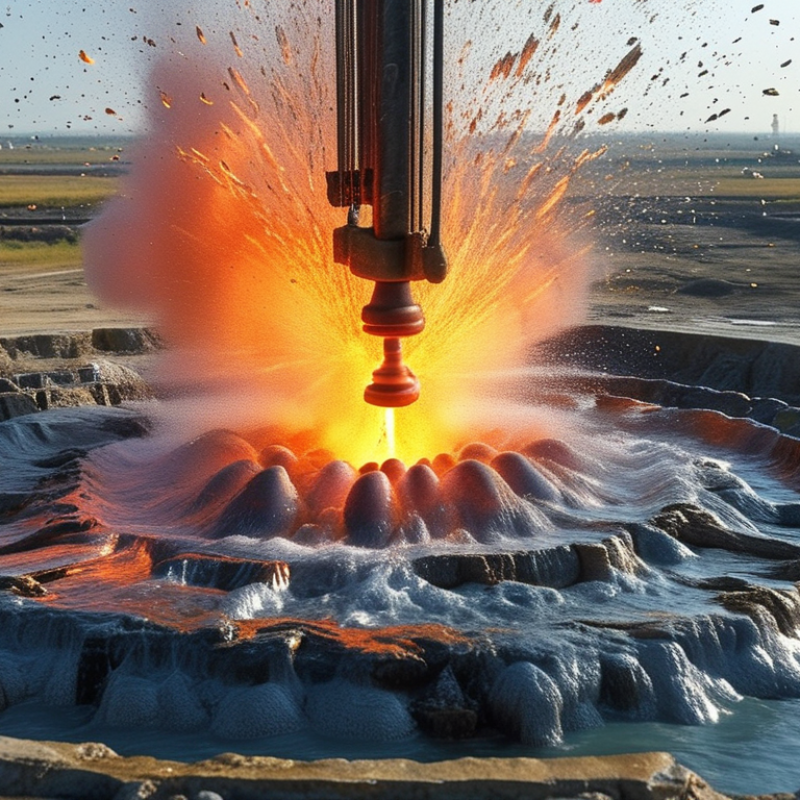
Explosive perforating is a critical technique in oil and gas extraction. It creates pathways for hydrocarbons to flow from rock formations into the wellbore. The process typically involves using explosive charges to puncture well casing and rocks, enhancing reservoir permeability. According to industry studies, successful perforation can increase oil and gas production rates by up to 50%.
In a well-designed perforation strategy, selecting the right explosive type is essential. For example, shaped charges effectively deliver energy to penetrate hard formations. However, improper charge placement can lead to ineffective perforation and reduced productivity. Regularly evaluating the well conditions is crucial, as they can change due to reservoir pressure and fluid characteristics.
Tips: Always conduct thorough pre-job analyses. This helps identify optimal perforation zones. Consider running simulation models to predict outcomes. Remember, the balance between safety and efficiency is vital. Crude oil prices can fluctuate, impacting the viability of your operations. Performing a detailed cost-benefit analysis before implementing explosive perforating strategies can pay off significantly.
Explosive perforating is a vital technique in oil and gas extraction. This method creates pathways in the rock, allowing hydrocarbons to flow more efficiently. The process utilizes shaped charges, which are carefully designed to penetrate the well casing and the surrounding formation. The detonation creates holes that vary in size and depth, depending on the charges used.
The principles of explosive perforating hinge on energy transfer. When detonated, the explosive generates a jet of gas that travels at high speed. This jet not only penetrates the casing but also disrupts the surrounding rock. The quality of these perforations can directly influence production rates. Inconsistent results can lead to poor extraction efficiency or damaged wells.
Despite its effectiveness, explosive perforating requires precision and expertise. Operators must carefully calculate the placement and type of charges. Even minor mistakes can lead to ineffective perforations. Continuous evaluation and adjustment of techniques are necessary to maximize efficiency and safety. The learning curve is steep, and mistakes can come with high costs. Acknowledging these challenges is essential in refining the technology and ensuring successful oil and gas extraction.
Explosive perforating is essential in oil and gas extraction. The process involves creating holes in the casing of the well to allow hydrocarbons to flow. Here’s a step-by-step guide to executing explosive perforating effectively.
Begin with site evaluation. Understanding the geological conditions can impact perforation effectiveness. Ensure safety protocols are followed during this phase. Select the right type of explosive based on the formation and desired hole size. The placement of charges is crucial for efficiency. Proper spacing affects the flow rate.
Once everything is set, initiate the detonation. This should be done with precise timing to maximize impact. After perforating, conduct a flow test to assess the results. This testing phase helps identify any issues. You might find that not all perforations yield desired outcomes. Adjustments may be necessary.
Tips: Always conduct regular maintenance on equipment. This minimizes the risk of malfunctions during the process. Engage with experienced professionals to ensure best practices are followed. Reflect on the outcomes of each perforation job. Learning from both successes and failures enhances future performances.
Explosive perforating is a method used in oil and gas extraction. It involves using explosives to create holes in the well casing and into the surrounding rock. This technique has distinct advantages and disadvantages that can impact its effectiveness.
One advantage is the efficiency of creating pathways for oil and gas. The process allows for multiple holes to be formed simultaneously. This can increase production rates significantly. Additionally, explosive perforating can penetrate hard rock formations that other methods might not reach. However, the method also has drawbacks. The use of explosives can risk damage to the casing, leading to costly repairs. Environmental concerns are also present, as detonations can create vibrations affecting nearby ecosystems.
Another point of consideration is safety during the operation. While trained professionals manage the process, the inherent risks cannot be ignored. For instance, unpredicted explosions or miscalculations can lead to accidents. Thus, companies must weigh the benefits against potential hazards. This balance is crucial to ensure both operational success and environmental stewardship.
| Aspect | Details |
|---|---|
| Method Description | Explosive perforating involves creating holes in the casing of a well using explosives to allow oil and gas to flow. |
| Advantages |
|
| Disadvantages |
|
| Typical Applications | Used in various environments, including offshore and onshore oil fields, where high productivity is crucial. |
| Safety Measures | Training for personnel, proper handling and storage of explosives, and usage of protective equipment during operations. |
| Regulatory Compliance | Adheres to local, state, and federal regulations regarding explosive materials and drilling operations. |
Explosive perforating is crucial for effective oil and gas extraction. However, it comes with notable safety and environmental concerns. During perforating operations, high-pressure gases and debris can be released. These pose risks to personnel and surrounding ecosystems. According to a report from the Society of Petroleum Engineers, nearly 50% of workplace accidents in oil extraction are tied to improper safety measures.
When conducting perforation, adhering to safety protocols is non-negotiable. Operators must use advanced monitoring systems to track pressure fluctuations. Equipment maintenance is essential to preventing failures. Furthermore, training personnel in emergency response measures can significantly reduce accident rates. The U.S. Occupational Safety and Health Administration emphasizes the need for proper protective gear, which can mitigate injuries.
Environmental considerations are equally vital. Explosive perforating can lead to groundwater contamination if not managed correctly. A study published in the Journal of Petroleum Technology found that 70% of environmental incidents in extraction were linked to perforating methods. Mitigating these risks involves using biodegradable explosives and careful planning of percussive zones. Ensuring the ecological safety of land and water is essential for sustainable operations.
„Thanks to the LUVIR technology, the solder resist process could be switched directly from the previously used mask exposure to direct exposure. As an outstanding digital solution on the market, this technology has been able to demonstrate fast process times and superior quality on our certified conventional ink in production. This allowed us to fully digitize the solder mask process at low cost – without process or ink adjustments. An excellent benefit to our production in Rot am See.“
Ralf Göhringer (Head of Production WE Rot am See)
I would definitely recommend the Limata machine and team for a future company purchase
Michael Greenaway
Compunetics Inc.
“The Limata ldi has been amazing!! Best thing we did was buy this machine”
Richard Brady
GM
Circuitlabs
“Since 2019, we have been running the Limata X1000 LDI system (including LUVIR for solder mask imaging) in daily production as an addition to our current process with film. The machine was capable of properly exposing Taiyo PSR-4000 BN (DI) solder mask types on normal to high-copper boards using a new and unique direct imaging process. The machine operating interface is very user friendly which allowed for a quick technical training curve. The pre-registration processing reduced several seconds of production time at every print. Limata support and service staff is incomparable. They supported our team every step of the way at basically any time of the day or night, with literally, an immediate response time, customizing the software interface to best fit our Operations and needs.
We have exposed more than 8,000 prints since end of October, on various solder mask colors and some resist film panels. Limata, has proven to be very capable and innovative. They are a strong contender in the industry.
We have very much enjoyed this project, and working with the team!
Thank you Limata for the continued support and being a part of our growth.”
Bill Sezate
Vice President, GM
Summit Interconnect
As a replacement to our current contact exposure process with film, the LIMATA X2000 system including LUVIR-Technology was capable of properly exposing non-LDI solder mask types using a direct imaging process. The machine offers cutting edge software with a very intuitive operating interface which allowed for quick technician training curve. The dual drawer system combined with pre-registration processing reduced several seconds of production time at every machine cycle. Limata support and service staff is world class. They added software patches to keep production running at shortest possible response times, customized the software interface to best fit our in-house Operations system, and even wrote a step-by-step machine processing manual. As a result of the project, we have exposed more than 16,000 times on various product types and solder mask brands/colors. Limata, in a very short timeframe as a company, has definitely shown they are truly innovative and will be challenging the industry of direct imaging for the top spot.
Kevin Beattie
Process Engineer
TTM Technologies
Forest Grove Division
