In today’s fast-paced digital era, efficient data transmission is crucial. A Fiber Media Converter plays a significant role in connecting different network types. This device transforms electrical signals into optical signals, allowing for seamless communication over long distances.
Fiber Media Converters provide a reliable solution for industries needing high bandwidth. They ensure minimal signal loss and improve overall network performance. By bridging the gap between copper and fiber networks, these converters enhance connectivity.
Despite their advantages, some might underestimate their importance. A lack of understanding can lead to suboptimal network setups. Knowing how Fiber Media Converters function is essential for making informed decisions. Ultimately, they are vital tools in modern communication infrastructures.
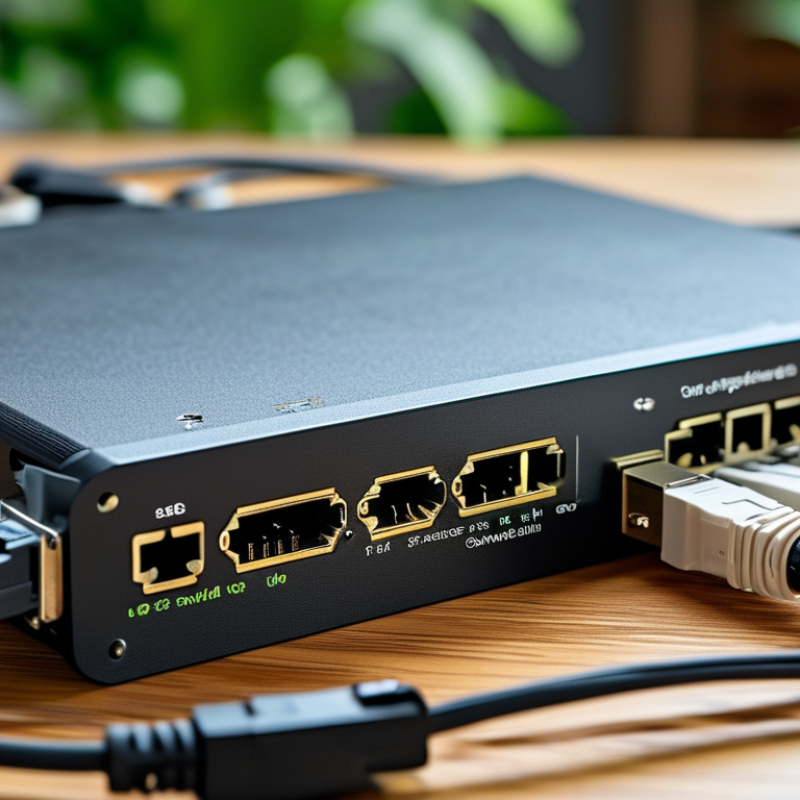
A fiber media converter is a device that facilitates the conversion between different media types in networking. Specifically, it enables the connection between fiber optic cables and traditional copper cables, allowing seamless communication over varied distances. According to a report by Research and Markets, the global fiber media converter market is projected to grow at an impressive CAGR of 8.2% from 2022 to 2027. This growth highlights the increasing demand for reliable and efficient data transmission in various sectors.
One of the significant advantages of utilizing fiber media converters is their capacity to support long-distance transmission. Fiber optics can carry data over distances exceeding a mile without significant loss of signal. In contrast, copper cables are limited to approximately 100 meters. Additionally, fiber media converters often include features like support for various protocols and data rates. However, not every organization may benefit from this technology. The integration process can be complex, and troubleshooting may require specialized expertise.
Understanding the role and functionality of fiber media converters is essential for efficient network planning. Without the right knowledge, companies might invest in solutions that do not meet their specific needs. Choosing the wrong type or configuration can lead to underperformance. Thus, evaluating existing infrastructure and needs is crucial before making a decision. Such insights can lead to more informed investments in networking technologies.
A fiber media converter plays a crucial role in modern networking. It bridges the gap between copper and fiber optic cables. This device is essential for environments requiring high-speed internet over long distances. According to industry reports, fiber optic technology supports data rates up to 100 Gbps, making it a strong choice.
Key components of a fiber media converter include the power supply, conversion module, and interface connectors. The conversion module is responsible for converting electrical signals to light signals. It usually features a transmitter and a receiver for both ends of the connection. The power supply provides the necessary energy for the device, ensuring continuous operation.
In many cases, installation can be a challenge. Improper setup may lead to signal loss or degradation. Additionally, users need to be aware of the different types of fiber, such as single-mode and multi-mode. Each type has its specifications and applications. Understanding these components helps in making informed decisions, reducing potential errors in the future. Fiber media converters significantly enhance network performance when set up correctly.
Fiber media converters play a crucial role in modern network communication. They convert electrical signals into optical signals, enabling data transfer over fiber optics. This transition is essential, as fiber optics support higher bandwidth and longer distances compared to traditional copper cables. According to industry reports, the demand for fiber media converters is expected to grow by 15% annually through 2025.
Their significance is evident in various sectors. In telecommunications, these converters enhance connectivity in remote areas. They bridge the gap between legacy copper networks and advanced fiber optic infrastructure. The United States fiber optic market alone was valued at approximately $2.5 billion in 2022, underscoring the increasing reliance on fiber technologies.
However, widespread adoption can present challenges. Many organizations may overlook compatibility issues. Not all converters work with every network setup. Proper planning and testing are recommended to avoid downtime. In some cases, organizations face delays in integrating new systems, revealing gaps in expertise. Continuous training is vital to keeping staff updated on technological advancements and conversion processes. In the evolving landscape of networking, fiber media converters are indispensable, but users must navigate their complexities carefully.
Fiber media converters play a crucial role in modern networking, enabling the connection of different media types. Common types include unmanaged, managed, and PoE (Power over Ethernet) converters. Each type serves distinct needs in network design.
Unmanaged converters are simple. They require no configuration and automatically connect devices. This makes them suitable for small networks or temporary setups. However, their lack of features may not suffice for complex systems.
Managed converters offer advanced features. Users can monitor and configure connections, allowing for network optimization. These are ideal for larger networks with specific requirements. Yet, they may present a learning curve for those unfamiliar with network management.
PoE converters integrate power with data transmission. They simplify installations by reducing the number of cables needed. This can be especially beneficial in areas where power sources are limited. Still, power management must be carefully evaluated to avoid overload.
Tips for choosing the right fiber media converter include considering your network’s scale and complexity. Evaluate the need for monitoring features. Installation ease is also a key factor. Keep in mind that not all converters will suit every environment. It's essential to assess actual needs.
| Converter Type | Fiber Type | Transmission Distance | Typical Use Case |
|---|---|---|---|
| Multi-Mode Fiber Converter | Multi-Mode | Up to 2 km | Local Area Networking |
| Single-Mode Fiber Converter | Single-Mode | Up to 120 km | Long Distance Communication |
| Gigabit Fiber Converter | Multi-Mode / Single-Mode | Variable (up to 70 km) | High-Speed Networking |
| Fast Ethernet Fiber Converter | Multi-Mode / Single-Mode | Up to 20 km | Connecting Ethernet to Fiber Networks |
| PoE Fiber Converter | Multi-Mode / Single-Mode | Up to 30 km | Power over Ethernet Applications |
Fiber media converters play a significant role in modern networking. They facilitate the connection between different types of media, such as copper and fiber optics. By converting electrical signals into optical signals, they play a crucial part in extending the distance data can travel. This ability makes them essential in businesses that require reliable, fast communication over long distances.
One important benefit of using fiber media converters is improved network performance. Fiber optics have a much greater bandwidth compared to traditional copper cables. This allows for faster data transfer rates. Furthermore, fiber media converters reduce signal loss over long distances, ensuring data integrity. Organizations report fewer interruptions and enhanced reliability with fiber networks.
Cost-saving is another important aspect. Upgrading to fully fiber-optic systems can be expensive. Fiber media converters offer a more economical solution. They enable the integration of existing copper networks with new fiber infrastructure. This strategy helps organizations transition gradually while managing budgets effectively. Despite these advantages, organizations should evaluate their specific needs and limitations. Fiber media converters are not a one-size-fits-all solution. Analyzing existing setups can expose potential challenges in compatibility and performance.
„Thanks to the LUVIR technology, the solder resist process could be switched directly from the previously used mask exposure to direct exposure. As an outstanding digital solution on the market, this technology has been able to demonstrate fast process times and superior quality on our certified conventional ink in production. This allowed us to fully digitize the solder mask process at low cost – without process or ink adjustments. An excellent benefit to our production in Rot am See.“
Ralf Göhringer (Head of Production WE Rot am See)
I would definitely recommend the Limata machine and team for a future company purchase
Michael Greenaway
Compunetics Inc.
“The Limata ldi has been amazing!! Best thing we did was buy this machine”
Richard Brady
GM
Circuitlabs
“Since 2019, we have been running the Limata X1000 LDI system (including LUVIR for solder mask imaging) in daily production as an addition to our current process with film. The machine was capable of properly exposing Taiyo PSR-4000 BN (DI) solder mask types on normal to high-copper boards using a new and unique direct imaging process. The machine operating interface is very user friendly which allowed for a quick technical training curve. The pre-registration processing reduced several seconds of production time at every print. Limata support and service staff is incomparable. They supported our team every step of the way at basically any time of the day or night, with literally, an immediate response time, customizing the software interface to best fit our Operations and needs.
We have exposed more than 8,000 prints since end of October, on various solder mask colors and some resist film panels. Limata, has proven to be very capable and innovative. They are a strong contender in the industry.
We have very much enjoyed this project, and working with the team!
Thank you Limata for the continued support and being a part of our growth.”
Bill Sezate
Vice President, GM
Summit Interconnect
As a replacement to our current contact exposure process with film, the LIMATA X2000 system including LUVIR-Technology was capable of properly exposing non-LDI solder mask types using a direct imaging process. The machine offers cutting edge software with a very intuitive operating interface which allowed for quick technician training curve. The dual drawer system combined with pre-registration processing reduced several seconds of production time at every machine cycle. Limata support and service staff is world class. They added software patches to keep production running at shortest possible response times, customized the software interface to best fit our in-house Operations system, and even wrote a step-by-step machine processing manual. As a result of the project, we have exposed more than 16,000 times on various product types and solder mask brands/colors. Limata, in a very short timeframe as a company, has definitely shown they are truly innovative and will be challenging the industry of direct imaging for the top spot.
Kevin Beattie
Process Engineer
TTM Technologies
Forest Grove Division
