In the realm of civil engineering and infrastructure development, the "Half Culvert Pipe" has emerged as a vital component. Experts like Dr. Emily Carter, a leading authority in hydrology, states, “Half culvert pipes offer a unique solution for managing water flow in constrained spaces.” This reflects the innovative nature of these structures.
Typically, a Half Culvert Pipe is used for various applications, such as drainage systems and roadways. It assists in controlling water runoff effectively, minimizing erosion and flooding risks. While highly effective, there are challenges to consider. Proper installation is crucial to ensure their efficiency. Even small design flaws can lead to significant issues over time.
The versatility of the Half Culvert Pipe makes it applicable in numerous environments, from rural areas to urban settings. Each application presents its own set of challenges. Understanding these intricacies helps engineers design better solutions. As we delve into its applications, we recognize the need for continuous improvement and adaptation.
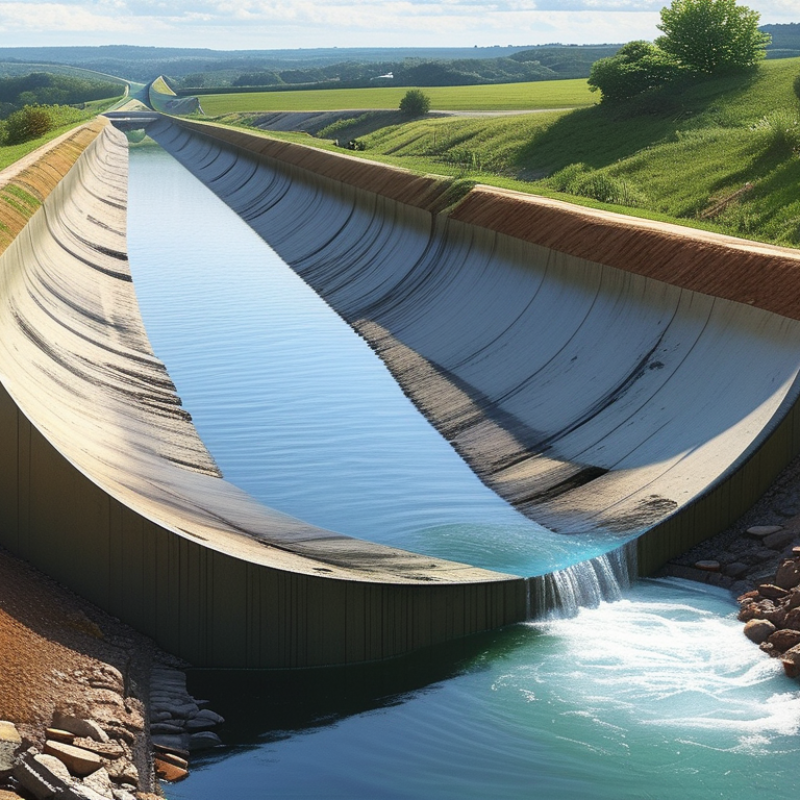
Half culvert pipes are an essential component in drainage systems and infrastructure projects. Their design features a semi-circular cross-section, which allows them to efficiently manage water flow. These pipes are often made of durable materials such as steel or reinforced concrete, ensuring longevity and resistance to environmental factors. The unique shape helps in channeling water while minimizing erosion along the banks.
In addition to their structural advantages, half culvert pipes are versatile in their applications. They are commonly used in agricultural settings to manage irrigation and drainage. Construction projects also benefit from these pipes, particularly when creating underpasses or redirecting surface runoff. However, selecting the right size and material is crucial. Improper choices can lead to water pooling or ineffective drainage, which may require redesigns or increased maintenance efforts.
While half culvert pipes significantly enhance water management, users must remain vigilant about installation and maintenance. Regular inspections are recommended to ensure they function correctly. This aspect can sometimes be overlooked, leading to unexpected issues. A proactive approach can help prevent costly repairs down the line.
Half culvert pipes are essential components in modern water management systems. They help manage stormwater and reduce flooding risks in urban areas. The materials used in constructing these pipes greatly impact their durability and efficiency. Typical materials include concrete, plastic, and metal. Each material offers distinct advantages depending on the application.
Concrete is a common choice due to its strength and longevity. It can withstand heavy loads, making it suitable for highways and bridges. Research shows that concrete pipes can last over 50 years with proper maintenance. However, they are also heavier and require extensive labor for installation. This can increase project costs and timelines.
Plastic, specifically high-density polyethylene (HDPE), has gained popularity for its lightweight and flexible properties. HDPE pipes are easier to install and can adapt to various soil conditions. The Plastic Pipe Institute reports that HDPE has a lifespan exceeding 100 years. However, they may not be suitable for all locations due to potential susceptibility to UV damage. Metal pipes, typically made of steel or aluminum, offer high strength but can be prone to corrosion. Balancing these materials' pros and cons is vital for effective drainage solutions.
Half culvert pipes serve crucial functions in infrastructure, particularly in managing water flow. They are often utilized in rural and urban settings where water drainage is essential. These pipes come in various sizes to accommodate differing site conditions. According to a report by the American Society of Civil Engineers, nearly 30% of roads in the U.S. face serious drainage issues. This statistic underscores the importance of effective culvert applications.
One typical application is in flood mitigation. Half culvert pipes can channel excess rainwater away from roadways and residential areas. They help prevent water accumulation during storms. Many municipalities adopt these structures to protect road surfaces and maintain safety. A recent study indicated that proper drainage systems can reduce road maintenance costs by up to 40%.
Additionally, half culvert pipes find use in wildlife crossings. By allowing animals to pass under roads, they reduce vehicle-animal collisions. This initiative not only enhances road safety but also promotes biodiversity. However, the design of these crossings is often overlooked. Engineers must carefully analyze wildlife patterns to maximize effectiveness. Proper planning is essential for these applications to succeed.
Half culvert pipes are increasingly being chosen for various infrastructure projects. One of their main advantages is their reduced material cost. Since they require less material than traditional culverts, they can lead to significant cost savings. This is especially important in projects with tight budgets.
Additionally, half culvert pipes are often lighter and easier to handle. Their design allows for simpler installation processes. Crews can set them up quickly, reducing labor time. This means projects can be completed faster, which is a boon for project timelines. Moreover, their half-circle shape can enhance water flow.
Still, it's important to consider some limitations. Half culverts may not be suitable for very high water flow areas. Engineers must analyze the specific site conditions. Choosing the right type of culvert can be complex. Design and environmental factors play a crucial role in these decisions. Overall, the benefits are clear, but proper assessment is key.
| Dimension | Half Culvert Pipe | Traditional Culvert |
|---|---|---|
| Material | High-density polyethylene (HDPE) | Reinforced concrete / Steel |
| Weight | Lighter, easier to handle | Heavier, requires machinery for installation |
| Installation Cost | Generally lower due to ease of handling | Higher due to labor and machinery costs |
| Lifespan | Up to 50 years with proper maintenance | 30-100 years depending on conditions |
| Environmental Impact | Lower due to recyclable materials | Higher due to heavy raw materials |
Half culvert pipes serve as vital components in water management systems. Their installation requires specific considerations to ensure efficiency and longevity. Proper planning is essential before installation. Assessing the site and understanding local drainage needs can make a significant difference.
Maintenance is crucial for half culvert pipes. Regular inspections can identify signs of wear, sediment buildup, or damage. These issues can lead to larger problems if not addressed promptly. During inspections, check for blockages caused by debris or vegetation. Keeping the pipes clear will enhance their performance.
Tips: Always document inspection findings. This helps track any recurring issues. When replacing or repairing, use materials that match the original specifications. Doing so ensures compatibility and durability. Regular maintenance leads to better functionality of the entire drainage system.
This chart illustrates the different applications of half culvert pipes and their respective usage percentages. Understanding these applications can help in planning for infrastructure projects as well as in maintenance considerations.
„Thanks to the LUVIR technology, the solder resist process could be switched directly from the previously used mask exposure to direct exposure. As an outstanding digital solution on the market, this technology has been able to demonstrate fast process times and superior quality on our certified conventional ink in production. This allowed us to fully digitize the solder mask process at low cost – without process or ink adjustments. An excellent benefit to our production in Rot am See.“
Ralf Göhringer (Head of Production WE Rot am See)
I would definitely recommend the Limata machine and team for a future company purchase
Michael Greenaway
Compunetics Inc.
“The Limata ldi has been amazing!! Best thing we did was buy this machine”
Richard Brady
GM
Circuitlabs
“Since 2019, we have been running the Limata X1000 LDI system (including LUVIR for solder mask imaging) in daily production as an addition to our current process with film. The machine was capable of properly exposing Taiyo PSR-4000 BN (DI) solder mask types on normal to high-copper boards using a new and unique direct imaging process. The machine operating interface is very user friendly which allowed for a quick technical training curve. The pre-registration processing reduced several seconds of production time at every print. Limata support and service staff is incomparable. They supported our team every step of the way at basically any time of the day or night, with literally, an immediate response time, customizing the software interface to best fit our Operations and needs.
We have exposed more than 8,000 prints since end of October, on various solder mask colors and some resist film panels. Limata, has proven to be very capable and innovative. They are a strong contender in the industry.
We have very much enjoyed this project, and working with the team!
Thank you Limata for the continued support and being a part of our growth.”
Bill Sezate
Vice President, GM
Summit Interconnect
As a replacement to our current contact exposure process with film, the LIMATA X2000 system including LUVIR-Technology was capable of properly exposing non-LDI solder mask types using a direct imaging process. The machine offers cutting edge software with a very intuitive operating interface which allowed for quick technician training curve. The dual drawer system combined with pre-registration processing reduced several seconds of production time at every machine cycle. Limata support and service staff is world class. They added software patches to keep production running at shortest possible response times, customized the software interface to best fit our in-house Operations system, and even wrote a step-by-step machine processing manual. As a result of the project, we have exposed more than 16,000 times on various product types and solder mask brands/colors. Limata, in a very short timeframe as a company, has definitely shown they are truly innovative and will be challenging the industry of direct imaging for the top spot.
Kevin Beattie
Process Engineer
TTM Technologies
Forest Grove Division
