The Handkerchief Making Machine plays a crucial role in today's textile industry. This specialized equipment streamlines the production of handkerchiefs with precision and efficiency. According to industry expert, John Peterson, "The Handkerchief Making Machine has revolutionized how we produce these everyday items." His insight underscores the machine's significance in manufacturing.
This technology combines advanced mechanisms to cut, sew, and finish handkerchiefs seamlessly. The process typically involves feeding fabric into the machine, where it is shaped and crafted into its final form. Each stage is designed to ensure consistency and quality, which are hallmarks of modern textile manufacturing. As with any technology, challenges remain. Operators must stay vigilant to maintain the machine’s peak performance.
Adopting a Handkerchief Making Machine can greatly enhance production capabilities. Yet, businesses need to evaluate their specific needs carefully. Not all machines are created equal, and misalignment can lead to inefficiencies. It’s essential to reflect on how well this equipment fits into existing operations. Balancing innovation with practicality is key to achieving the best results in handkerchief production.
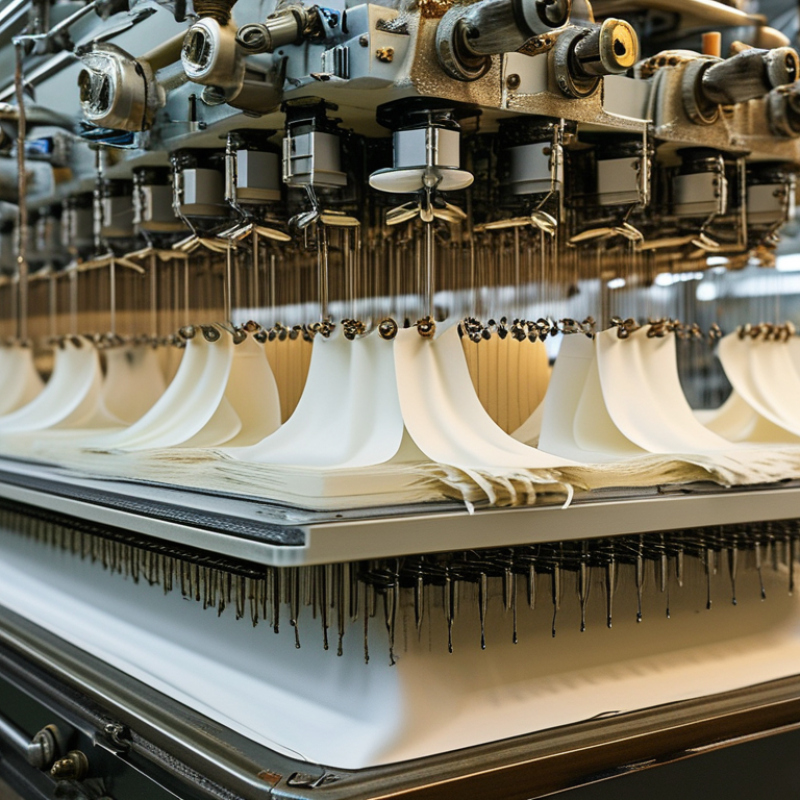
A handkerchief-making machine is a specialized device designed to produce handkerchiefs efficiently. These machines can automate various processes involved in handkerchief production, such as cutting, stitching, and folding. Typically, they are equipped with advanced technology to ensure high precision. The use of such machines can significantly reduce labor costs and production time.
The machine operates by feeding fabric into different sections for processing. The fabric is cut to the desired dimensions. Next, it goes through stitching, where edges are sewn to prevent fraying. Some machines can even add decorative patterns or borders. This capability allows for a wide variety of designs and styles. However, ensuring consistent quality can be a challenge, as slight deviations in fabric can affect the final product. Operators must regularly inspect the fabric and machine settings to maintain quality standards.
While the efficiency of handkerchief-making machines is impressive, they require skilled personnel for operation and maintenance. Knowledge of different fabric types and sewing techniques is essential. Additionally, regular maintenance is crucial to avoid breakdowns. Users sometimes overlook this aspect, leading to unexpected downtimes. Therefore, it’s vital to combine technology with proper training to maximize productivity and maintain high-quality output in handkerchief production.
A handkerchief making machine is an intricate device designed for mass production. Understanding its key components reveals the complexity involved. The machinery typically includes a fabric feeding system, cutting mechanisms, stitching modules, and folding units. Each part plays a critical role in ensuring a seamless production line.
The fabric feeding system ensures a steady flow of material. Precision is essential here; improper feeding can lead to material waste. Industry reports indicate that efficient feeding can reduce waste by up to 30%.
Cutting mechanisms are equally crucial. They should be sharp and precise, as uneven cuts directly affect product quality. In the world of fabric production, stability and consistency are vital metrics for success.
The stitching module integrates advanced technology, allowing for different stitching styles. Automated stitching can enhance speed and reduce labor costs. Folding units come next, making sure each handkerchief is neatly packaged. Reports show that automation in these areas can increase overall output by 25% or more. In the competitive textile industry, such efficiencies are necessary. However, these machines require regular maintenance to prevent downtime. A small oversight can lead to costly production halts.
The manufacturing process of a handkerchief making machine involves several key stages. Initially, the fabric is chosen based on texture and absorbency. Common materials include cotton and linen. Once selected, the fabric is carefully fed into the machine. Precise tension is crucial at this point. Any misalignment can lead to defects.
Next, cutting takes place. The machine uses sharp blades to create rectangular pieces. Operators must monitor this step closely to ensure quality. After cutting, the edges are often hemmed. This prevents fraying. It is a meticulous process that requires attention to detail. Even minor errors can affect the final product.
Finally, the handkerchiefs undergo quality control. Each piece is inspected for flaws. This step is vital for maintaining standards. Imperfections may arise, and workers must address them. Not every batch meets the ideal criteria. However, this reflective practice helps improve future production. The handkerchief making machine combines speed with craftsmanship, producing essentials used worldwide.
Quality control in handkerchief production is crucial for maintaining industry standards. Each stage of manufacturing must comply with specific guidelines. This ensures that every handkerchief that comes off the production line meets customer expectations. Factors like fabric quality, stitching, and design are closely monitored.
During production, materials are tested for durability and softness. Inspectors check for defects in the fabric and stitching. Attention to detail is vital, as even a small flaw can affect usability. Manufacturers also need to ensure that colors remain consistent and vibrant throughout the production. Training staff involves sharing best practices to minimize errors on the factory floor.
Despite strict standards, challenges arise. Variations in natural fibers can lead to inconsistent quality. Additionally, machinery may not always perform reliably. Such imperfections require ongoing reflection and improvement. A production line may run smoothly one day, and face issues the next. Regular assessments and adaptations to processes are necessary to maintain high quality. Striving for excellence in handkerchief production is an ongoing journey rather than a destination.
The demand for handkerchiefs in the textile industry is witnessing a notable resurgence. These small cloth pieces are versatile and eco-friendly. Many consumers prefer them over disposable options due to their sustainability. This trend highlights a shift toward more responsible consumption habits.
Market trends indicate that handkerchiefs are increasingly viewed as fashion accessories. Designers are incorporating unique patterns and colors into their collections. This has sparked interest among younger generations. Despite the competition from paper products, quality fabric handkerchiefs are gaining attention. Their appeal lies in both functionality and style.
However, concerns about production sustainability remain. The textile industry faces scrutiny over waste and environmental impact. Manufacturers need to adopt better practices. Innovation in handkerchief making machines can play a crucial role in this transition. Automation may lead to efficiency but raises questions about labor costs and job displacement. Balancing these factors will be vital for future growth in the handkerchief market.
„Thanks to the LUVIR technology, the solder resist process could be switched directly from the previously used mask exposure to direct exposure. As an outstanding digital solution on the market, this technology has been able to demonstrate fast process times and superior quality on our certified conventional ink in production. This allowed us to fully digitize the solder mask process at low cost – without process or ink adjustments. An excellent benefit to our production in Rot am See.“
Ralf Göhringer (Head of Production WE Rot am See)
I would definitely recommend the Limata machine and team for a future company purchase
Michael Greenaway
Compunetics Inc.
“The Limata ldi has been amazing!! Best thing we did was buy this machine”
Richard Brady
GM
Circuitlabs
“Since 2019, we have been running the Limata X1000 LDI system (including LUVIR for solder mask imaging) in daily production as an addition to our current process with film. The machine was capable of properly exposing Taiyo PSR-4000 BN (DI) solder mask types on normal to high-copper boards using a new and unique direct imaging process. The machine operating interface is very user friendly which allowed for a quick technical training curve. The pre-registration processing reduced several seconds of production time at every print. Limata support and service staff is incomparable. They supported our team every step of the way at basically any time of the day or night, with literally, an immediate response time, customizing the software interface to best fit our Operations and needs.
We have exposed more than 8,000 prints since end of October, on various solder mask colors and some resist film panels. Limata, has proven to be very capable and innovative. They are a strong contender in the industry.
We have very much enjoyed this project, and working with the team!
Thank you Limata for the continued support and being a part of our growth.”
Bill Sezate
Vice President, GM
Summit Interconnect
As a replacement to our current contact exposure process with film, the LIMATA X2000 system including LUVIR-Technology was capable of properly exposing non-LDI solder mask types using a direct imaging process. The machine offers cutting edge software with a very intuitive operating interface which allowed for quick technician training curve. The dual drawer system combined with pre-registration processing reduced several seconds of production time at every machine cycle. Limata support and service staff is world class. They added software patches to keep production running at shortest possible response times, customized the software interface to best fit our in-house Operations system, and even wrote a step-by-step machine processing manual. As a result of the project, we have exposed more than 16,000 times on various product types and solder mask brands/colors. Limata, in a very short timeframe as a company, has definitely shown they are truly innovative and will be challenging the industry of direct imaging for the top spot.
Kevin Beattie
Process Engineer
TTM Technologies
Forest Grove Division
