In today's competitive market, packaging plays a crucial role in attracting customers. Holographic Film has emerged as a popular choice for various packaging needs. Its vibrant colors and eye-catching designs can transform ordinary products into visually stunning items. This unique film creates a striking three-dimensional effect that captivates consumers.
However, not all holographic films are created equal. The quality of the film can vary significantly. Brands must carefully choose reliable suppliers to ensure top-notch packaging. There are unique applications for Holographic Film beyond aesthetic appeal. For instance, this film can enhance brand recognition and convey a sense of luxury. It also offers a level of protection against tampering and counterfeiting.
Choosing the right packaging solution requires consideration of multiple factors. While Holographic Film offers visual benefits, cost and functionality must be balanced. To stand out in a crowded marketplace, brands should reflect on their needs and strive for innovative solutions. Selecting the best option can lead to impressive results and brand loyalty.
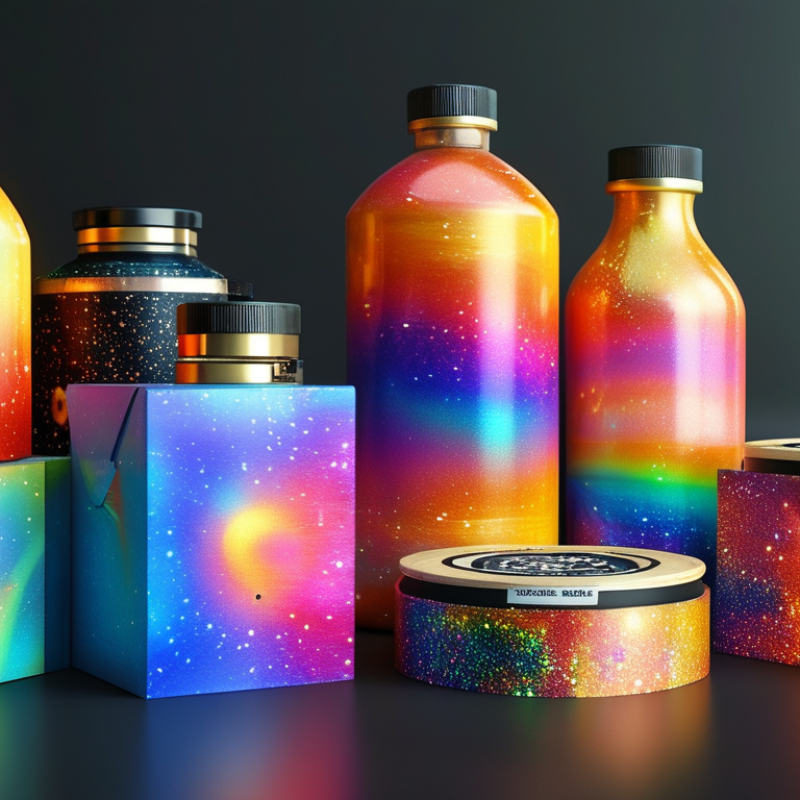
Holographic film is gaining traction as a preferred choice in packaging solutions. Its unique visual appeal captivates consumers, making products stand out on crowded shelves. A study by Smithers Pira indicated that the global holographic film market is expected to reach $4.3 billion by 2026, growing at a CAGR of 5.8%. This growth illustrates the increasing demand for innovative packaging solutions.
The benefits of holographic film extend beyond aesthetics. It offers excellent protection against external elements. Holographic films can resist moisture, UV rays, and physical damage. Research shows that products packaged in holographic films have 30% longer shelf life than those in standard plastic. This added durability is crucial for both brand reputation and customer satisfaction.
However, using holographic film is not without challenges. It can be more expensive than traditional packaging options. Brands must assess their budgets carefully. Sustainability concerns also arise, as some holographic films may not be easily recyclable. Companies are urged to explore eco-friendly alternatives. This balance between durability, cost, and environmental impact can be difficult to navigate. Despite these hurdles, the advantages holographic film offers in branding and protection remain compelling for many businesses.
Holographic film offers distinct advantages over traditional packaging materials. Its eye-catching visuals attract consumers' attention, enhancing brand appeal. Unlike standard films, holographic options provide depth and movement. This unique feature can make products stand out on crowded shelves. For businesses, this means potentially higher sales and consumer engagement.
In contrast, traditional packaging often lacks this vibrant aesthetic. Many standard materials can appear dull or generic. While they may be cost-effective, their visual impact is limited. Additionally, these materials sometimes fail to communicate a brand's essence. On the other hand, holographic film adds an element of sophistication and modernity to products.
However, there are challenges with holographic film. It can be more expensive than traditional options. Some businesses may hesitate due to budget constraints. Furthermore, the recycling process for holographic materials can be less straightforward. This raises concerns for eco-conscious brands. Despite these considerations, the benefits in visual appeal and market differentiation make holographic film a worthy investment for many packaging needs.
Holographic film has gained traction in various industries due to its unique visual effects. In the cosmetics sector, products featuring holographic packaging stand out on shelves. They draw consumers’ attention with eye-catching designs that create a sense of luxury and innovation. Such films enhance brand image and increase perceived value, making them effective for high-end products.
In the food and beverage industry, holographic film helps create engaging packaging that attracts buyers. It enables brands to showcase product freshness and quality through vibrant designs. These films also protect items from UV rays, extending shelf life. But, the environmental impact of holographic materials is a concern. As businesses adopt greener practices, finding sustainable alternatives may be challenging.
The pharmaceutical industry uses holographic film to enhance product security. Custom holographic features act as tamper-evident seals. This reassures customers about product authenticity. However, the high production costs can deter some companies. Reflecting on the balance between security and cost is crucial for effective decision-making in this space.
Holographic packaging is increasingly being recognized for its aesthetic appeal and sustainability benefits. According to a 2022 report by the Sustainable Packaging Coalition, about 73% of consumers prefer eco-friendly packaging options. Holographic films, made from materials like PET, can be recyclable and tailored for reduced environmental impact. However, potential challenges remain. Many holographic films are not commonly recycled in standard facilities, raising questions about their long-term sustainability.
To make responsible choices, consider the source of your holographic materials. Look for suppliers who prioritize environmentally friendly processes. Additionally, think about the end-of-life options for your packaging. Brands should aim for circularity, ensuring that holographic films are recyclable in local programs. A report from Smithers Pira highlights that 40% of consumers would pay more for products with sustainable packaging.
Tips for businesses: Educate your team about sustainable practices. Collaborate with recycling partners to improve material recovery processes. Communicate transparently with consumers about your sustainability efforts. Even small changes can enhance your brand image while contributing positively to the planet. Balancing aesthetics with eco-friendliness may not be easy, but it's a necessary evolution in the packaging industry.
Holographic film technology is evolving rapidly, opening new avenues for packaging. As brands seek differentiation, holographic films stand out, captivating consumers with vibrant visuals. This technology not only enhances aesthetics but also adds a layer of security against counterfeit products. The future of holographic film in packaging looks promising.
Innovations in holographic films are underway. Advances in digital printing allow for customization and unique designs. Brands can tailor their packaging to reflect their identity better. This customization fosters stronger connections with customers. However, the sustainability of these materials poses a challenge. Brands must balance visual appeal with environmental responsibility.
Tips: Consider the visual impact of packaging first. Ensure that your design aligns with your brand message. Don't overlook the importance of sustainability. Research recyclable or biodegradable options in holographic films. Engage with consumers for feedback, as their insights can guide improvements and innovations.
| Feature | Description | Benefits | Future Trends |
|---|---|---|---|
| Visual Appeal | Holographic films create eye-catching designs that enhance product visibility. | Increased consumer attraction and brand differentiation. | Advancements in 3D holography to produce even more stunning displays. |
| Tamper Evidence | Holograms can serve as a security feature that indicates whether a package has been opened. | Enhanced product safety and consumer trust. | Integration with digital tracking for improved security. |
| Sustainability | Many holographic films are now made from recyclable materials. | Reduced environmental impact and improved brand image. | Development of biodegradable holographic materials. |
| Customizability | Holographic films can be customized in shape, size, and design. | Unique packaging solutions that cater to specific branding needs. | Increased software capabilities for personalized designs. |
| Cost-Effectiveness | Holographic films can enhance perceived value at a reasonable price point. | Higher sales with minimal investment in attractive packaging. | Technological advancements expected to reduce production costs. |
„Thanks to the LUVIR technology, the solder resist process could be switched directly from the previously used mask exposure to direct exposure. As an outstanding digital solution on the market, this technology has been able to demonstrate fast process times and superior quality on our certified conventional ink in production. This allowed us to fully digitize the solder mask process at low cost – without process or ink adjustments. An excellent benefit to our production in Rot am See.“
Ralf Göhringer (Head of Production WE Rot am See)
I would definitely recommend the Limata machine and team for a future company purchase
Michael Greenaway
Compunetics Inc.
“The Limata ldi has been amazing!! Best thing we did was buy this machine”
Richard Brady
GM
Circuitlabs
“Since 2019, we have been running the Limata X1000 LDI system (including LUVIR for solder mask imaging) in daily production as an addition to our current process with film. The machine was capable of properly exposing Taiyo PSR-4000 BN (DI) solder mask types on normal to high-copper boards using a new and unique direct imaging process. The machine operating interface is very user friendly which allowed for a quick technical training curve. The pre-registration processing reduced several seconds of production time at every print. Limata support and service staff is incomparable. They supported our team every step of the way at basically any time of the day or night, with literally, an immediate response time, customizing the software interface to best fit our Operations and needs.
We have exposed more than 8,000 prints since end of October, on various solder mask colors and some resist film panels. Limata, has proven to be very capable and innovative. They are a strong contender in the industry.
We have very much enjoyed this project, and working with the team!
Thank you Limata for the continued support and being a part of our growth.”
Bill Sezate
Vice President, GM
Summit Interconnect
As a replacement to our current contact exposure process with film, the LIMATA X2000 system including LUVIR-Technology was capable of properly exposing non-LDI solder mask types using a direct imaging process. The machine offers cutting edge software with a very intuitive operating interface which allowed for quick technician training curve. The dual drawer system combined with pre-registration processing reduced several seconds of production time at every machine cycle. Limata support and service staff is world class. They added software patches to keep production running at shortest possible response times, customized the software interface to best fit our in-house Operations system, and even wrote a step-by-step machine processing manual. As a result of the project, we have exposed more than 16,000 times on various product types and solder mask brands/colors. Limata, in a very short timeframe as a company, has definitely shown they are truly innovative and will be challenging the industry of direct imaging for the top spot.
Kevin Beattie
Process Engineer
TTM Technologies
Forest Grove Division
