A steel structure looks simple on a drawing, but the choices made at the design stage quietly set the budget for everything that follows. Many teams focus on the price per ton of steel. In practice, fabrication hours and installation time often move the final number more than the material itself. A few early decisions can save weeks on site and a good deal of money.
Fabrication cost depends on how much work each piece needs. A column with ten different plates and a dozen odd cuts takes far more labor than a clean section with standard connections.
Repetition helps a lot. If a warehouse uses the same frame spacing and the same member sizes throughout, the shop can set up jigs once and run parts quickly. Mixed sizes slow everything down, and each change means new setup time.
Connection details deserve a close look as well. Bolted joints usually cost less than complex field welds. They also need less skilled labor on site. Shop welding is cheaper than field welding because the conditions are controlled, so it makes sense to do as much welding in the shop as you can.
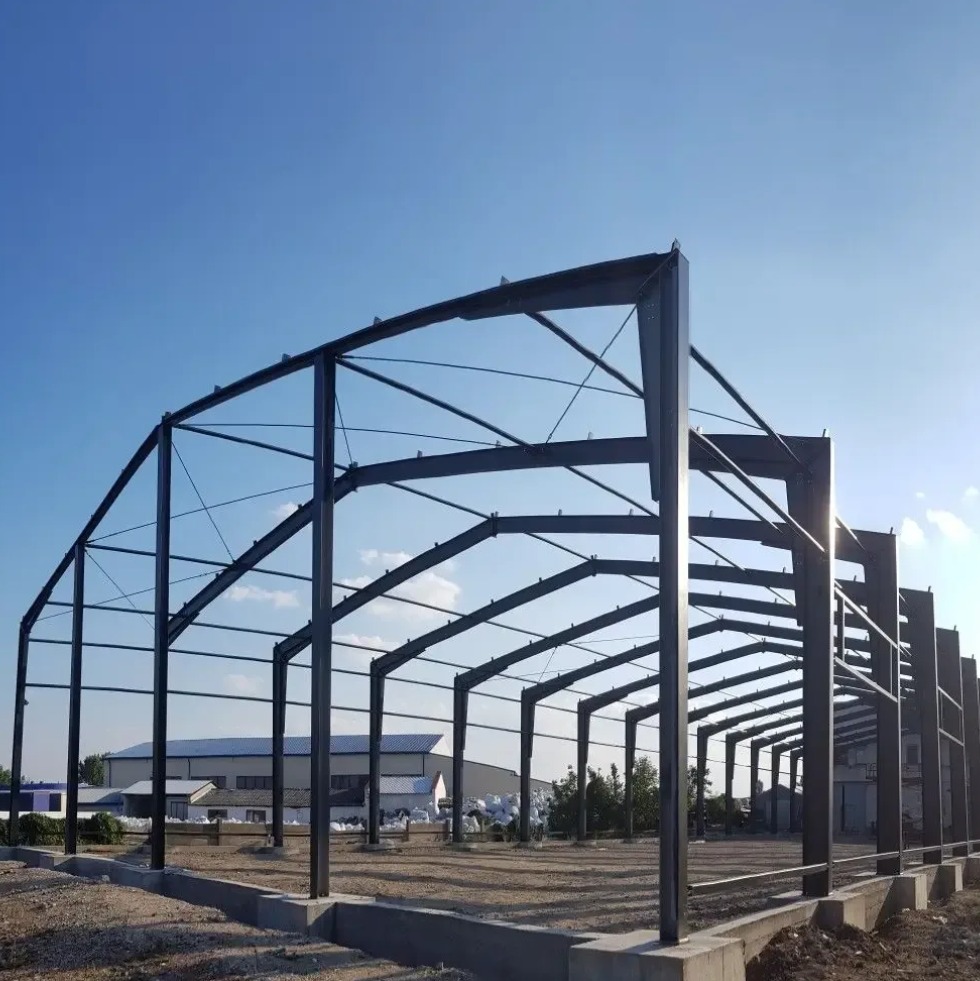
Material grade matters too. Higher-strength steel can cut weight, but it costs more per ton and can be harder to source. For a simple workshop with moderate loads, standard grades often give the best overall value.
Once the parts reach the site, the design decides how smoothly the erection goes. Piece size is a good example. Large assemblies cut the number of lifts, but they need bigger cranes and wider access roads. Smaller pieces are easier to move, though they add more bolting work.
Think about weight and lifting plans early. If the crane is already booked for a certain radius, the design should respect it. Changing member sizes late in the process usually costs more than getting it right the first time.
Clear connection points also speed things up. Crews work faster when bolt holes line up and members fit without force. Good detailing prevents rework, and rework is one of the biggest hidden costs on any steel structure project.
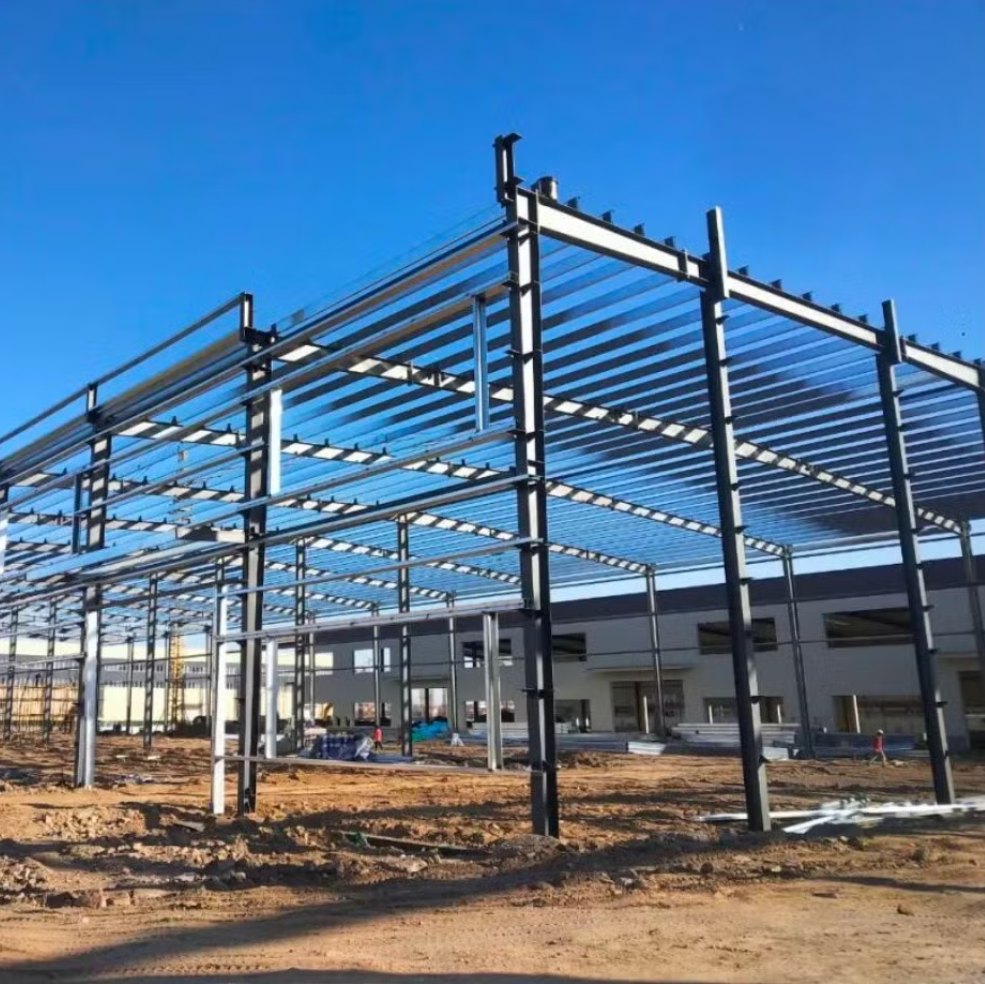
Transport is another factor. Pieces that fit standard containers or trucks save shipping fees, especially for overseas deliveries. A beam that is a few centimeters too long can force a costly oversize load.
The best savings come from talking before the design is final. When engineers, fabricators, and site teams share their views early, small problems get fixed on paper instead of in the field.
Ask a few practical questions. Can the span be adjusted to match standard member lengths? Can the layout reduce the number of unique parts? Will the site conditions allow the planned erection method? Each answer can trim cost without hurting performance.
It also helps to compare options with real numbers. A slightly heavier design might cost less overall if it needs fewer connections and less labor. Looking only at tonnage can hide that.
If you are planning a steel structure project and want to compare design options, feel free to share your drawings or basic requirements. We are happy to review them and give an honest view on fabrication and installation costs. Sending your span, building use, and location is usually enough to start the conversation.
„Thanks to the LUVIR technology, the solder resist process could be switched directly from the previously used mask exposure to direct exposure. As an outstanding digital solution on the market, this technology has been able to demonstrate fast process times and superior quality on our certified conventional ink in production. This allowed us to fully digitize the solder mask process at low cost – without process or ink adjustments. An excellent benefit to our production in Rot am See.“
Ralf Göhringer (Head of Production WE Rot am See)
I would definitely recommend the Limata machine and team for a future company purchase
Michael Greenaway
Compunetics Inc.
“The Limata ldi has been amazing!! Best thing we did was buy this machine”
Richard Brady
GM
Circuitlabs
“Since 2019, we have been running the Limata X1000 LDI system (including LUVIR for solder mask imaging) in daily production as an addition to our current process with film. The machine was capable of properly exposing Taiyo PSR-4000 BN (DI) solder mask types on normal to high-copper boards using a new and unique direct imaging process. The machine operating interface is very user friendly which allowed for a quick technical training curve. The pre-registration processing reduced several seconds of production time at every print. Limata support and service staff is incomparable. They supported our team every step of the way at basically any time of the day or night, with literally, an immediate response time, customizing the software interface to best fit our Operations and needs.
We have exposed more than 8,000 prints since end of October, on various solder mask colors and some resist film panels. Limata, has proven to be very capable and innovative. They are a strong contender in the industry.
We have very much enjoyed this project, and working with the team!
Thank you Limata for the continued support and being a part of our growth.”
Bill Sezate
Vice President, GM
Summit Interconnect
As a replacement to our current contact exposure process with film, the LIMATA X2000 system including LUVIR-Technology was capable of properly exposing non-LDI solder mask types using a direct imaging process. The machine offers cutting edge software with a very intuitive operating interface which allowed for quick technician training curve. The dual drawer system combined with pre-registration processing reduced several seconds of production time at every machine cycle. Limata support and service staff is world class. They added software patches to keep production running at shortest possible response times, customized the software interface to best fit our in-house Operations system, and even wrote a step-by-step machine processing manual. As a result of the project, we have exposed more than 16,000 times on various product types and solder mask brands/colors. Limata, in a very short timeframe as a company, has definitely shown they are truly innovative and will be challenging the industry of direct imaging for the top spot.
Kevin Beattie
Process Engineer
TTM Technologies
Forest Grove Division