In the world of machinery, choosing the right Machine Lube Oil is crucial. According to industry expert John Anderson, “The right lubrication can extend your machine's life significantly.” Selecting the best oil requires understanding your equipment's specific needs. Different machines have various lubrication requirements based on operating conditions and environments.
Many users overlook the unique characteristics of Machine Lube Oil. Factors such as viscosity, temperature stability, and additive packages impact a machine’s performance. For example, a high-viscosity oil might be necessary for heavy-duty applications, while lighter oils are better for precision equipment. Misjudging these factors can lead to costly breakdowns or reduced efficiency.
It's essential to gather information and seek expert advice when selecting Machine Lube Oil. However, even experienced users can make mistakes due to a lack of clarity in product specifications. Being open to learning and adapting helps prevent these errors. When you invest time into understanding your machines, you also improve their reliability and longevity.
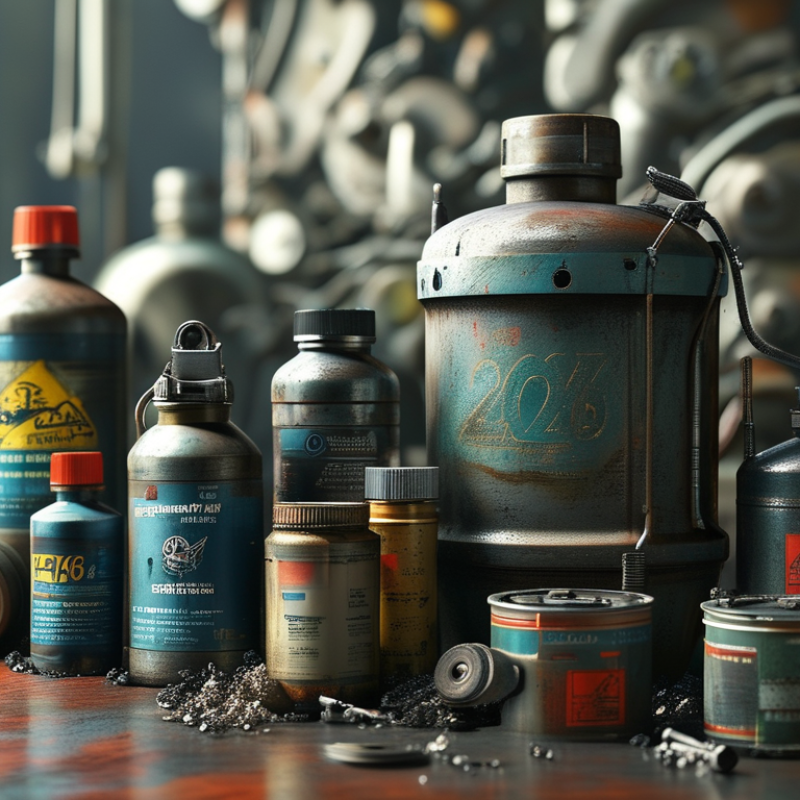
When choosing machine lube oil, it is essential to understand the different types available. There are mineral oils, synthetic oils, and bio-based oils, each serving unique functions. Mineral oils, derived from crude oil, are the most common. They are economical and provide basic lubrication. However, they may not perform well under extreme conditions.
Synthetic oils, on the other hand, are engineered for specific performance characteristics. They offer superior lubrication, better oxidation stability, and higher temperature resistance. This makes them suitable for high-performance machinery. Yet, they can be more expensive. On the other hand, bio-based oils are eco-friendly but may need more research and testing for specific applications.
Selecting the right lube oil also requires consideration of viscosity, temperature, and application. Viscosity affects flow and lubrication properties. Too thick oil can hinder machinery performance, while too thin oil can cause wear. Furthermore, operating temperatures play a significant role in oil performance. Choosing the wrong oil could lead to equipment failures and costly downtime. It’s crucial to match the oil characteristics with machinery requirements.
Choosing the right machine lube oil is crucial for maintaining equipment efficiency. Several key factors play a significant role in this selection process. Viscosity is one of the most important considerations. Oil with the correct viscosity ensures optimal lubrication and helps prevent wear and tear on machinery. According to a 2022 industry survey, nearly 38% of equipment failures are linked to improper lubrication caused by wrong viscosity selection.
Another vital factor is the oil's additive package. Additives can enhance oxidation stability, reduce foam, and prevent sludge buildup. A report from the Machinery Lubrication Journal notes that using high-quality additives can increase equipment lifespan by up to 30%. However, not all additive packages suit every application. It's essential to analyze the specific operational environment of your machinery.
Lastly, environmental conditions cannot be overlooked. Factors such as operating temperature, humidity, and potential exposure to contaminants should influence your oil choice. For instance, high temperatures may necessitate synthetic oils, which perform better under extreme conditions. Being aware of these factors can lead to more informed decisions. Reflecting on your equipment's needs will ensure reliable performance and longevity.
When it comes to selecting machine lube oil, viscosity ratings play a crucial role. Viscosity determines how well the oil flows at different temperatures. Low viscosity oils are thinner and flow easily, making them ideal for cold environments. High viscosity oils are thicker and can protect better at high temperatures. Finding the right viscosity is essential for machine performance.
Think about your specific needs. Operating conditions matter. For example, a high-temperature environment may require a higher viscosity oil. Conversely, in colder settings, a lower viscosity option could improve performance. It’s important to review the equipment’s specifications carefully. This ensures you select the most suitable product.
Tips for choosing lube oil: always consult your machine’s manual for recommended viscosity. Don’t ignore ambient temperatures. They significantly affect oil performance. Also, consider how often you’ll need to change the oil. Regular maintenance is key to machine longevity. Understanding viscosity ratings empowers better decision-making for lasting machine health.
When choosing machine lube oils, understanding industry standards and certifications is crucial. These benchmarks ensure products meet specific requirements for performance and safety. Look for certifications such as ISO and ASTM. They indicate that the oil has undergone rigorous testing. Compliance with these standards can significantly enhance equipment longevity.
Analyses show that not all oils claiming to meet standards actually do. This can lead to costly repairs or equipment failure. It's critical to read labels carefully. Certifications assure quality, but not every product will carry them. Sometimes, even well-known brands might overlook specific requirements, leading to questionable performance.
Testing oil under real conditions can provide insights into its effectiveness. Lubrication needs vary widely across applications. What works for one machine may not suit another. Regularly reviewing your choice based on updated standards can ensure ongoing compatibility.
When selecting machine lube oils, balancing cost with quality is crucial. A recent industry report indicated that improper lubrication can increase machinery wear by 42%. This highlights the importance of a good quality lube oil. Cheaper oils may seem appealing initially but can lead to higher maintenance costs.
High-quality oils often contain additives that enhance performance. They reduce friction and prevent corrosion effectively. Studies show that using superior lube oil can extend equipment life by 30%. However, it's essential to remember that not all expensive oils guarantee the best results. Always consider the oil's specification for your machinery.
Sometimes, cost-effective options may outperform pricier brands. Regular monitoring and analysis of lube oil performance are vital. Look for oils that meet industry standards while fitting your budget. Finding the balance between cost and quality demands thorough research. You may need to reflect on past choices and make adjustments based on performance data.
„Thanks to the LUVIR technology, the solder resist process could be switched directly from the previously used mask exposure to direct exposure. As an outstanding digital solution on the market, this technology has been able to demonstrate fast process times and superior quality on our certified conventional ink in production. This allowed us to fully digitize the solder mask process at low cost – without process or ink adjustments. An excellent benefit to our production in Rot am See.“
Ralf Göhringer (Head of Production WE Rot am See)
I would definitely recommend the Limata machine and team for a future company purchase
Michael Greenaway
Compunetics Inc.
“The Limata ldi has been amazing!! Best thing we did was buy this machine”
Richard Brady
GM
Circuitlabs
“Since 2019, we have been running the Limata X1000 LDI system (including LUVIR for solder mask imaging) in daily production as an addition to our current process with film. The machine was capable of properly exposing Taiyo PSR-4000 BN (DI) solder mask types on normal to high-copper boards using a new and unique direct imaging process. The machine operating interface is very user friendly which allowed for a quick technical training curve. The pre-registration processing reduced several seconds of production time at every print. Limata support and service staff is incomparable. They supported our team every step of the way at basically any time of the day or night, with literally, an immediate response time, customizing the software interface to best fit our Operations and needs.
We have exposed more than 8,000 prints since end of October, on various solder mask colors and some resist film panels. Limata, has proven to be very capable and innovative. They are a strong contender in the industry.
We have very much enjoyed this project, and working with the team!
Thank you Limata for the continued support and being a part of our growth.”
Bill Sezate
Vice President, GM
Summit Interconnect
As a replacement to our current contact exposure process with film, the LIMATA X2000 system including LUVIR-Technology was capable of properly exposing non-LDI solder mask types using a direct imaging process. The machine offers cutting edge software with a very intuitive operating interface which allowed for quick technician training curve. The dual drawer system combined with pre-registration processing reduced several seconds of production time at every machine cycle. Limata support and service staff is world class. They added software patches to keep production running at shortest possible response times, customized the software interface to best fit our in-house Operations system, and even wrote a step-by-step machine processing manual. As a result of the project, we have exposed more than 16,000 times on various product types and solder mask brands/colors. Limata, in a very short timeframe as a company, has definitely shown they are truly innovative and will be challenging the industry of direct imaging for the top spot.
Kevin Beattie
Process Engineer
TTM Technologies
Forest Grove Division
