Choosing a China-based Stacking Machine manufacturer requires more than comparing prices. It requires evidence.
The International Federation of Robotics reported 541,302 industrial robots were installed worldwide in 2023. China accounted for more than half of those installations. This figure shows strong manufacturing capacity, but it does not prove that every supplier can build a reliable palletizing or case-stacking system. Factory experience still matters.
A suitable manufacturer should demonstrate stable handling of your cartons, bags, trays, or drums. Ask for cycle-time records, product-changeover videos, safety documentation, and references from similar plants. A real test should include uneven cartons, dusty surfaces, and frequent format changes. Clean showroom demonstrations are not enough.
Packaging automation specialist John Dulchinos has emphasized that automation should solve a business problem, rather than simply add technology. That principle is useful here. The lowest quotation may hide weak software support, difficult spare-parts access, or expensive commissioning delays. The cheapest machine can become the costliest decision.
PMMI industry research continues to identify labor shortages, productivity pressure, and flexible production as major drivers of packaging automation. Therefore, buyers should examine more than speed. Check robot brand, gripper design, control-system compatibility, remote diagnostics, training, and after-sales response times. These details often decide whether a Stacking Machine performs well after installation.
No supplier is perfect. Even strong manufacturers may have limited experience with unusual products. A careful buyer should compare verified data, visit a working customer site, and request a practical acceptance test before signing.
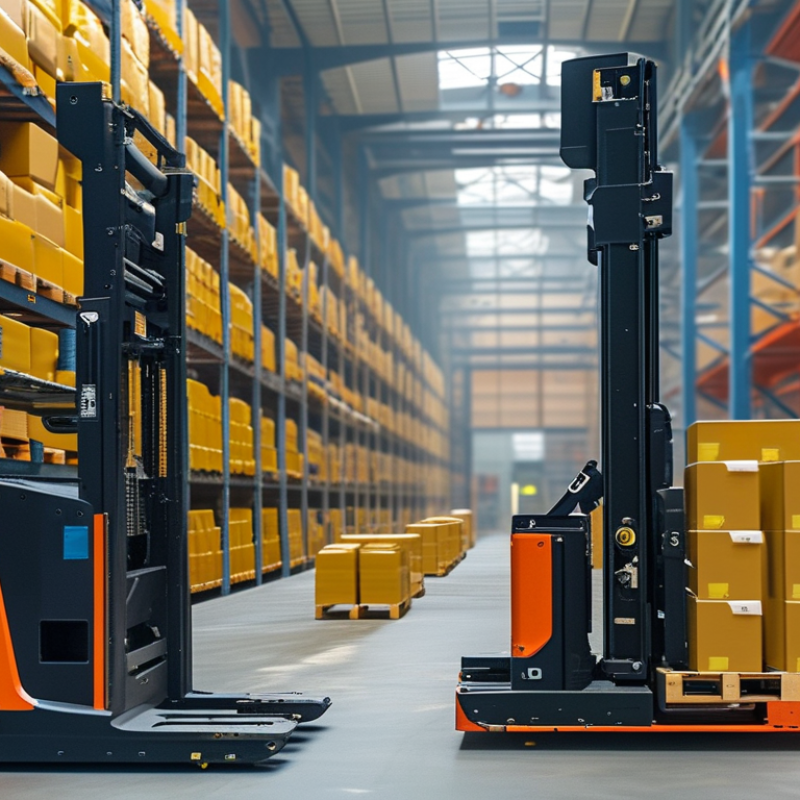
A stacking machine, often called a palletizer, arranges cartons, bags, cases, or trays into stable layers. Products move along a conveyor. Sensors detect their position and spacing. A PLC then controls stops, pushers, robotic arms, or gantry movements. The machine forms a planned pattern before placing each layer on a pallet. Some systems use vacuum heads, while others use mechanical grippers. The choice depends on package material, weight, surface, and required speed.
The market is moving toward automated handling. MarketsandMarkets reported that the palletizing robots market could grow from about USD 2.4 billion in 2023 to USD 3.8 billion by 2028. PMMI’s packaging automation research also identifies labor availability and production flexibility as major investment drivers. These figures matter, but they do not replace a factory trial. A machine that stacks light cartons well may struggle with dusty bags or unstable cases. Small details matter.
When evaluating Chinese stacking machine manufacturers, request a recorded test using your actual products. Check layer accuracy, changeover time, pallet detection, guarding, emergency stops, and control-system documentation. Ask for cycle data under continuous operation, not only peak speed. The specification is rarely perfect at first. I would not trust a brochure alone. Also examine installation support, spare-parts response, training, and remote diagnostics. A practical acceptance test should measure damaged packages, uneven layers, noise, and recovery after a sensor fault. These details reveal engineering quality more clearly than polished photographs.
China produces several stacking machine types for warehouses, factories, and distribution lines. Palletizing machines arrange cartons, bags, bottles, or boxes onto pallets. Layer palletizers build complete layers with accurate, repeated movements. Robotic palletizers use programmable arms and grippers for mixed product sizes. Case stackers handle sealed cartons, while bag stackers manage grain, chemicals, feed, and other flexible packages. Some manufacturers also make depalletizers for unloading incoming goods.
The right type depends on product weight, packaging shape, line speed, and available floor space. A layer palletizer suits stable cartons and high-volume production. A robotic model offers more flexibility when packaging changes frequently. Mechanical systems can be easier to maintain, but they may need more adjustment. Specifications often look impressive. Real performance still depends on testing.
Tips: Request a sample-product trial before purchasing. Check stacking accuracy after several hours of continuous operation. Ask about spare parts, software access, operator training, and response times. Confirm whether the machine supports your pallet dimensions and local electrical requirements. Inspect guarding, emergency stops, sensors, and documentation. A low purchase price can hide installation delays or difficult maintenance. I have found that small details, such as gripper changes and conveyor height, can affect daily output more than expected.
Choosing a stacking machine manufacturer requires more than comparing prices. Start with your product, pallet size, load weight, and required stacking height. A capable manufacturer should explain how its machine handles cartons, bags, or irregular packages. Ask for cycle-time data from a setup similar to yours. General claims are not enough. Request layout drawings, test videos, and clear technical specifications. The supplier should also discuss sensors, guarding, emergency stops, and applicable safety requirements.
Tips: Visit the factory if possible. Watch a machine running under realistic conditions, not an empty demonstration. Check weld quality, cable protection, frame stability, and control-panel organization. Ask how spare parts are stocked and how quickly technical support responds. Speak with existing customers about downtime, installation, training, and maintenance. A low quotation may hide expensive changes later. I would also request a written acceptance test before placing the order.
Experience matters, but it can create blind spots. A familiar machine may not suit a new product or faster production line. Compare energy use, floor space, software flexibility, and future expansion costs. Reliable manufacturers welcome detailed questions and admit practical limitations. Be cautious when every answer sounds perfect. The best choice is usually the supplier that documents its advice, tests the equipment carefully, and supports the machine after delivery. Small details matter.
Evaluating China’s top stacking machine manufacturers requires more than comparing catalog prices. Start with your product details: carton dimensions, pallet layout, load weight, required speed, and available floor space. A capable manufacturer should explain how the machine handles variations, not only show its highest cycle rate. Ask for a video test using cartons similar to yours. Better still, arrange a factory acceptance test with your actual products.
Inspect the engineering process closely. Review the conveyor design, gripper or robotic system, control components, guarding, and emergency-stop layout. Request performance data under continuous operation, including stacking accuracy and recovery after a fault. Small details matter. A neat control cabinet often reflects disciplined assembly, although appearances can mislead. Check quality records, operator training, inspection procedures, and relevant safety documentation. Confirm whether the manufacturer can provide drawings, manuals, spare parts, and remote troubleshooting in your working language.
Service reliability deserves equal attention. Ask for response times, installation support, warranty limits, and technician availability in your region. Speak with several existing customers, preferably those handling comparable loads. Their experience may reveal delays that brochures never mention. Calculate the complete cost, including shipping, installation, integration, maintenance, energy use, and possible downtime. A lower quotation can become expensive after repeated adjustments. I would also leave room for uncertainty; production conditions change, and no test perfectly represents every factory. The strongest supplier communicates these limitations clearly and offers practical solutions.
China Top Stacking Machine Manufacturers: How to Choose?
When comparing stacking machine quotes, do not judge the lowest price first. Request an identical specification from every supplier. Include pallet size, load weight, stacking height, cycle rate, and product dimensions. A quote missing these details is difficult to trust. Ask for the machine layout and a clear list of included components. Small exclusions can become expensive later.
Service quality often appears in ordinary details. Check whether engineers can support installation remotely or on site. Ask for response times, spare-parts availability, warranty coverage, and maintenance training. A reliable supplier should explain common faults in practical language. Request customer references from similar industries. A polished presentation is not proof of strong support.
Delivery terms deserve careful comparison. Confirm the manufacturing schedule, factory acceptance test, packing method, and shipping responsibility. Clarify whether the price includes export packing, commissioning, and operator training. Compare Incoterms only when you understand the added costs. A promised six-week delivery may exclude testing or port delays. That difference matters.
Do not ignore quality evidence. Review welds, safety guarding, sensors, control cabinets, and software functions during a video inspection. Ask for test records using your actual pallet pattern. Some suppliers may agree to every request too quickly. That can be a warning sign. I would rather accept a realistic limitation than a perfect promise that later changes. Mistakes still happen, so written responsibilities protect both sides.
Recommended evaluation weights for comparing anonymous supplier quotations. Quality and technical fit are prioritized, followed by after-sales service, delivery reliability, total cost, and warranty or spare-parts support. Use the same scoring criteria for every supplier to make the comparison objective.
„Thanks to the LUVIR technology, the solder resist process could be switched directly from the previously used mask exposure to direct exposure. As an outstanding digital solution on the market, this technology has been able to demonstrate fast process times and superior quality on our certified conventional ink in production. This allowed us to fully digitize the solder mask process at low cost – without process or ink adjustments. An excellent benefit to our production in Rot am See.“
Ralf Göhringer (Head of Production WE Rot am See)
I would definitely recommend the Limata machine and team for a future company purchase
Michael Greenaway
Compunetics Inc.
“The Limata ldi has been amazing!! Best thing we did was buy this machine”
Richard Brady
GM
Circuitlabs
“Since 2019, we have been running the Limata X1000 LDI system (including LUVIR for solder mask imaging) in daily production as an addition to our current process with film. The machine was capable of properly exposing Taiyo PSR-4000 BN (DI) solder mask types on normal to high-copper boards using a new and unique direct imaging process. The machine operating interface is very user friendly which allowed for a quick technical training curve. The pre-registration processing reduced several seconds of production time at every print. Limata support and service staff is incomparable. They supported our team every step of the way at basically any time of the day or night, with literally, an immediate response time, customizing the software interface to best fit our Operations and needs.
We have exposed more than 8,000 prints since end of October, on various solder mask colors and some resist film panels. Limata, has proven to be very capable and innovative. They are a strong contender in the industry.
We have very much enjoyed this project, and working with the team!
Thank you Limata for the continued support and being a part of our growth.”
Bill Sezate
Vice President, GM
Summit Interconnect
As a replacement to our current contact exposure process with film, the LIMATA X2000 system including LUVIR-Technology was capable of properly exposing non-LDI solder mask types using a direct imaging process. The machine offers cutting edge software with a very intuitive operating interface which allowed for quick technician training curve. The dual drawer system combined with pre-registration processing reduced several seconds of production time at every machine cycle. Limata support and service staff is world class. They added software patches to keep production running at shortest possible response times, customized the software interface to best fit our in-house Operations system, and even wrote a step-by-step machine processing manual. As a result of the project, we have exposed more than 16,000 times on various product types and solder mask brands/colors. Limata, in a very short timeframe as a company, has definitely shown they are truly innovative and will be challenging the industry of direct imaging for the top spot.
Kevin Beattie
Process Engineer
TTM Technologies
Forest Grove Division
