Choosing the right Industrial Panel Computer can significantly impact your operations. With various models available, selecting the best fit is crucial for efficiency. Consider your specific needs to avoid common pitfalls.
You might wonder about processing power, display quality, and durability. These factors can define how well the computer performs under tough conditions. Many forget to evaluate necessary features early on, leading to costly mistakes down the line.
Explore different brands and their unique propositions. Industry leaders often offer reliable options, but sometimes lesser-known brands can surprise you. Balancing cost against features is essential. In this evolving market, staying informed empowers your decision.
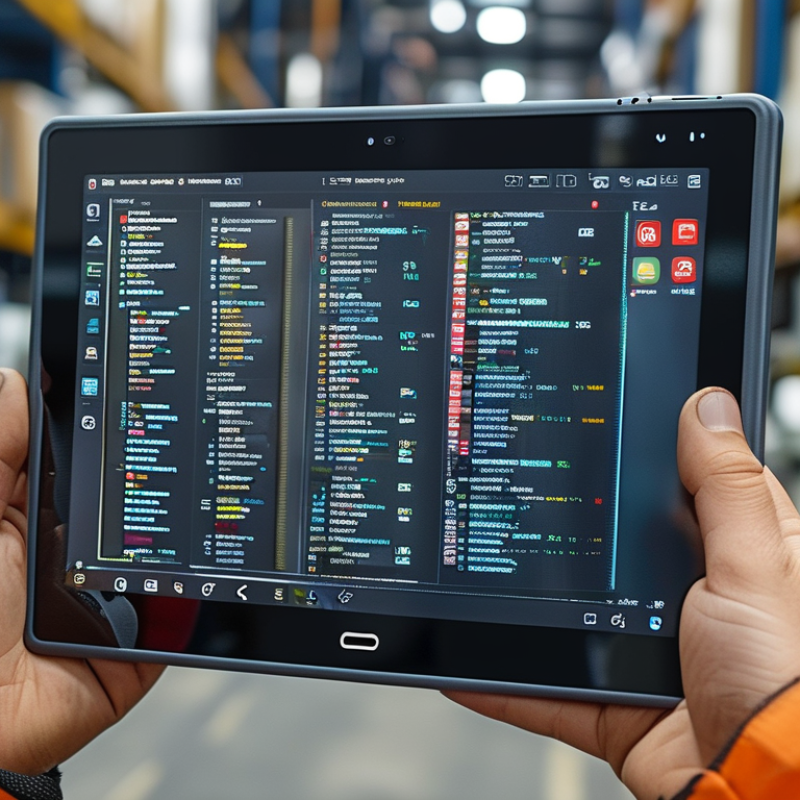
Industrial panel computers are versatile devices used in various sectors, including manufacturing, automation, and logistics. These systems integrate computing power with user-friendly interfaces. According to a recent market report, the industrial panel PC market is expected to grow by 5.2% annually through 2026. This growth is driven by the increasing need for efficient data processing in harsh environments.
Selecting the right industrial panel computer depends on the application. Many businesses prioritize robustness, especially in sectors like food and beverage, where hygiene is critical. A study by an industry research firm noted that 65% of users reported improved productivity after switching to industrial panel computers. These systems often feature touchscreen interfaces, making them suitable for interactive tasks and real-time monitoring.
Tips: Always assess the operating temperature range. Systems with a wider range can perform better in extreme conditions. Look for devices with IP ratings; they should withstand dust and liquid exposure. Don't overlook after-sales support, as reliability is crucial in industrial settings. Users must reflect on their specific needs. Not every panel computer will fit every scenario, and choosing the wrong one can lead to inefficiencies.
| Feature | Description | Importance Level |
|---|---|---|
| Display Size | Choose based on the workspace and required visibility. | High |
| Operating Temperature | Ensure the panel can operate in the environment's temperature range. | Critical |
| Processor Type | Select based on required processing power and efficiency. | High |
| IP Rating | Check for dust and water resistance based on use cases. | Very High |
| Connectivity Options | Evaluate necessary ports (USB, Ethernet, etc.) for peripheral devices. | Medium |
| Mounting Options | Consider if it needs to be wall-mounted, panel-mounted or portable. | Medium |
| Warranty & Support | Look for acceptable warranty periods and customer support availability. | High |
Choosing the right industrial panel computer involves considering several key features. One essential aspect is screen size. A larger screen can enhance visibility and make it easier for operators to interact with the interface. However, larger screens might take up more space. Finding the right balance is crucial.
Another important feature is the operating temperature range. Industrial environments can be harsh. Equipment must withstand high heat or extreme cold. Look for models with wide operating ranges to ensure reliability under varying conditions. Also, consider input options. Are touchscreens necessary, or will physical buttons suffice? This choice may affect usability in a dusty or wet environment.
Don’t overlook the processing power. A faster processor can improve performance but consume more power. If energy efficiency is important, you’ll need to weigh those factors. Portability is another point for reflection. Should your device be stationary or mobile? Each choice comes with distinct advantages and challenges.
When choosing an industrial panel computer, performance specifications are crucial. Different industries have unique requirements. For instance, a manufacturing facility may need a device that operates in extreme temperatures. Understanding the environment where the device will function is essential.
Processing power also plays a significant role. A more powerful processor allows for faster data analysis and better multitasking. Yet, a high-performance unit can lead to higher energy consumption. Balancing power and energy efficiency can be challenging. Additionally, memory capacity should align with application needs. Too little memory can slow down critical tasks, but more memory may not always yield better performance.
Display quality is often overlooked, yet it's vital in many applications. A bright screen enhances visibility in challenging lighting. Touch functionality can improve user interactions and speed up workflows. However, touchscreens may not suit all environments. In some cases, they might produce inaccurate inputs, causing frustration. Each choice should reflect the specific industrial tasks at hand, ensuring the panel computer meets all operational demands.
Selecting the right industrial panel computer involves understanding compatibility with your existing systems and software. In many industries, integration is crucial. A survey by the International Society for Automation revealed that 65% of companies faced challenges when implementing new technology due to compatibility issues. It’s vital to assess whether the new panel computer supports current operating systems and applications.
Evaluate the communication protocols used in your existing infrastructure. Many systems utilize protocols like Modbus, Ethernet/IP, or OPC UA. If your new panel computer does not support these, integration may require costly middleware solutions. According to a report by Market Research Future, a significant 45% of IT budgets are allocated to resolving compatibility and integration issues. This shows the financial impact of not considering compatibility upfront.
Moreover, consider the hardware specifications. A panel computer must have adequate processing power to run your applications smoothly. Insufficient hardware can lead to operational delays. Reflections on past implementations indicate that companies often underestimated these requirements. Thus, careful planning and evaluation of compatibility ensure smoother transitions and enhance overall productivity.
When budgeting for an industrial panel computer, consider initial costs and ongoing maintenance expenses. The purchase price varies based on the features and specifications. Assess your specific needs first. This avoids overspending on unnecessary capabilities. A basic model may suffice for simple tasks, while advanced applications may require high performance.
Maintenance costs are often overlooked. Routine check-ups and software updates are essential. They ensure reliability and longevity of the equipment. Sometimes, cheaper models incur higher costs over time due to repairs and part replacements. It's wise to invest in quality to save money later.
Don’t forget about the operating environment. Harsh conditions may require more durable components. Factor in costs for protective casings or specialized cooling systems. Think about the total cost of ownership, not just the sticker price. This holistic approach ensures your investment is sound. Balancing quality and cost can be challenging but is crucial for success.
„Thanks to the LUVIR technology, the solder resist process could be switched directly from the previously used mask exposure to direct exposure. As an outstanding digital solution on the market, this technology has been able to demonstrate fast process times and superior quality on our certified conventional ink in production. This allowed us to fully digitize the solder mask process at low cost – without process or ink adjustments. An excellent benefit to our production in Rot am See.“
Ralf Göhringer (Head of Production WE Rot am See)
I would definitely recommend the Limata machine and team for a future company purchase
Michael Greenaway
Compunetics Inc.
“The Limata ldi has been amazing!! Best thing we did was buy this machine”
Richard Brady
GM
Circuitlabs
“Since 2019, we have been running the Limata X1000 LDI system (including LUVIR for solder mask imaging) in daily production as an addition to our current process with film. The machine was capable of properly exposing Taiyo PSR-4000 BN (DI) solder mask types on normal to high-copper boards using a new and unique direct imaging process. The machine operating interface is very user friendly which allowed for a quick technical training curve. The pre-registration processing reduced several seconds of production time at every print. Limata support and service staff is incomparable. They supported our team every step of the way at basically any time of the day or night, with literally, an immediate response time, customizing the software interface to best fit our Operations and needs.
We have exposed more than 8,000 prints since end of October, on various solder mask colors and some resist film panels. Limata, has proven to be very capable and innovative. They are a strong contender in the industry.
We have very much enjoyed this project, and working with the team!
Thank you Limata for the continued support and being a part of our growth.”
Bill Sezate
Vice President, GM
Summit Interconnect
As a replacement to our current contact exposure process with film, the LIMATA X2000 system including LUVIR-Technology was capable of properly exposing non-LDI solder mask types using a direct imaging process. The machine offers cutting edge software with a very intuitive operating interface which allowed for quick technician training curve. The dual drawer system combined with pre-registration processing reduced several seconds of production time at every machine cycle. Limata support and service staff is world class. They added software patches to keep production running at shortest possible response times, customized the software interface to best fit our in-house Operations system, and even wrote a step-by-step machine processing manual. As a result of the project, we have exposed more than 16,000 times on various product types and solder mask brands/colors. Limata, in a very short timeframe as a company, has definitely shown they are truly innovative and will be challenging the industry of direct imaging for the top spot.
Kevin Beattie
Process Engineer
TTM Technologies
Forest Grove Division
