Choosing the right Tricone Drill Bit is critical for effective drilling operations. Different applications demand specific features such as size, material, and rock formation compatibility. Understanding these elements can lead to better performance and longer tool life.
A Tricone Drill Bit is designed to navigate through various types of geological conditions. Each type of bit has unique characteristics suited for specific tasks. You might find one bit performs well in one project but fails in another due to improper selection. This variability can impact your efficiency significantly.
Selecting a Tricone Drill Bit requires careful consideration. It's essential to evaluate the type of drilling you will be doing. Reflect on past experiences where the wrong bit was chosen, leading to unnecessary costs. Understanding your needs and the available options will ensure a smoother drilling process and enhance your overall productivity.
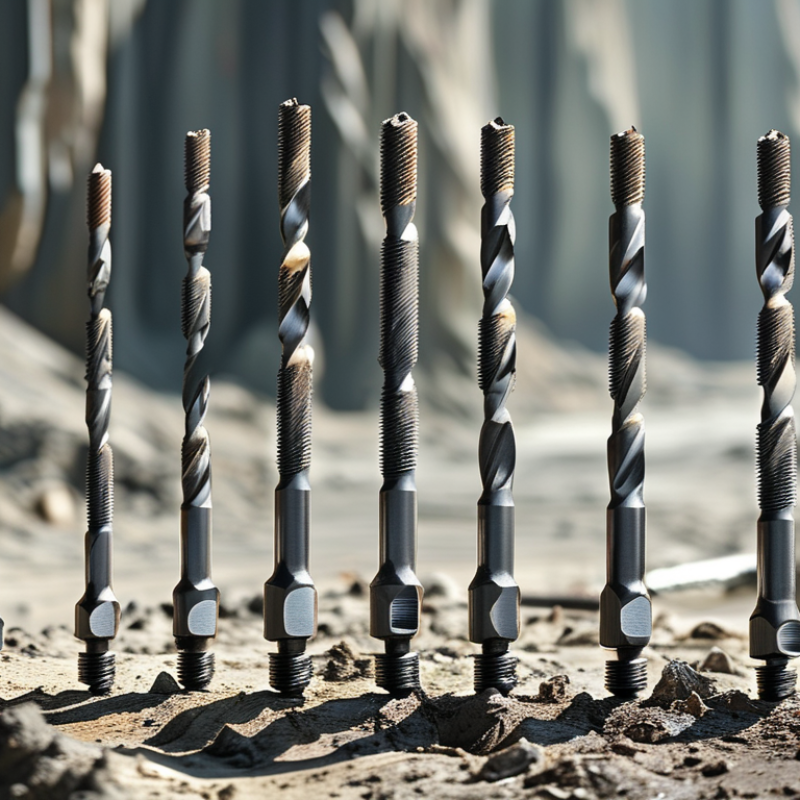
When selecting a tricone drill bit, understanding the types available is crucial. In 2026, various designs cater to different drilling environments. Tricone bits typically feature three rotating cones. Each cone houses multiple teeth that penetrate the surface effectively. Bits vary significantly depending on geological conditions.
You might encounter steel tooth and tungsten carbide bits. Steel tooth bits excel in softer formations. They offer effective cutting in clay and sand. However, wear can occur quickly in harder materials. Tungsten carbide bits, on the other hand, are tougher. They handle abrasive layers well but can be expensive. Understanding these distinctions helps in making a sound choice.
Consider your specific drilling requirements before committing. Reflect on the formations you'll encounter. Not all bits will perform equally. Mistakes in selection can lead to inefficiencies and increased costs. Always weigh performance, durability, and cost to make informed decisions.
| Type of Tricone Drill Bit | Application | Material | Bit Size | Advantages |
|---|---|---|---|---|
| Conical Bits | Soft to medium rock formations | Steel | 6" - 20" | Versatile and cost-effective |
| Mill Bits | Dealing with hard rocks | Tungsten Carbide | 8" - 24" | Highly durable against wear |
| Soft Rock Bits | Clay and soft formations | High-carbon Steel | 4" - 10" | Effective for softer drilling |
| Reamer Bits | Enlarging existing holes | Carbide Insert | 10" - 30" | Enhances drilling efficiency |
| Tricone Bits | Versatile for different formations | Various materials | 6" - 36" | Adaptable to many conditions |
When selecting the best tricone drill bit, several key factors come into play. First, consider the formation hardness. Softer formations may require a different bit design than harder ones. According to industry studies, over 70% of drilling inefficiencies stem from improper bit selection. This highlights the importance of aligning the drill bit type with the geological environment.
Another critical factor is the bit size and gauge. The diameter affects penetration rates and overall drilling efficiency. A properly sized bit can increase performance by up to 30%. Additionally, bit design plays a significant role in durability and wear resistance. Data shows that bits with enhanced lubrication features achieve longer lifespans. Exploring these attributes can significantly enhance operational effectiveness.
Lastly, pay attention to the drilling fluid type. The interaction between the tricone bit and fluid can greatly influence performance and uptime. Studies indicate a 25% reduction in operational costs when optimal fluid selections complement the drill bit. Using empirical data to guide your decisions can mitigate risks associated with drilling operations, ensuring a more reliable choice is made. Making informed selections is crucial for maximizing drilling productivity and minimizing downtime.
When selecting a tricone drill bit, material and durability are crucial factors to consider. Most tricone bits are made from high-quality steel or advanced alloys. Industrial studies suggest that high-carbon steel maintains integrity in tough environments while tungsten carbide is known for its hardness and resistance to wear. A 2021 report revealed that bits made with high-strength steel can outperform standard materials by up to 30% in wear resistance.
Durability often correlates with the bit's intended use. For example, hard rock drilling requires a robust tricone bit. Analyses show that diamond-impregnated bits last longer in abrasive conditions. In contrast, softer formations can utilize less expensive materials. Reports indicate that using the right material can significantly reduce downtime and costs. Relying solely on price can lead to subpar performance.
Understanding the drilling environment can help optimize bit selection. Field data suggest frequent assessments of wear patterns can improve decision-making. Not every bit type performs well everywhere. Some users find that trial and error is necessary to achieve optimal results, leading to potential delays. Recognizing imperfections in one’s approach is part of the learning curve in selecting the appropriate tricone drill bit.
When selecting a tricone drill bit, size and design play a key role in performance. Bit size directly influences penetration rate and drilling efficiency. It's crucial to match the size to the specific geological conditions you expect. For instance, larger bits may be ideal for soft rock, while smaller bits can excel in harder formations.
Design features also matter significantly. A tricone bit with a high number of teeth may enhance cutting efficiency but could wear out faster. Conversely, a robust design tends to last longer, especially in abrasive environments. Understanding these trade-offs is vital. There isn’t a one-size-fits-all solution, and each project may require a different approach. Reflecting on past drilling experiences can provide valuable insights into which designs worked best.
Keep in mind, performance can vary based on several factors. Not all bits deliver consistent results, even under similar conditions. Sometimes, trial and error is necessary to determine the best fit for your project. It’s important to be prepared for unexpected outcomes and learn from them. Being flexible in your choices can ultimately lead to a more successful drilling operation.
When choosing a tricone drill bit, selecting the right manufacturer is crucial. A reputable brand often indicates reliability. Researching the company's history helps gauge their expertise. Longevity in the industry usually signals a commitment to quality. Look for manufacturers known for their innovation and use of high-grade materials. This attention to detail can impact your drilling efficiency greatly.
Tips: Always check for customer reviews. They can reveal real-world performance. Don't overlook warranty options. A solid warranty indicates confidence in their product. Engaging with forums can also provide insights. Hearing about others' experiences informs your decision-making process.
Consider the manufacturer’s service and support. Availability of replacement parts can save time and money. Accessibility of technical guidance is also invaluable. Dive deep into their certification processes. Ensuring they meet industry standards can impact safety and effectiveness. Reflect on the initial investment versus long-term benefits. Sometimes, a lower price can lead to costly setbacks in performance.
„Thanks to the LUVIR technology, the solder resist process could be switched directly from the previously used mask exposure to direct exposure. As an outstanding digital solution on the market, this technology has been able to demonstrate fast process times and superior quality on our certified conventional ink in production. This allowed us to fully digitize the solder mask process at low cost – without process or ink adjustments. An excellent benefit to our production in Rot am See.“
Ralf Göhringer (Head of Production WE Rot am See)
I would definitely recommend the Limata machine and team for a future company purchase
Michael Greenaway
Compunetics Inc.
“The Limata ldi has been amazing!! Best thing we did was buy this machine”
Richard Brady
GM
Circuitlabs
“Since 2019, we have been running the Limata X1000 LDI system (including LUVIR for solder mask imaging) in daily production as an addition to our current process with film. The machine was capable of properly exposing Taiyo PSR-4000 BN (DI) solder mask types on normal to high-copper boards using a new and unique direct imaging process. The machine operating interface is very user friendly which allowed for a quick technical training curve. The pre-registration processing reduced several seconds of production time at every print. Limata support and service staff is incomparable. They supported our team every step of the way at basically any time of the day or night, with literally, an immediate response time, customizing the software interface to best fit our Operations and needs.
We have exposed more than 8,000 prints since end of October, on various solder mask colors and some resist film panels. Limata, has proven to be very capable and innovative. They are a strong contender in the industry.
We have very much enjoyed this project, and working with the team!
Thank you Limata for the continued support and being a part of our growth.”
Bill Sezate
Vice President, GM
Summit Interconnect
As a replacement to our current contact exposure process with film, the LIMATA X2000 system including LUVIR-Technology was capable of properly exposing non-LDI solder mask types using a direct imaging process. The machine offers cutting edge software with a very intuitive operating interface which allowed for quick technician training curve. The dual drawer system combined with pre-registration processing reduced several seconds of production time at every machine cycle. Limata support and service staff is world class. They added software patches to keep production running at shortest possible response times, customized the software interface to best fit our in-house Operations system, and even wrote a step-by-step machine processing manual. As a result of the project, we have exposed more than 16,000 times on various product types and solder mask brands/colors. Limata, in a very short timeframe as a company, has definitely shown they are truly innovative and will be challenging the industry of direct imaging for the top spot.
Kevin Beattie
Process Engineer
TTM Technologies
Forest Grove Division
