A Metal Hole Cutter is a specialized tool designed to create precise holes in various metal surfaces. Its construction typically features a sharp, circular blade that efficiently removes material as it penetrates. This tool is essential for metal workers and DIY enthusiasts alike, allowing for clean cuts without compromise.
Understanding how a Metal Hole Cutter works is crucial for achieving the best results. It operates by spinning the cutting blade against the metal, creating friction and heat. While it seems straightforward, mastering this tool requires practice and attention to detail. Users often face challenges like uneven pressure or misalignment, which can lead to less than desirable outcomes.
Choosing the right Metal Hole Cutter for your project involves knowing your materials and requirements. Each cutter has its specifications, impacting performance. It's important to reflect on potential issues and learn from them. By exploring this tool's features and applications, you can enhance your metalworking skills and ensure better results in future projects.
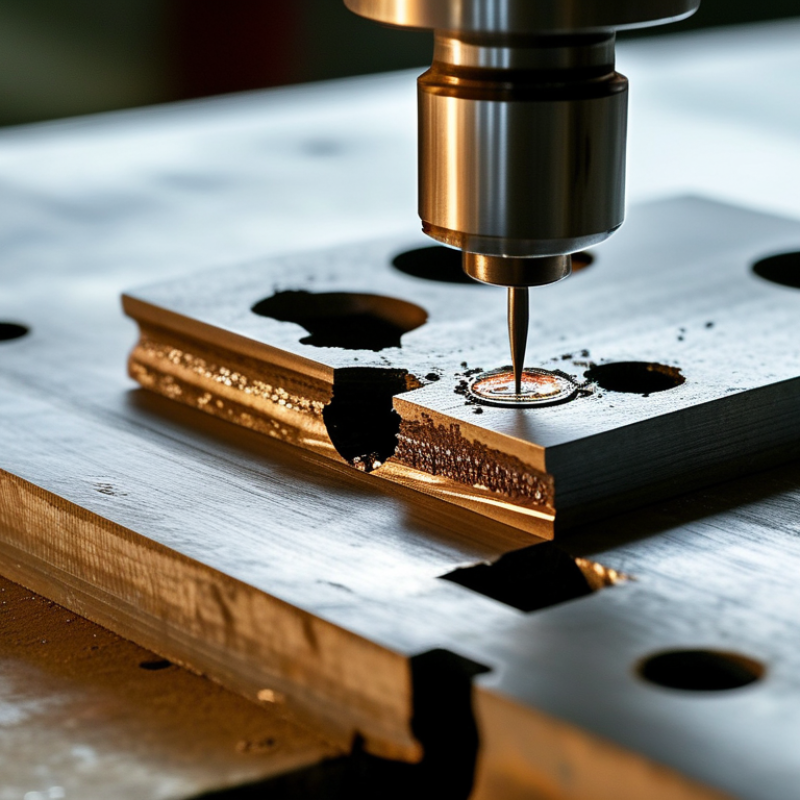
A metal hole cutter is a specialized tool used for creating precise holes in various types of metal. This tool is essential in industries such as construction, manufacturing, and automotive. With a growing demand for accurate and efficient cutting solutions, the global hole saw market is projected to reach $70 million by 2027, according to industry reports. Metal hole cutters provide the ability to achieve smooth and clean edges, minimizing the need for additional finishing work.
The design of a metal hole cutter typically includes a cylindrical shape with sharp teeth, suitable for a range of metals from aluminum to steel. These cutters operate using a power drill, making the process quicker and reducing physical strain on the user. Many professionals note that improper use of the cutter can lead to jagged holes or even breakage. Attention to speed and feed rates is critical to avoid such pitfalls.
While metal hole cutters can offer great precision, they also require a fair amount of skill and experience. Beginners may face a learning curve, often making errors in alignment or pressure. As reported by industry professionals, projects can suffer delays when workers lack proper training. Therefore, ongoing education on best practices for using these tools is vital for ensuring effective results while minimizing waste and rework.
Metal hole cutters are specialized tools designed to create precise holes in various metal materials. Understanding their basic components is crucial for anyone working in metal fabrication or construction. The main parts of a metal hole cutter include the cutting head, arbor, and pilot drill. The cutting head houses sharp teeth that slice through metal, designed for durability and efficiency.
The arbor connects the cutting head to the drill. This component is essential, as it ensures stability during operation. A pilot drill helps to guide the hole cutter, preventing wandering or misalignment. It's important to select the correct size and type of cutter for your specific metal substrate. A mismatch can lead to poor results or damage to the tool.
While using metal hole cutters, some users may overlook the importance of speed and pressure. Applying too much force can lead to tool wear or even breakage. Moreover, improper cutting techniques can cause jagged edges, resulting in a need for additional finishing work. Taking time to perfect your technique can improve overall results, making the process smoother and more efficient.
Metal hole cutters are specialized tools designed to create precise holes in metal materials. Their efficiency primarily stems from their innovative cutting mechanism. These cutters employ a rotating drill bit, often with sharp teeth, to gradually penetrate the metal surface. As the cutter spins, it generates heat and friction, which can affect the quality of the cut. Proper speed and feed rates are crucial for optimal performance.
When using a metal hole cutter, maintaining a steady hand is essential. Inconsistent pressure can lead to uneven cuts or tool damage. Additionally, the choice of lubricant can significantly impact efficacy. A suitable cutting fluid can reduce friction and prolong the life of the tool. However, many users overlook this, resulting in wear and tear that could be avoided.
In practice, achieving perfect holes might not always happen. Material type and thickness can present challenges. Users may find that softer metals cut more easily, while harder alloys require more patience and precision. The learning curve can be steep, but careful observation and adjustment often lead to better outcomes. Analyzing past attempts helps improve technique and decision-making in future projects.
When exploring types of metal hole cutters, it's essential to recognize their diverse applications in various industries. Hole cutters range from standard bi-metal hole saws to specialized carbide-tipped options. Bi-metal saws are prevalent for their versatility and effectiveness in cutting through sheets up to ¼ inch thick. According to industry reports, approximately 35% of metal fabricators utilize bi-metal hole saws due to their durability and efficiency.
Carbide-tipped hole cutters, on the other hand, are designed for more demanding tasks. They can handle harder materials, including stainless steel and cast iron. These cutters often feature enhanced wear resistance, which increases their lifespan. A study indicated that users have reported a 20% increase in productivity when employing carbide-tipped cutters for heavy-duty applications.
Another noteworthy type is the diamond core drill, commonly used in construction. This tool excels in drilling smooth holes through tough substrates. Research shows that about 15% of construction professionals prefer diamond core drills for their precision and reduced fracturing. Each type of cutter presents unique advantages, yet challenges like improper selection and maintenance can affect performance. Understanding the specific application requirements is crucial for achieving optimal results.
Using a metal hole cutter can be safe and effective, but certain precautions are essential. Always wear appropriate personal protective equipment (PPE) such as safety glasses and gloves. These protect against metal shards and potential accidents. Ensure your work area is clear, free from clutter, and has good lighting. A clean space reduces the risk of injury and enhances focus.
Before starting, check the tool for damage. A worn or broken cutter can lead to unsafe conditions. Properly secure the material being cut. Use clamps or a vise to hold it steady. This minimizes movement and helps maintain control during cutting. Always operate the tool at the recommended speeds. Overworking the metal cutter can cause overheating or damage.
Be mindful of your surroundings. Keep others at a safe distance while operating. If you're new to using a hole cutter, consider practicing on scrap material. This builds confidence and allows you to identify any challenges. Remember, safety is an ongoing commitment; regularly review your practices to improve them. Regularly inspect your tools and wear them out responsibly. Each step contributes to a safer, more effective cutting experience.
„Thanks to the LUVIR technology, the solder resist process could be switched directly from the previously used mask exposure to direct exposure. As an outstanding digital solution on the market, this technology has been able to demonstrate fast process times and superior quality on our certified conventional ink in production. This allowed us to fully digitize the solder mask process at low cost – without process or ink adjustments. An excellent benefit to our production in Rot am See.“
Ralf Göhringer (Head of Production WE Rot am See)
I would definitely recommend the Limata machine and team for a future company purchase
Michael Greenaway
Compunetics Inc.
“The Limata ldi has been amazing!! Best thing we did was buy this machine”
Richard Brady
GM
Circuitlabs
“Since 2019, we have been running the Limata X1000 LDI system (including LUVIR for solder mask imaging) in daily production as an addition to our current process with film. The machine was capable of properly exposing Taiyo PSR-4000 BN (DI) solder mask types on normal to high-copper boards using a new and unique direct imaging process. The machine operating interface is very user friendly which allowed for a quick technical training curve. The pre-registration processing reduced several seconds of production time at every print. Limata support and service staff is incomparable. They supported our team every step of the way at basically any time of the day or night, with literally, an immediate response time, customizing the software interface to best fit our Operations and needs.
We have exposed more than 8,000 prints since end of October, on various solder mask colors and some resist film panels. Limata, has proven to be very capable and innovative. They are a strong contender in the industry.
We have very much enjoyed this project, and working with the team!
Thank you Limata for the continued support and being a part of our growth.”
Bill Sezate
Vice President, GM
Summit Interconnect
As a replacement to our current contact exposure process with film, the LIMATA X2000 system including LUVIR-Technology was capable of properly exposing non-LDI solder mask types using a direct imaging process. The machine offers cutting edge software with a very intuitive operating interface which allowed for quick technician training curve. The dual drawer system combined with pre-registration processing reduced several seconds of production time at every machine cycle. Limata support and service staff is world class. They added software patches to keep production running at shortest possible response times, customized the software interface to best fit our in-house Operations system, and even wrote a step-by-step machine processing manual. As a result of the project, we have exposed more than 16,000 times on various product types and solder mask brands/colors. Limata, in a very short timeframe as a company, has definitely shown they are truly innovative and will be challenging the industry of direct imaging for the top spot.
Kevin Beattie
Process Engineer
TTM Technologies
Forest Grove Division
