The landscape of Precision Investment Casting is evolving rapidly. According to industry expert Dr. Emily Tran, "The innovations in casting technology are transforming how we approach manufacturing." As we look toward 2026, it’s crucial to understand the emerging trends shaping this sector.
Precision Investment Casting allows for intricate designs and superior accuracy. Industries such as aerospace and automotive heavily rely on this technique. However, challenges remain, including material limitations and environmental concerns. Companies must adapt to changing regulations and sustainability demands.
Innovations in digital modeling and artificial intelligence hold promise. They can enhance the efficiency and precision of casting processes. Despite this, it is essential to reflect on the skill gaps and training needs within the workforce. Investing in talent development is as crucial as technological advancement. In this fast-paced environment, staying informed and adaptable is the key to success in Precision Investment Casting.
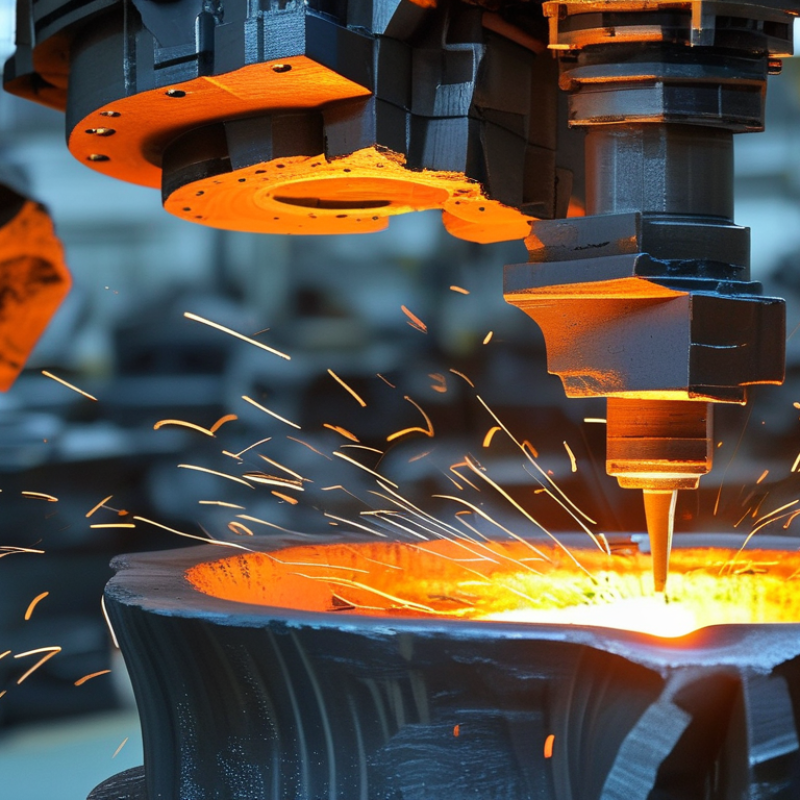
Emerging technologies in precision investment casting are set to reshape the industry by 2026. One of the most notable trends is the integration of 3D printing. This method allows for the creation of complex molds that traditional techniques can't achieve. Manufacturers can produce intricate designs with less material waste. However, the cost of 3D printing equipment can be a barrier for small businesses.
Another trend is the adoption of advanced materials. Alloys with enhanced properties are gaining popularity. These can withstand extreme temperatures and pressures, offering greater performance in demanding applications. Nonetheless, developing these materials requires significant research and investment. Companies need to carefully weigh the potential benefits against the costs involved.
Digital technologies also play a crucial role in this transformation. AI and data analytics can optimize production processes. Predictive maintenance helps to identify potential equipment failures before they impact operations. This shift towards automation and data-driven decision-making offers a chance for improved efficiency. Yet, it raises questions about the workforce's adaptability to new roles and technologies. The industry must consider training and upskilling programs to bridge this gap.
Precision investment casting is witnessing exciting innovations, largely driven by advancements in key materials. The growing need for lightweight and high-strength components in industries like aerospace and automotive has led to a surge in specialized alloys. According to a recent industry report, the global precision investment casting market is projected to reach USD 15 billion by 2026. This growth is fundamentally tied to materials like titanium alloys, which offer superior durability and corrosion resistance.
Notably, ceramic-based materials are gaining traction for their ability to withstand extreme temperatures. These materials can enhance the performance of parts in high-stress applications. The transition to greener casting processes also plays a crucial role. Environmentally friendly materials are being developed to reduce waste and energy consumption. Data indicates that companies adopting sustainable practices can enhance their competitive edge, gaining market share as environmental regulations tighten.
Diverse applications demand continuous material refinement. Issues such as material fatigue and manufacturing inconsistencies remain prevalent. Manufacturers must address these challenges to meet evolving performance standards. The interplay of innovation and practical application is essential for the future of precision investment casting. As new materials emerge, ongoing research and quality testing are necessary to ensure reliability over time.
Sustainability is becoming a cornerstone of the investment casting industry. According to a recent market report, the push for greener manufacturing processes is expected to grow, with 70% of companies prioritizing sustainable practices by 2026. This trend drives innovations in materials and processes, particularly in reducing waste and energy consumption.
Adopting eco-friendly materials is crucial. For example, many manufacturers are exploring recycled metals to minimize their carbon footprint. A 2022 study highlighted that using 25% recycled metal can cut production emissions by up to 30%. It's not just about materials; optimizing energy use in melting and pouring processes is essential as well. Companies investing in energy-efficient furnaces can reduce operational costs significantly.
For those in the industry, here are some tips: focus on developing relationships with suppliers who prioritize sustainability. Collaborating can offer better insights into innovative materials and techniques. Additionally, invest in employee training on sustainable practices to foster a culture of environmental responsibility. It's a chance to rethink traditional methods and align with the evolving market demands.
The precision investment casting market is expected to experience significant shifts by 2026. Demand factors will be driven largely by advancements in automation and technology. Industries such as aerospace and automotive will require more precise components. Companies are investing heavily in R&D to enhance the intricacies of the casting process. This trend indicates a growing reliance on data-driven solutions.
Supply dynamics will reflect these changes. Manufacturers may face challenges in sourcing raw materials amid fluctuating prices. A lack of skilled workers in the field can lead to inefficiencies. Additionally, environmental regulations are increasingly influencing production. Many companies need to adapt swiftly to comply with these mandates.
While the future appears promising, uncertainties abound. The market's evolution will require ongoing assessment and flexibility. Buyers and suppliers must engage in transparent communication to navigate these complexities. Understanding these market dynamics will be crucial for those involved in precision casting in the years to come.
Precision investment casting is shaping the future across diverse industries. Its applications are gaining momentum in aerospace, automotive, and medical sectors. The ability to create complex shapes with high precision allows manufacturers to innovate and optimize processes. This shift toward precision is driven by the demand for lightweight components and improved performance. In the aerospace industry, lighter parts can significantly reduce fuel consumption and emissions, leading to greener technologies.
In the automotive sector, precision investment casting plays a key role in producing intricate engine components. This technique enables manufacturers to enhance efficiency while lowering production costs. The medical field benefits as well, where custom implants and devices can be crafted to meet specific patient needs. This level of customization ensures better health outcomes and more reliable solutions.
When considering future trends, it's crucial to focus on quality and sustainability. Proper material selection and waste reduction practices matter. Collaborating with experienced partners can elevate project success. Many companies overlook these factors, leading to costly mistakes. Maintaining a balance between innovation and practicality is essential. Always evaluate the long-term impacts of new technologies. Embracing precision investment casting means committing to constant improvement and responsible practices.
„Thanks to the LUVIR technology, the solder resist process could be switched directly from the previously used mask exposure to direct exposure. As an outstanding digital solution on the market, this technology has been able to demonstrate fast process times and superior quality on our certified conventional ink in production. This allowed us to fully digitize the solder mask process at low cost – without process or ink adjustments. An excellent benefit to our production in Rot am See.“
Ralf Göhringer (Head of Production WE Rot am See)
I would definitely recommend the Limata machine and team for a future company purchase
Michael Greenaway
Compunetics Inc.
“The Limata ldi has been amazing!! Best thing we did was buy this machine”
Richard Brady
GM
Circuitlabs
“Since 2019, we have been running the Limata X1000 LDI system (including LUVIR for solder mask imaging) in daily production as an addition to our current process with film. The machine was capable of properly exposing Taiyo PSR-4000 BN (DI) solder mask types on normal to high-copper boards using a new and unique direct imaging process. The machine operating interface is very user friendly which allowed for a quick technical training curve. The pre-registration processing reduced several seconds of production time at every print. Limata support and service staff is incomparable. They supported our team every step of the way at basically any time of the day or night, with literally, an immediate response time, customizing the software interface to best fit our Operations and needs.
We have exposed more than 8,000 prints since end of October, on various solder mask colors and some resist film panels. Limata, has proven to be very capable and innovative. They are a strong contender in the industry.
We have very much enjoyed this project, and working with the team!
Thank you Limata for the continued support and being a part of our growth.”
Bill Sezate
Vice President, GM
Summit Interconnect
As a replacement to our current contact exposure process with film, the LIMATA X2000 system including LUVIR-Technology was capable of properly exposing non-LDI solder mask types using a direct imaging process. The machine offers cutting edge software with a very intuitive operating interface which allowed for quick technician training curve. The dual drawer system combined with pre-registration processing reduced several seconds of production time at every machine cycle. Limata support and service staff is world class. They added software patches to keep production running at shortest possible response times, customized the software interface to best fit our in-house Operations system, and even wrote a step-by-step machine processing manual. As a result of the project, we have exposed more than 16,000 times on various product types and solder mask brands/colors. Limata, in a very short timeframe as a company, has definitely shown they are truly innovative and will be challenging the industry of direct imaging for the top spot.
Kevin Beattie
Process Engineer
TTM Technologies
Forest Grove Division
