A Push Button Switch is a simple yet vital component in many electronic devices. It provides a straightforward way to control operations, from turning on lights to activating complex machinery. This device typically consists of a button that, when pressed, closes an electrical circuit and allows current to flow. The simplicity of its design belies its essential role in everyday operations.
In various applications, Push Button Switches can be found in home appliances, computers, and industrial equipment. The mechanism behind this switch is interesting; when pressed, it often utilizes a spring mechanism to return to its original position. This allows for quick, repeated actions. Despite its common use, users sometimes underestimate its importance in ensuring safety and functionality.
Understanding how a Push Button Switch works is key for both consumers and professionals. While the concept is easy to grasp, the nuances of different types may not be. It's worth exploring their various functions, limitations, and the contexts where they excel. Engaging with this technology can enhance our everyday experiences and broaden our understanding of electrical systems.
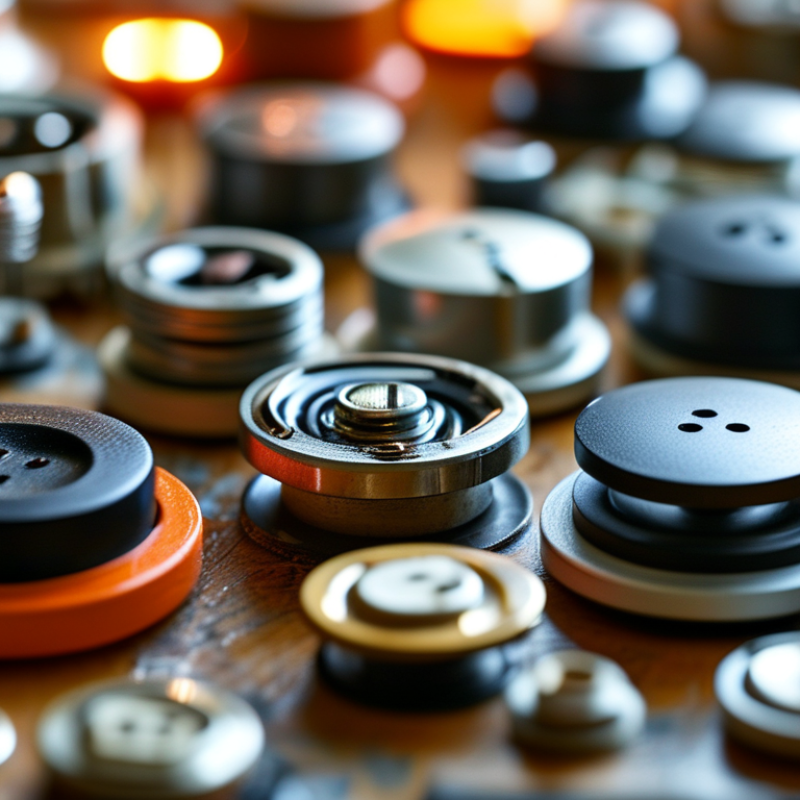
A push button switch is a simple yet powerful device. It serves as a control mechanism that initiates a function or action with a brief press. Whether in your home or an industrial setting, these switches are ubiquitous. They can be found in everything from light fixtures to complex machinery. Their primary purpose is to provide a user-friendly interface for activating or deactivating systems.
One of the key features of a push button switch is its versatility. They come in various shapes, sizes, and designs. Some are momentary switches, returning to their original position after being pressed. Others are latching switches, which stay on until pressed again. Understanding the difference is vital for selecting the right switch for your needs.
Tip: Always consider the environment where the switch will be used. Moisture and dust can affect its operation. Regular maintenance can prevent failures in critical applications.
When choosing a push button switch, check for appropriate ratings. The voltage and current specifications must align with your application. Overloading can lead to failure or hazards. Therefore, careful consideration is crucial to ensure reliability.
Tip: A poorly chosen switch can lead to frustrating mistakes. Do your homework and select wisely.
When exploring push button switches, two main types emerge: momentary and latching switches.
Momentary switches only activate while pressed. This temporary actuation is common in doorbells or gaming controllers. Once released, the circuit opens, and the device stops functioning. Their design allows for brief interactions. Users can intuitively understand this mechanism.
On the other hand, latching switches function differently. They remain in their new state once pressed. For instance, flipping a light switch on or off represents this type. They create a more permanent effect, useful for applications requiring stability. Users might appreciate how they simply toggle between two states without the need for constant pressure.
Both types have advantages and drawbacks. Momentary switches can lead to accidental activation if you aren't careful. Latching switches, while straightforward, might confuse users who expect them to return to their original state. This fundamental difference reflects their intended uses. Ultimately, understanding these mechanics informs better design choices and user interaction.
A push button switch is an essential component in many electronic devices. Understanding its internal structure can enhance our appreciation of its role. Typically, a push button switch consists of several key parts, including the actuator, contacts, and housing. The actuator is the visible part you press. It converts physical force into electrical signals.
Inside the switch, the contacts are critical. They complete or break the circuit when you press the actuator. There are different types of contacts, like normally open (NO) or normally closed (NC). This allows various functionalities based on the device's design. The housing protects the internal components and provides support.
However, not all switches are perfect. Some designs can wear down over time. Dust or debris can interfere with the contacts, leading to failures. It's essential to maintain these switches for optimal performance. When malfunctioning, troubleshooting can be tricky. Knowing how these internal components function can help in identifying issues and maintaining reliability.
A push button switch is a common component found in various electrical devices. Its mechanism is simple yet effective. When you press the button, it completes a circuit. This allows current to flow and activates the device. The response is immediate, making it a reliable option for many applications.
Internally, a push button switch uses a spring mechanism. When pressed, the button compresses the spring. Once released, the spring returns to its original position, breaking the circuit. This on-off action is crucial. It creates a tactile feedback that many users appreciate. The sound of a click can also signal activation, providing reassurance.
However, not all switches are created equal. Some may wear out quicker than others. Factors like usage frequency can impact longevity. Dust and debris can enter the switch housing, causing malfunction. Regular maintenance can help, yet not all users are diligent. Understanding these limitations is key to better usage.
Push button switches are essential components in many everyday devices. They are simple to use and provide an efficient way to control electronic functions. Commonly found in household appliances, push button switches allow us to easily operate items like microwaves, elevators, and light fixtures.
In homes, these switches are often used for lighting control. For instance, a push button switch becomes a simple mechanism to turn on and off the lights with a gentle press. Similarly, in appliances like coffee makers, they activate the brewing process with just one touch. This ease of use enhances daily convenience, though it can lead to over-reliance on technology.
Tips: Ensure that buttons are maintained well to avoid unresponsive switches. Cleaning them regularly helps preserve functionality. Also, consider placement; switches should be accessible to everyone in the household.
In industrial settings, push button switches play a vital role too. They control machinery and equipment, allowing for quick responses during operations. However, reliance on these switches can sometimes lead to negligence in safety protocols. It’s crucial to stay aware of potential hazards when operating equipment. Regular training ensures that operators understand the importance of all safety measures.
| Application | Function | Type of Push Button | Typical Voltage |
|---|---|---|---|
| Home Appliances | Turn devices On/Off | Momentary Switch | 120V AC |
| Elevators | Call for the elevator | Tactile Switch | 24V DC |
| Industrial Machinery | Start or stop machines | Illuminated Switch | 480V AC |
| Smartphones | Wake/lock screen | Capacitive Switch | 5V DC |
| Automobiles | Control lights and signals | Toggle Switch | 12V DC |
„Thanks to the LUVIR technology, the solder resist process could be switched directly from the previously used mask exposure to direct exposure. As an outstanding digital solution on the market, this technology has been able to demonstrate fast process times and superior quality on our certified conventional ink in production. This allowed us to fully digitize the solder mask process at low cost – without process or ink adjustments. An excellent benefit to our production in Rot am See.“
Ralf Göhringer (Head of Production WE Rot am See)
I would definitely recommend the Limata machine and team for a future company purchase
Michael Greenaway
Compunetics Inc.
“The Limata ldi has been amazing!! Best thing we did was buy this machine”
Richard Brady
GM
Circuitlabs
“Since 2019, we have been running the Limata X1000 LDI system (including LUVIR for solder mask imaging) in daily production as an addition to our current process with film. The machine was capable of properly exposing Taiyo PSR-4000 BN (DI) solder mask types on normal to high-copper boards using a new and unique direct imaging process. The machine operating interface is very user friendly which allowed for a quick technical training curve. The pre-registration processing reduced several seconds of production time at every print. Limata support and service staff is incomparable. They supported our team every step of the way at basically any time of the day or night, with literally, an immediate response time, customizing the software interface to best fit our Operations and needs.
We have exposed more than 8,000 prints since end of October, on various solder mask colors and some resist film panels. Limata, has proven to be very capable and innovative. They are a strong contender in the industry.
We have very much enjoyed this project, and working with the team!
Thank you Limata for the continued support and being a part of our growth.”
Bill Sezate
Vice President, GM
Summit Interconnect
As a replacement to our current contact exposure process with film, the LIMATA X2000 system including LUVIR-Technology was capable of properly exposing non-LDI solder mask types using a direct imaging process. The machine offers cutting edge software with a very intuitive operating interface which allowed for quick technician training curve. The dual drawer system combined with pre-registration processing reduced several seconds of production time at every machine cycle. Limata support and service staff is world class. They added software patches to keep production running at shortest possible response times, customized the software interface to best fit our in-house Operations system, and even wrote a step-by-step machine processing manual. As a result of the project, we have exposed more than 16,000 times on various product types and solder mask brands/colors. Limata, in a very short timeframe as a company, has definitely shown they are truly innovative and will be challenging the industry of direct imaging for the top spot.
Kevin Beattie
Process Engineer
TTM Technologies
Forest Grove Division
