In the realm of filtration technology, PTFE Filter Media stands out for its exceptional properties. This advanced material is known for its chemical resistance and reliability. Industries worldwide seek high-quality PTFE filter media for various applications, including air and liquid filtration.
Procuring the best PTFE filter media can be challenging. Buyers must navigate a sea of options, each claiming superiority. It is essential to evaluate suppliers based on their expertise and product specifications. Understanding the unique needs of your industry will aid in making informed decisions.
Despite the apparent benefits, not all PTFE filter media is created equal. Some products may not deliver the expected performance. Therefore, it is crucial to consider factors such as manufacturing processes and certification standards. This careful approach can ensure the selection of reliable and effective PTFE filter media.
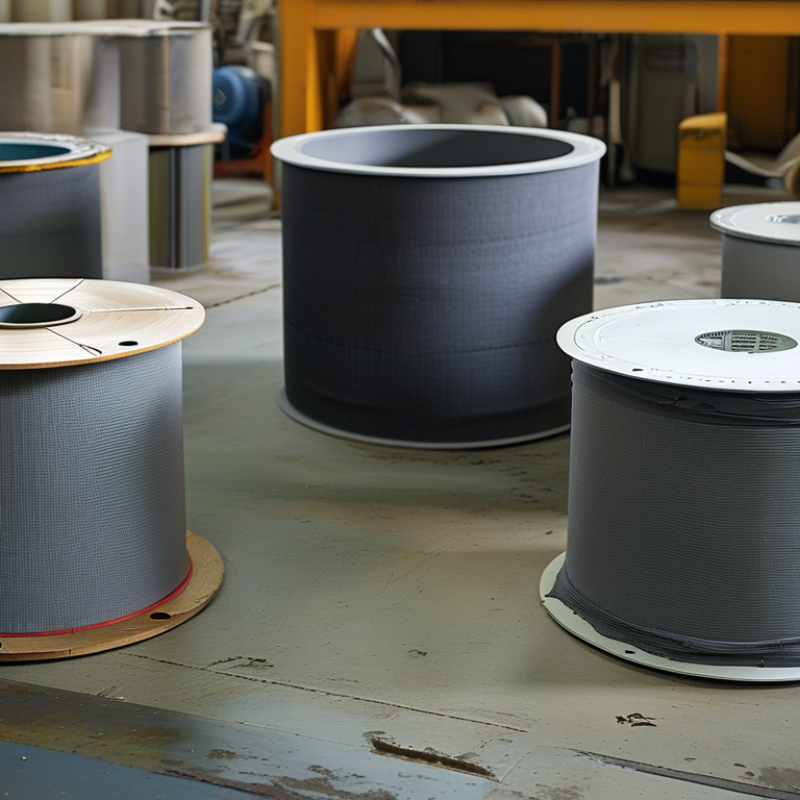
The global demand for PTFE filter media has been steadily rising. Industries such as pharmaceuticals and food processing have increased the usage of these materials. According to a recent market analysis report, the PTFE filter media market is expected to grow at a compound annual growth rate (CAGR) of 7.3% over the next five years. This trend reflects a greater emphasis on filtration efficiency and product quality.
PTFE, or polytetrafluoroethylene, is known for its excellent chemical resistance and high thermal stability. These attributes make it a preferred choice for demanding applications. However, sourcing high-quality PTFE filter media can be challenging. Buyers must ensure they work with reliable suppliers to ensure compliance and performance.
Tip: When selecting PTFE filter media, check certifications and test reports. This can help verify the media's quality.
Additionally, while the demand grows, potential buyers should consider regional variations in supply. Some areas may face challenges in sourcing. This could lead to delays or increased costs.
Tip: Stay informed about market trends and regional supply chains to avoid disruptions in procurement.
PTFE filter media are becoming increasingly popular in various filtration applications. Their unique properties offer significant advantages, particularly when it comes to durability and efficiency. This type of material is resistant to chemicals and high temperatures, making it ideal for harsh environments. Users often appreciate its exceptional performance in critical processes.
The permeability of PTFE filter media is another important aspect. It allows optimal airflow while effectively retaining particles. This balance is vital for ensuring efficient filtration. However, achieving the right level of porosity can be challenging. Not all manufacturers provide consistent quality in this regard. Buyers need to evaluate specifications carefully.
Lastly, the longevity of PTFE filter media is remarkable. They can withstand extensive use without significant degradation. However, end-users should be aware of the potential need for periodic testing. Filter performance can decline due to various factors, including clogs or chemical exposure. Regular assessment helps maintain efficiency and prolongs the lifespan of the filtering system. Proper knowledge about these aspects can lead to better choices for effective filtration solutions.
The global PTFE filter media market is witnessing significant growth. According to recent market reports, the demand for high-performance filter materials is increasing consistently. This growth is largely due to the rising need for efficient filtration solutions across various industries, including pharmaceuticals, chemicals, and food processing.
Leading manufacturers emphasize the unique properties of PTFE filter media. These materials provide excellent chemical resistance, high thermal stability, and exceptional dirt-holding capacity. Data suggests that PTFE filters can perform effectively in extreme conditions, with a melting point above 327°C. Their durability makes them ideal for harsh processing environments. However, they are often more expensive compared to conventional filters, which raises questions about cost-effectiveness.
Suppliers in this space must focus on producing reliable and efficient products. Market players face challenges like raw material sourcing and competition from alternative materials. Some manufacturers struggle to keep pace with technological advances. Addressing these challenges requires ongoing investment in research and development. As the industry evolves, staying informed about changing regulations and market needs will be crucial for success.
| Manufacturer Type | Region | Annual Production (metric tons) | Key Applications | Market Share (%) |
|---|---|---|---|---|
| Large Scale | North America | 15000 | Pharmaceuticals, Food Processing | 30 |
| Medium Scale | Europe | 5000 | Chemical Manufacturing | 20 |
| Small Scale | Asia-Pacific | 2500 | Air Filtration, Water Purification | 15 |
| Large Scale | Middle East | 8000 | Oil & Gas | 25 |
| Medium Scale | Latin America | 4000 | Mining, Industrial Filtration | 10 |
PTFE filter media is increasingly recognized for its versatility across various industries. In the chemical sector, it effectively filters corrosive fluids, ensuring product purity and safety. Many manufacturers rely on PTFE for its excellent thermal stability and resistance to harsh chemicals. This reliability makes it a preferred choice in laboratories and production facilities.
In the food industry, PTFE filter media plays a crucial role in maintaining strict health standards. Its non-stick surface minimizes contamination, making it ideal for applications in food processing. Another significant application is in the pharmaceutical industry, where precise filtration is necessary. Here, PTFE helps in achieving the cleanliness required for drug production.
Despite its advantages, some challenges remain. Filtration efficiency can vary depending on specific conditions, such as flow rates and pressure. Users often face difficulties in optimizing these factors. Therefore, ongoing assessment and adjustment are vital to maximizing the performance of PTFE filter media in any application.
The landscape of PTFE filter media technology is continually evolving. Innovations in material science lead to improved durability and efficiency. Recent advancements focus on enhancing filtration precision while reducing energy consumption. These developments are essential for industries requiring high purity levels, such as pharmaceuticals and electronics.
Future trends suggest a move toward multifunctional filter media. This technology may enable better pollutant removal and increased resistance to harsh environments. Companies are exploring environmentally friendly manufacturing processes. However, the challenge remains in balancing sustainability and performance.
It’s critical to evaluate the reliability of new technologies. Ongoing research and testing are required to validate these innovations. Feedback from real-world applications is invaluable. This process contributes to refining designs and ensuring they meet industry needs. The journey toward optimizing PTFE filter media is complex but promising.
„Thanks to the LUVIR technology, the solder resist process could be switched directly from the previously used mask exposure to direct exposure. As an outstanding digital solution on the market, this technology has been able to demonstrate fast process times and superior quality on our certified conventional ink in production. This allowed us to fully digitize the solder mask process at low cost – without process or ink adjustments. An excellent benefit to our production in Rot am See.“
Ralf Göhringer (Head of Production WE Rot am See)
I would definitely recommend the Limata machine and team for a future company purchase
Michael Greenaway
Compunetics Inc.
“The Limata ldi has been amazing!! Best thing we did was buy this machine”
Richard Brady
GM
Circuitlabs
“Since 2019, we have been running the Limata X1000 LDI system (including LUVIR for solder mask imaging) in daily production as an addition to our current process with film. The machine was capable of properly exposing Taiyo PSR-4000 BN (DI) solder mask types on normal to high-copper boards using a new and unique direct imaging process. The machine operating interface is very user friendly which allowed for a quick technical training curve. The pre-registration processing reduced several seconds of production time at every print. Limata support and service staff is incomparable. They supported our team every step of the way at basically any time of the day or night, with literally, an immediate response time, customizing the software interface to best fit our Operations and needs.
We have exposed more than 8,000 prints since end of October, on various solder mask colors and some resist film panels. Limata, has proven to be very capable and innovative. They are a strong contender in the industry.
We have very much enjoyed this project, and working with the team!
Thank you Limata for the continued support and being a part of our growth.”
Bill Sezate
Vice President, GM
Summit Interconnect
As a replacement to our current contact exposure process with film, the LIMATA X2000 system including LUVIR-Technology was capable of properly exposing non-LDI solder mask types using a direct imaging process. The machine offers cutting edge software with a very intuitive operating interface which allowed for quick technician training curve. The dual drawer system combined with pre-registration processing reduced several seconds of production time at every machine cycle. Limata support and service staff is world class. They added software patches to keep production running at shortest possible response times, customized the software interface to best fit our in-house Operations system, and even wrote a step-by-step machine processing manual. As a result of the project, we have exposed more than 16,000 times on various product types and solder mask brands/colors. Limata, in a very short timeframe as a company, has definitely shown they are truly innovative and will be challenging the industry of direct imaging for the top spot.
Kevin Beattie
Process Engineer
TTM Technologies
Forest Grove Division
