In today's transportation industry, the efficiency of heavy-duty vehicles depends significantly on the performance of their cooling systems. Truck radiators play a crucial role in maintaining optimal engine temperatures. A well-functioning radiator ensures that trucks operate smoothly, reducing the risk of engine overheating.
High-quality truck radiators are essential for reliable performance. They are designed to withstand extreme conditions and manage high heat levels. Choosing the right radiator can be challenging. There are various models and materials, each with unique benefits. Understanding these differences is key to making an informed choice.
However, not all truck radiators are created equal. Issues may arise from poor manufacturing standards or mismatched specifications. It’s important to select radiators that meet both industry standards and personal needs. Investing time in research can lead to better performance and longevity. A reliable truck radiator makes a significant difference in daily operations, ultimately affecting productivity.
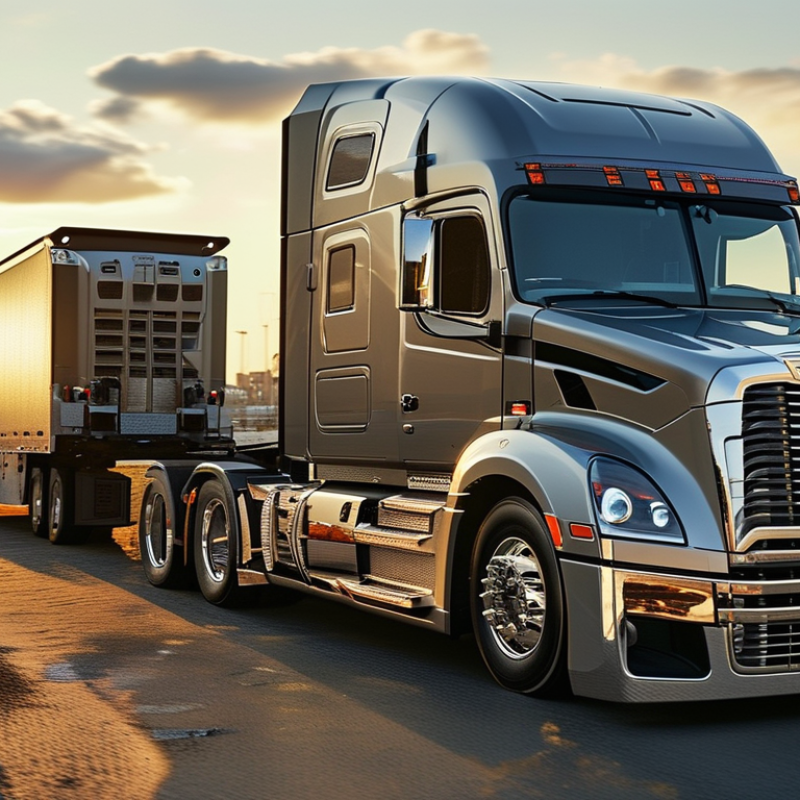
Truck radiators play a critical role in vehicle performance. They maintain optimal engine temperature by dissipating heat generated during operation. If a radiator fails, it can lead to engine overheating, which may cause severe damage. Recognizing the importance of a functioning radiator is crucial for truck owners and operators.
Proper maintenance is often overlooked. Many people wait until a problem arises before checking their radiators. Regular inspections can prevent costly repairs. Look for signs of leakage or corrosion. A clean and efficient radiator improves cooling performance. It is vital to ensure that coolant flows freely and the system is free of clogs.
Not all truck radiators are created equal. Quality matters significantly when it comes to choosing a radiator. Inferior products can lead to ongoing issues and inefficient cooling. Understanding your truck's specifications is necessary to make informed decisions. Investing in a reliable radiator can save money in the long run. It ensures your vehicle runs smoothly and efficiently.
When selecting high-quality truck radiators, certain key features can greatly enhance cooling efficiency. A durable construction is crucial. Radiators made from materials like aluminum often provide better heat dissipation. Studies have shown that aluminum radiators can outperform copper models in weight and thermal conductivity. This results in a lighter design with improved performance.
Another critical aspect to consider is the design of the radiator itself. Look for options with enhanced core designs. Multi-row cores can improve cooling capacity significantly. Research indicates that radiators with a larger surface area can lead to a 10% increase in cooling efficiency. Additionally, pay attention to the fin count. A higher fin density creates more surface area for heat transfer.
Truck radiators play a vital role in maintaining engine temperature. They come in various materials, each offering unique benefits and drawbacks. Aluminum is a common choice due to its lightweight nature and excellent heat conductivity. This makes it ideal for heavy-duty applications. However, aluminum can corrode more easily, requiring regular maintenance and inspections.
Copper-brass radiators are another popular option. They provide superior durability and repairability, often outlasting aluminum models. However, they are heavier and may not offer the same level of efficiency. In some cases, corrosion can also be an issue, requiring thoughtful consideration of operating conditions.
Plastic tanks are often used in modern designs. While they can reduce weight and manufacturing costs, they may not be as reliable as metal counterparts over time. Their lifespan significantly depends on environmental factors and usage. This combination of materials offers various choices for truck owners. Understanding these factors can help ensure the optimal performance of a truck's cooling system.
| Material Type | Thermal Conductivity (W/m·K) | Corrosion Resistance | Weight (kg) | Cost (USD) |
|---|---|---|---|---|
| Aluminum | 205 | High | 5 | 150 |
| Copper | 390 | Moderate | 8 | 250 |
| Plastic Composite | 80 | Very High | 4 | 100 |
| Brass | 120 | Moderate | 7 | 180 |
Trucks operate under extreme conditions, demanding high-performance cooling solutions. Efficient cooling is crucial to prevent overheating and ensure engine longevity. Many modern trucks rely on advanced radiator technologies and materials for optimal performance.
One common solution is the aluminum radiator. According to industry reports, aluminum radiators offer up to 40% better heat dissipation compared to traditional copper models. They are lightweight and resistant to corrosion, enhancing overall efficiency. Additionally, improvements in thread technology, like wave patterns, have increased surface area and cooling capacity.
Another noteworthy technology is the use of electric fans. Studies indicate that these fans can boost airflow by up to 50%, especially during low-speed operations. This is significant for urban deliveries, where a truck might stop frequently. However, relying solely on electric systems raises concerns about battery drain during long hauls. Balancing these technologies is key, as improper integration can lead to overheating.
Understanding these cooling solutions helps truck operators maintain their vehicles' health and minimize downtime. The landscape is evolving, but challenges remain. Continuous updates to technology will shape future cooling strategies in the trucking industry.
This chart illustrates the efficiency of various cooling solutions commonly used in truck radiators. The data presented reflects the effectiveness of traditional and modern technologies in terms of cooling performance measured in degrees Celsius (°C). As trucks operate under varying conditions, the choice of cooling solution is crucial for maintaining optimal engine temperatures.
Maintaining optimal truck radiator performance is crucial for efficiency. Research indicates that regular inspections can extend radiator life by up to 30%. Radiators often operate under harsh conditions. Therefore, understanding maintenance tips can significantly impact their durability and efficiency.
Check coolant levels frequently. Low coolant can lead to overheating. It's advisable to inspect your radiator for leaks or corrosion. According to industry standards, more than 75% of cooling issues stem from inadequate maintenance. Regularly clean the radiator fins. Dust and debris can diminish cooling efficiency. A good practice is to use compressed air to blow out debris.
Additionally, monitor the engine temperature gauge. A temperature anomaly could signal radiator issues. Flushing the radiator every two years helps remove buildup. This can lead to a more efficient cooling process. It's essential to react promptly to any signs of trouble. Neglecting early warnings may result in costly repairs down the line. Small preventative measures can enhance performance and avoid significant problems.
„Thanks to the LUVIR technology, the solder resist process could be switched directly from the previously used mask exposure to direct exposure. As an outstanding digital solution on the market, this technology has been able to demonstrate fast process times and superior quality on our certified conventional ink in production. This allowed us to fully digitize the solder mask process at low cost – without process or ink adjustments. An excellent benefit to our production in Rot am See.“
Ralf Göhringer (Head of Production WE Rot am See)
I would definitely recommend the Limata machine and team for a future company purchase
Michael Greenaway
Compunetics Inc.
“The Limata ldi has been amazing!! Best thing we did was buy this machine”
Richard Brady
GM
Circuitlabs
“Since 2019, we have been running the Limata X1000 LDI system (including LUVIR for solder mask imaging) in daily production as an addition to our current process with film. The machine was capable of properly exposing Taiyo PSR-4000 BN (DI) solder mask types on normal to high-copper boards using a new and unique direct imaging process. The machine operating interface is very user friendly which allowed for a quick technical training curve. The pre-registration processing reduced several seconds of production time at every print. Limata support and service staff is incomparable. They supported our team every step of the way at basically any time of the day or night, with literally, an immediate response time, customizing the software interface to best fit our Operations and needs.
We have exposed more than 8,000 prints since end of October, on various solder mask colors and some resist film panels. Limata, has proven to be very capable and innovative. They are a strong contender in the industry.
We have very much enjoyed this project, and working with the team!
Thank you Limata for the continued support and being a part of our growth.”
Bill Sezate
Vice President, GM
Summit Interconnect
As a replacement to our current contact exposure process with film, the LIMATA X2000 system including LUVIR-Technology was capable of properly exposing non-LDI solder mask types using a direct imaging process. The machine offers cutting edge software with a very intuitive operating interface which allowed for quick technician training curve. The dual drawer system combined with pre-registration processing reduced several seconds of production time at every machine cycle. Limata support and service staff is world class. They added software patches to keep production running at shortest possible response times, customized the software interface to best fit our in-house Operations system, and even wrote a step-by-step machine processing manual. As a result of the project, we have exposed more than 16,000 times on various product types and solder mask brands/colors. Limata, in a very short timeframe as a company, has definitely shown they are truly innovative and will be challenging the industry of direct imaging for the top spot.
Kevin Beattie
Process Engineer
TTM Technologies
Forest Grove Division
