The demand for sustainable furniture has surged in recent years, with a notable focus on eco-friendly materials. Rubber wood, derived from the rubber tree, is emerging as a popular choice. According to a report by the Furniture Manufacturers Association, the use of rubber wood has increased by over 25% in the last decade. This growth highlights the material's appeal due to its durability and aesthetic qualities.
Rubber Wood Side Table and Stool offer unique benefits to buyers. They are versatile, fitting well in various decor styles. These pieces not only enhance living spaces but also contribute to sustainable practices by using byproducts from rubber production. However, not all rubber wood furniture is created equal. Some may lack sufficient finishing, which can lead to issues like moisture absorption.
Moreover, while rubber wood is generally affordable, buyers should be cautious. Poor craftsmanship can undermine the quality and longevity of furniture. It's essential to purchase from reputable manufacturers who prioritize quality. Reflecting on these factors is vital for making an informed decision when considering Rubber Wood Side Table and Stool.
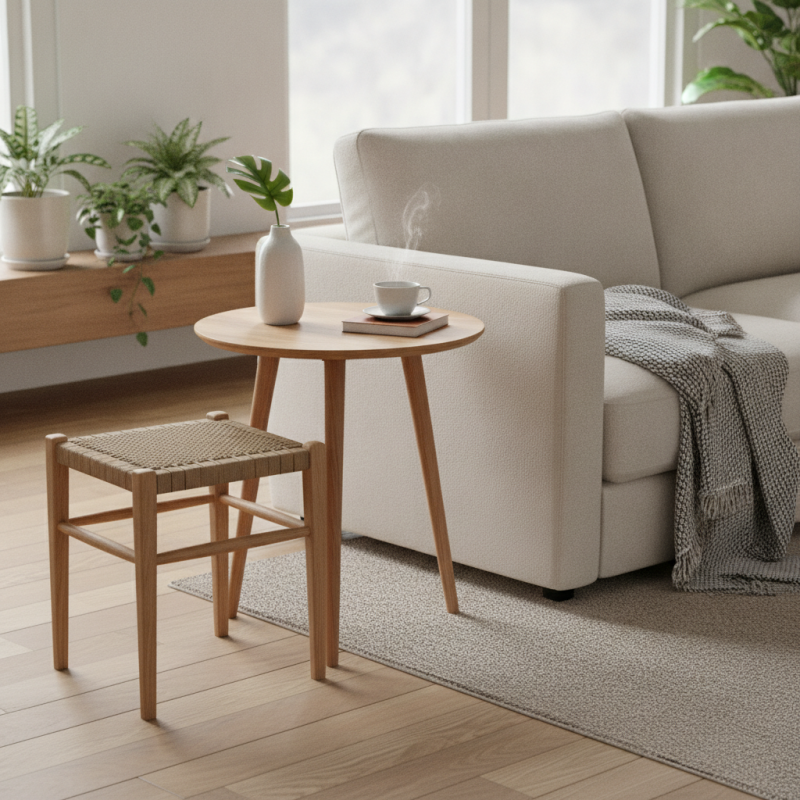
Rubber wood, sourced from rubber trees after their latex production cycle, boasts several unique properties that make it ideal for furniture making. One key aspect is its density. Reports suggest rubber wood has a density of about 0.6 to 0.75 g/cm³, providing durability without excessive weight. This makes it perfect for crafting side tables and stools, combining strength with ease of use.
Another notable characteristic is its resistance to pests and moisture, which stems from natural oils in the wood. This quality can extend the life of rubber wood furniture significantly. According to industry studies, well-maintained rubber wood furniture can last up to 20 years. However, improper care can lead to issues like warping or cracking, especially in humid environments. Buyers need to consider maintenance practices to ensure longevity.
Additionally, rubber wood is an eco-friendly material. The trees are usually harvested for their latex production and would otherwise be discarded. Reports indicate that utilizing rubber wood contributes to sustainable forestry practices. However, it's essential for consumers to verify sourcing standards to avoid the pitfalls of irresponsible harvesting, which can undermine its environmental benefits. So, while rubber wood offers promising qualities, mindfulness in selection and care is crucial.
Rubber wood, derived from the latex-producing rubber tree, is gaining popularity among eco-conscious consumers. Its sustainability stems from the fact that it often comes from trees that are at the end of their latex production life. Rather than being discarded, these trees are harvested for timber. According to the Food and Agriculture Organization (FAO), rubber wood contributes significantly to reforesting efforts and helps reduce carbon emissions.
The use of rubber wood is an eco-friendly choice. It is a fast-growing species, with the potential to be harvested within 25-30 years. A study by the Forest Products Laboratory indicates that rubber wood has comparable properties to traditional hardwoods, making it suitable for various furniture applications. It often features a pleasant grain, and its durability is noteworthy. However, while rubber wood is more sustainable than many alternatives, it does have limitations. Variability in quality can affect its longevity.
**Tips:** When buying rubber wood products, look for certification labels. This indicates adherence to sustainability standards. Ensure you are purchasing from reliable sources to avoid low-quality options. Take care of your furniture; regular maintenance can extend its life, keeping the wood’s beauty intact.
Rubber wood is gaining popularity in furniture. It is favored for its durability and eco-friendliness. In contrast, common materials like particle board and MDF have limitations. These materials often lack strength and can be less sustainable. Buyers appreciate rubber wood for its aesthetic appeal. Its natural grain adds warmth to any space.
In a comparative analysis, rubber wood stands out. It is resistant to warping and cracking. This makes it suitable for various climates. Other materials can struggle under humidity. Additionally, rubber wood is more affordable compared to hardwoods. However, its availability can vary. Some buyers may find it hard to source.
Using rubber wood contributes to sustainability. It is harvested from rubber trees that have finished their latex production. This process reduces waste. Still, there are challenges. Not all rubber wood is treated equally. Some may need extra care to maintain their luster. Transparency in sourcing is crucial for buyers.
| Property/Feature | Rubber Wood | Oak | Pine | MDF |
|---|---|---|---|---|
| Sustainability | High, renewable resource | Moderate, slower growth | Low, not as sustainable | Variable, depends on source |
| Durability | Moderate | High | Low to moderate | Moderate |
| Price Range | Affordable | Higher | Low | Variable |
| Maintenance | Easy | Moderate | Low | Easy |
| Aesthetic Appeal | Warm, natural look | Rich, classic | Light, rustic | Smooth, modern |
Rubber wood is becoming increasingly popular in home furnishings. One reason is its health benefits. Rubber wood contains a natural latex property. This helps reduce allergens in the air. People with sensitivities can benefit from using this material.
Using rubber wood products can improve indoor air quality. The wood does not emit harmful toxins. This is crucial for families with children or pets. The durability of rubber wood also means longevity. A well-maintained rubber wood table or stool can last for years. It withstands daily wear and tear, which is an advantage for busy households.
On the downside, some consumers might worry about maintenance. Rubber wood needs proper care to avoid damage. It can be prone to scratches if not treated well. Also, understanding the source of rubber wood is important. Sustainable practices are essential for environmentally conscious buyers. To truly enjoy its benefits, consideration of quality is vital.
Rubber wood side tables and stools have gained popularity due to their cost-effectiveness. The affordable price point makes them accessible to a broad range of buyers. This type of furniture offers an attractive blend of style and durability. Rubber wood is known for its hardness and resistance to wear. This means buyers often enjoy a long-lasting product without a hefty price tag.
Additionally, these pieces are relatively easy to maintain. A simple wipe-down with a damp cloth keeps them looking new. Many buyers appreciate the aesthetic appeal of rubber wood. Its natural grain patterns add charm to any living space. However, it's essential to note that rubber wood can sometimes require extra attention to avoid water damage.
Choosing rubber wood furniture can also support sustainable practices. This wood comes from rubber trees, which are harvested for latex production. Once the trees are no longer productive, they are often cut down for lumber. This means using rubber wood helps reduce waste in the environment. Buyers may find a sense of satisfaction in their eco-friendly choice, even if they face some challenges in maintaining the wood.
„Thanks to the LUVIR technology, the solder resist process could be switched directly from the previously used mask exposure to direct exposure. As an outstanding digital solution on the market, this technology has been able to demonstrate fast process times and superior quality on our certified conventional ink in production. This allowed us to fully digitize the solder mask process at low cost – without process or ink adjustments. An excellent benefit to our production in Rot am See.“
Ralf Göhringer (Head of Production WE Rot am See)
I would definitely recommend the Limata machine and team for a future company purchase
Michael Greenaway
Compunetics Inc.
“The Limata ldi has been amazing!! Best thing we did was buy this machine”
Richard Brady
GM
Circuitlabs
“Since 2019, we have been running the Limata X1000 LDI system (including LUVIR for solder mask imaging) in daily production as an addition to our current process with film. The machine was capable of properly exposing Taiyo PSR-4000 BN (DI) solder mask types on normal to high-copper boards using a new and unique direct imaging process. The machine operating interface is very user friendly which allowed for a quick technical training curve. The pre-registration processing reduced several seconds of production time at every print. Limata support and service staff is incomparable. They supported our team every step of the way at basically any time of the day or night, with literally, an immediate response time, customizing the software interface to best fit our Operations and needs.
We have exposed more than 8,000 prints since end of October, on various solder mask colors and some resist film panels. Limata, has proven to be very capable and innovative. They are a strong contender in the industry.
We have very much enjoyed this project, and working with the team!
Thank you Limata for the continued support and being a part of our growth.”
Bill Sezate
Vice President, GM
Summit Interconnect
As a replacement to our current contact exposure process with film, the LIMATA X2000 system including LUVIR-Technology was capable of properly exposing non-LDI solder mask types using a direct imaging process. The machine offers cutting edge software with a very intuitive operating interface which allowed for quick technician training curve. The dual drawer system combined with pre-registration processing reduced several seconds of production time at every machine cycle. Limata support and service staff is world class. They added software patches to keep production running at shortest possible response times, customized the software interface to best fit our in-house Operations system, and even wrote a step-by-step machine processing manual. As a result of the project, we have exposed more than 16,000 times on various product types and solder mask brands/colors. Limata, in a very short timeframe as a company, has definitely shown they are truly innovative and will be challenging the industry of direct imaging for the top spot.
Kevin Beattie
Process Engineer
TTM Technologies
Forest Grove Division
