Rv Water Treatment is essential for maintaining clean and safe water in recreational vehicles. Many outdoor enthusiasts rely on RVs for travel, camping, and exploring nature. However, contaminated water can lead to serious health issues. Understanding how Rv Water Treatment works is crucial for every RV owner.
This process involves various methods to purify water, ensuring it is safe for drinking and cooking. Filtration systems, UV sterilizers, and chemical treatments are commonly used. Each method has its advantages and disadvantages. Some RV owners may overlook the need for regular maintenance and inspection, potentially risking their health.
By prioritizing Rv Water Treatment, travelers can enjoy peace of mind. Clean water contributes to a more enjoyable experience while on the road. However, it's important to stay informed about effective treatment options and best practices. Mistakes can happen, but learning from them enhances our knowledge and experience.
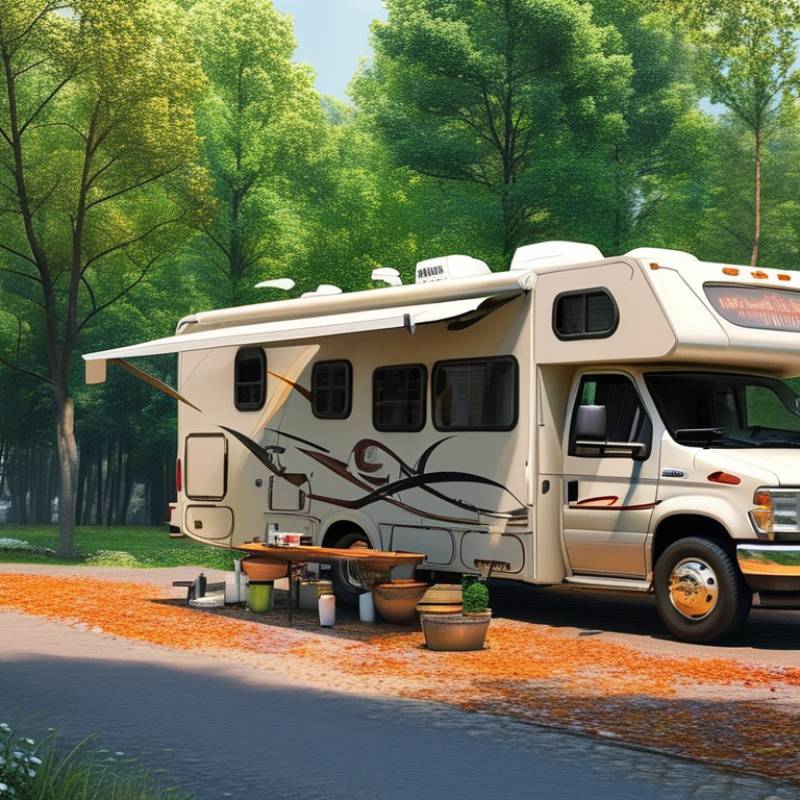
RV water treatment is essential for ensuring safe and clean water while traveling. This process involves filtering and purifying the water supply in recreational vehicles. Many RVs use a combination of techniques to eliminate contaminants. These may include activated carbon filters, UV sterilizers, and reverse osmosis systems.
An effective treatment system helps remove chlorine, bacteria, and other impurities from the water. It is vital to monitor the condition of filters regularly. Dirty filters can lead to unpleasant tastes or odors. Regular maintenance can prevent these issues and improve the overall water quality.
While RV water treatment is straightforward, it requires diligence. Travelers should understand their water source and local quality. Sometimes, tap water might not meet safety standards. Investing time in understanding one's treatment system is crucial for safe travels. There’s always a learning curve, but the benefits far outweigh the challenges.
| Process | Description | Benefits |
|---|---|---|
| Filtration | Removes particles, sediments, and impurities from water. | Improves water clarity and quality. |
| Reverse Osmosis | Uses a semipermeable membrane to remove a variety of contaminants. | Effectively removes dissolved solids and microorganisms. |
| Ultraviolet Light Treatment | Uses UV light to disinfect water by killing bacteria and viruses. | Chemical-free method of disinfection. |
| Activated Carbon Filtration | Absorbs unwanted chemicals and odors from water. | Improves taste and removes harmful substances. |
| Water Softeners | Removes hardness-causing minerals (calcium and magnesium). | Prevents scale buildup and improves soap efficiency. |
Clean water is essential for RV travelers. It impacts health, enjoyment, and overall experience on the road. When you're camping or traveling, access to clean water can directly affect your well-being. Hidden contaminants can lurk in water supplies. They can lead to serious illness.
Regular testing and treatment of your RV’s water system is crucial. This often gets overlooked until it's too late. Many travelers may not realize how quickly bacteria can multiply in stored water. Even seemingly clear water can harbor harmful pathogens. Maintaining a proper treatment regimen ensures safe drinking and cooking water.
Traveling with a reliable water treatment solution allows for peace of mind. It provides fresh water for meals, hygiene, and hydration. The importance of this cannot be overstated. Yet, many RV travelers continue to underestimate it. Addressing this issue with awareness and action is essential for a safe journey.
RV water systems face several common contaminants. These can compromise the water quality. Bacteria and viruses are primary concerns. They can enter from various sources during travel. A lack of maintenance may worsen these issues.
Chemical contaminants are another risk. These can stem from antifreeze or cleaning agents. Improper disposal can lead to dangerous levels. Mineral buildup, from hard water, can affect taste and appliance efficiency. It is essential to have regular checks for these substances.
Physical contaminants also pose a threat. Sand and dirt can enter the system. This often happens during refilling at unfiltered sources. It's a reminder to use clean water. Regular filtration and purification are crucial for safe drinking water. These steps can help ensure better health and safety.
When it comes to RV water treatment, multiple methods ensure safe and clean drinking water. Common techniques include activated carbon filters, UV purification, and reverse osmosis systems. Each method has unique advantages. These methods serve different purposes and address specific concerns. They help eliminate harmful bacteria, viruses, and other contaminants.
Activated carbon filters are popular due to their effectiveness in removing chlorine and odors. They work by adsorbing impurities as water passes through the filter. However, they need regular replacement to maintain efficiency.
UV purification uses high-intensity light to kill bacteria. This method requires electricity, which may limit its use in remote areas. While effective, it doesn't remove chemical contaminants.
Reverse osmosis systems provide thorough filtration. They can tackle various substances, including heavy metals. However, they can be slow and waste water during the process. This system requires maintenance and careful installation. Some users may find the initial investment high. Each method has pros and cons, making careful consideration essential when choosing the right RV water treatment solution.
Maintaining your RV water treatment system is crucial for safe and clean water. Regular inspections help identify any issues early. Look for leaks or wear and tear on hoses and connections. Replace filters according to the manufacturer’s guidelines. A clogged filter can diminish water quality.
Another important aspect is sanitization. You should clean the water tank every few months to prevent bacteria growth. Empty the tank and use a suitable disinfectant. Rinse thoroughly before refilling. This simple step can save you from health risks.
Be mindful of your water source, too. Using non-potable water can damage the system. Always ensure the water is safe for drinking. Periodic checks and proper storage of hoses will enhance system longevity. Don't overlook the importance of moisture control; damp tanks can lead to mold. Adjust your maintenance routine as needed.
This chart illustrates the efficiency of various RV water treatment system types based on their ability to remove contaminants from water sources.
„Thanks to the LUVIR technology, the solder resist process could be switched directly from the previously used mask exposure to direct exposure. As an outstanding digital solution on the market, this technology has been able to demonstrate fast process times and superior quality on our certified conventional ink in production. This allowed us to fully digitize the solder mask process at low cost – without process or ink adjustments. An excellent benefit to our production in Rot am See.“
Ralf Göhringer (Head of Production WE Rot am See)
I would definitely recommend the Limata machine and team for a future company purchase
Michael Greenaway
Compunetics Inc.
“The Limata ldi has been amazing!! Best thing we did was buy this machine”
Richard Brady
GM
Circuitlabs
“Since 2019, we have been running the Limata X1000 LDI system (including LUVIR for solder mask imaging) in daily production as an addition to our current process with film. The machine was capable of properly exposing Taiyo PSR-4000 BN (DI) solder mask types on normal to high-copper boards using a new and unique direct imaging process. The machine operating interface is very user friendly which allowed for a quick technical training curve. The pre-registration processing reduced several seconds of production time at every print. Limata support and service staff is incomparable. They supported our team every step of the way at basically any time of the day or night, with literally, an immediate response time, customizing the software interface to best fit our Operations and needs.
We have exposed more than 8,000 prints since end of October, on various solder mask colors and some resist film panels. Limata, has proven to be very capable and innovative. They are a strong contender in the industry.
We have very much enjoyed this project, and working with the team!
Thank you Limata for the continued support and being a part of our growth.”
Bill Sezate
Vice President, GM
Summit Interconnect
As a replacement to our current contact exposure process with film, the LIMATA X2000 system including LUVIR-Technology was capable of properly exposing non-LDI solder mask types using a direct imaging process. The machine offers cutting edge software with a very intuitive operating interface which allowed for quick technician training curve. The dual drawer system combined with pre-registration processing reduced several seconds of production time at every machine cycle. Limata support and service staff is world class. They added software patches to keep production running at shortest possible response times, customized the software interface to best fit our in-house Operations system, and even wrote a step-by-step machine processing manual. As a result of the project, we have exposed more than 16,000 times on various product types and solder mask brands/colors. Limata, in a very short timeframe as a company, has definitely shown they are truly innovative and will be challenging the industry of direct imaging for the top spot.
Kevin Beattie
Process Engineer
TTM Technologies
Forest Grove Division
