The emergence of the Smart Battery Charging System marks a significant shift in energy management. This technology enhances battery longevity and efficiency. By optimizing charging cycles, it prevents overcharging and overheating. Easy to implement, this system appeals to global buyers.
The benefits of the Smart Battery Charging System extend beyond mere convenience. Cost savings emerge as users experience longer battery life. Additionally, this system reduces waste and promotes sustainability. However, challenges exist. Not all chargers are compatible with this technology. This can lead to frustration and additional costs for buyers.
Investing in a Smart Battery Charging System can seem daunting. Buyers may wonder about the return on investment. With proper research and guidance, the advantages become clear. The shift towards smart solutions is not just a trend; it’s a necessity for a more efficient future.
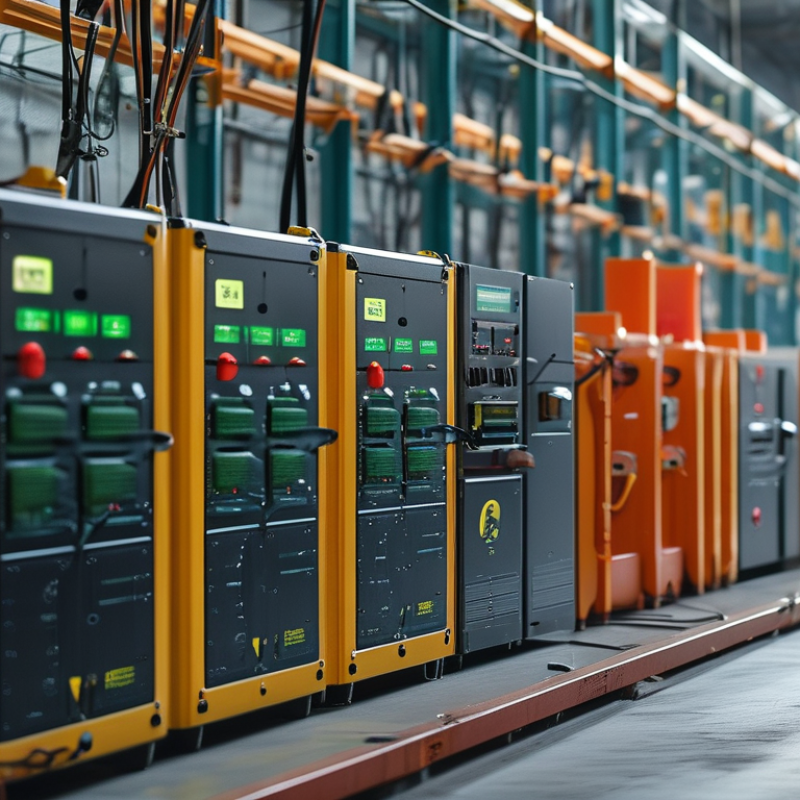
Smart battery charging systems offer numerous benefits for global consumers. One major advantage is their ability to extend battery life. By using sophisticated algorithms, these systems prevent overcharging. This prolongation is crucial for ensuring devices remain operational for longer periods, which is especially valuable for remote working or traveling individuals.
Cost savings are another significant benefit. Smart systems optimize charging times, often running during off-peak hours when electricity rates are lower. This can lead to noticeable reductions in electricity bills. In our increasingly digital world, every bit of financial efficiency counts.
Tips: Invest in a smart charger that fits your specific needs. Always look for user reviews to gauge reliability. Take the time to learn how to use all the features available. Small adjustments in settings can lead to better efficiency.
Smart battery chargers are not perfect. Users may encounter compatibility issues with certain devices. This can be frustrating and may require additional research. However, the potential benefits generally outweigh these inconveniences.
Smart battery charging technologies are transforming how consumers manage energy. A recent industry report highlights that advanced charging systems can reduce energy consumption by up to 30%. This efficiency not only lowers costs but also lessens environmental impact. The key features of these technologies center around smart monitoring and control, ensuring batteries are charged optimally.
Integration of real-time analytics allows users to track charging patterns. This data-driven approach enhances battery life by avoiding overcharging. One study found that batteries maintained with smart systems have a lifespan increased by 20%. Moreover, features like temperature regulation prevent potential hazards, ensuring safer usage.
Tip: Regularly monitor your charging habits. This can guide more efficient energy use.
Smart chargers often support multiple battery types. This adaptability provides versatility for different devices. However, some users may find the technology complex. The learning curve can be steep, emphasizing the need for user-friendly interfaces.
Tip: Consider seeking out tutorials or user reviews to navigate these systems effectively.
Investing in smart charging can yield significant savings in the long run. Numerous reports now link smart technology adoption to reduced energy bills. However, the upfront cost is still a consideration for many. Balancing immediate expenses against long-term benefits requires thoughtful evaluation.
Smart battery charging systems offer significant cost-effectiveness for global buyers. These systems optimize energy usage, reducing electricity bills. By maximizing charging efficiency, users can save on their operational costs. Many organizations are turning to smart solutions to streamline their processes and minimize waste. It leads to higher profitability and sustainability.
Tips: Regular maintenance of your charging infrastructure is crucial. A neglected system may lead to inefficiencies, undermining your cost savings.
Investing in smart battery technology can yield impressive returns. However, initial costs may seem high. It's essential to assess long-term savings against upfront expenses. An unexpected failure in any conventional system can result in hefty repairs. Smart systems can predict potential issues, reducing downtime significantly.
Tips: Consider transparent pricing models when evaluating options. Hidden costs can negate overall savings.
Smart battery charging solutions enhance not just financial margins but operational reliability too. As they evolve, staying informed about the latest advancements will be advantageous. Global buyers need to keep an eye on how these technologies will adapt to future energy challenges.
Smart battery charging systems provide numerous environmental benefits. These systems optimize the charging process, reducing energy waste. By using smart algorithms, they adapt to varying energy demands. This efficiency lowers carbon emissions significantly.
The integration of renewable energy sources is another advantage. Smart systems can interact with solar panels or wind turbines. This synergy helps decrease reliance on fossil fuels, promoting cleaner energy usage. Fewer fossil fuels mean less environmental degradation and a healthier planet.
However, challenges exist. The initial cost of smart charging technology can be high. Not all users may see the immediate benefits. Education and accessibility are essential. As more people understand these systems, adoption will likely increase. Overall, the long-term benefits can outweigh the initial hurdles.
In the realm of battery charging, the choice between traditional and smart methods can significantly impact efficiency and lifespan. Traditional charging often involves a fixed voltage and current approach, which lacks adaptability. This can lead to overcharging and overheating. The result? Shortened battery life and increased risks of damage. Users may notice their devices having reduced performance over time.
Smart battery charging systems stand out by employing advanced algorithms. These systems monitor battery health and adjust charging rates accordingly. For example, they can slow down the charge when nearing full capacity. This method not only enhances safety but also extends battery life. Users might find that their devices perform better and last longer between charges.
However, the transition to smart charging isn’t without challenges. Some users may find the initial setup complicated, and not all devices are compatible. There’s a learning curve involved in understanding the new technology. Yet, the potential for improved efficiency and extended battery life often outweighs these hurdles. Adopting smart charging methods could be a transformative step for many buyers globally.
„Thanks to the LUVIR technology, the solder resist process could be switched directly from the previously used mask exposure to direct exposure. As an outstanding digital solution on the market, this technology has been able to demonstrate fast process times and superior quality on our certified conventional ink in production. This allowed us to fully digitize the solder mask process at low cost – without process or ink adjustments. An excellent benefit to our production in Rot am See.“
Ralf Göhringer (Head of Production WE Rot am See)
I would definitely recommend the Limata machine and team for a future company purchase
Michael Greenaway
Compunetics Inc.
“The Limata ldi has been amazing!! Best thing we did was buy this machine”
Richard Brady
GM
Circuitlabs
“Since 2019, we have been running the Limata X1000 LDI system (including LUVIR for solder mask imaging) in daily production as an addition to our current process with film. The machine was capable of properly exposing Taiyo PSR-4000 BN (DI) solder mask types on normal to high-copper boards using a new and unique direct imaging process. The machine operating interface is very user friendly which allowed for a quick technical training curve. The pre-registration processing reduced several seconds of production time at every print. Limata support and service staff is incomparable. They supported our team every step of the way at basically any time of the day or night, with literally, an immediate response time, customizing the software interface to best fit our Operations and needs.
We have exposed more than 8,000 prints since end of October, on various solder mask colors and some resist film panels. Limata, has proven to be very capable and innovative. They are a strong contender in the industry.
We have very much enjoyed this project, and working with the team!
Thank you Limata for the continued support and being a part of our growth.”
Bill Sezate
Vice President, GM
Summit Interconnect
As a replacement to our current contact exposure process with film, the LIMATA X2000 system including LUVIR-Technology was capable of properly exposing non-LDI solder mask types using a direct imaging process. The machine offers cutting edge software with a very intuitive operating interface which allowed for quick technician training curve. The dual drawer system combined with pre-registration processing reduced several seconds of production time at every machine cycle. Limata support and service staff is world class. They added software patches to keep production running at shortest possible response times, customized the software interface to best fit our in-house Operations system, and even wrote a step-by-step machine processing manual. As a result of the project, we have exposed more than 16,000 times on various product types and solder mask brands/colors. Limata, in a very short timeframe as a company, has definitely shown they are truly innovative and will be challenging the industry of direct imaging for the top spot.
Kevin Beattie
Process Engineer
TTM Technologies
Forest Grove Division
