Access to potable water is essential for any business operation. According to the World Health Organization, around 2 billion people lack safe drinking water. Businesses, regardless of size, face the challenge of sourcing reliable water supplies. The quality of water affects not only compliance with health regulations but also operational efficiency.
Many industries rely heavily on potable water. For example, the food and beverage sector requires stringent water quality standards. A report by the International Bottled Water Association states that bottled water consumption reached 14 billion gallons in 2020 in the US alone. This data emphasizes the growing demand for clean water sources. Businesses must identify local sources, consider purification technologies, and ensure sustainability in their water sourcing strategies.
However, sourcing potable water isn’t without its challenges. Infrastructure limitations and climate change impact water availability. Moreover, mistakes in sourcing can lead to costly consequences. Companies need to develop robust strategies for accessing safe water. Focusing on the reliability and quality of water sources will enhance overall business performance and community trust.
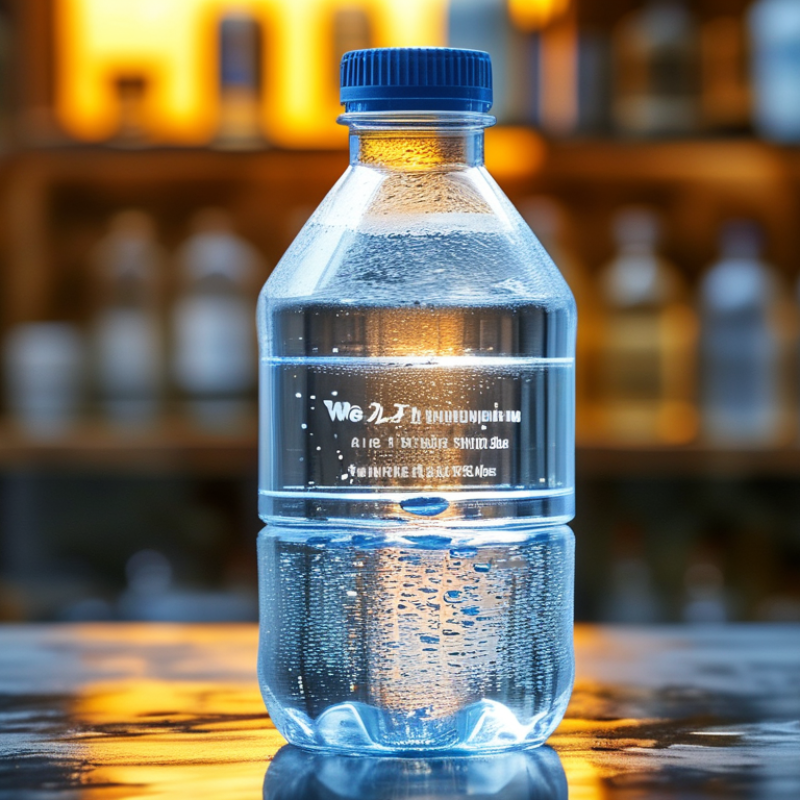
Understanding the importance of potable water for businesses cannot be overstated. Clean water is essential for daily operations, from food preparation in restaurants to maintaining equipment in manufacturing. According to the World Health Organization, roughly 2.2 billion people lack access to safe drinking water. This statistic highlights a significant risk for businesses that may rely on contaminated sources.
Ensuring a steady supply of potable water improves customer trust and safeguards employee health. In industries like hospitality, poor water quality can lead to health violations and reputational damage. A 2021 report by the Environmental Protection Agency emphasizes that sustainable water management is not just an environmental concern but also a business imperative.
Tips for sourcing potable water:
Ignoring water quality can become a costly oversight. Businesses must recognize that water safety directly impacts their bottom line. Quality issues may lead to operational disruptions, resulting in lost revenue and productivity. A proactive approach can prevent these pitfalls, making adequate preparation vital.
When sourcing potable water for business needs, understanding water quality standards is crucial. The U.S. Environmental Protection Agency (EPA) sets stringent regulations for safe drinking water. According to their guidelines, water must meet a maximum contaminant level for 90 specific pollutants. Businesses must regularly test their water sources to ensure compliance.
The World Health Organization (WHO) emphasizes that waterborne diseases can significantly impact public health. Inadequate water quality can lead to severe gaps in trust between customers and businesses. Establishing a robust testing regimen is vital. Ensure samples are collected from various points in your water distribution system to get a comprehensive view of water quality.
Tip: Implementing a routine testing schedule can help identify potential contamination risks early.
Stay informed about local regulations, as they can vary significantly. Knowledge of legal requirements can save your business from costly penalties. Collaborate with certified labs for accurate water analysis.
Tip: Build relationships with local water authorities. They can provide valuable insights about changes in water quality standards.
Sourcing potable water sustainably is critical for businesses today. The World Resources Institute reports that over 2 billion people face water scarcity. This reality highlights the urgency for companies to adopt responsible water sourcing methods.
Rainwater harvesting is gaining traction as a sustainable option. It captures rainfall for drinking and sanitation. Implementing this system can reduce dependency on municipal supplies. A study from the International Water Association states that this method can save up to 50% in water costs. However, maintenance and filtration must be managed effectively.
Another promising method is water recycling. This process can help businesses reuse wastewater for irrigation or industrial processes. The Water Environment Federation notes that recycling water can cut fresh water use by as much as 30%. Yet, careful monitoring is essential to ensure safety and efficiency. Companies should consider their unique needs and environmental impact when choosing a water sourcing strategy.
Assessing the economic impacts of water solutions on business operations is crucial for sustainable growth. Companies often underestimate water-related costs. A water supply issue can halt production, increasing operational expenses. Investing in reliable water sourcing can enhance efficiency. This choice may require upfront capital but can lead to long-term savings.
Different industries have varying water needs. Manufacturing may use large volumes, while restaurants require consistent quality. A thorough analysis should consider both direct and indirect costs. Hidden expenses might emerge, affecting profits. Focusing on a sustainable water strategy can minimize waste and lower bills. However, implementing these measures might require adjustments, which could disrupt existing processes temporarily.
Water sourcing impacts reputation too. Customers often prefer businesses that prioritize sustainability. Yet, the shift to sustainable practices might face resistance internally. Employees need training on new protocols. Regular assessments of water use can identify areas for improvement. Change may be uncomfortable, but adaptation can lead to significant benefits in the long run. Staying informed about water technologies will support better decision-making.
| Water Source Type | Initial Cost ($) | Monthly Maintenance Cost ($) | Annual Water Output (Gallons) | Estimated Savings (%) |
|---|---|---|---|---|
| Municipal Supply | 2,000 | 300 | 100,000 | 10% |
| Borehole | 5,000 | 150 | 150,000 | 25% |
| Rainwater Harvesting | 3,500 | 100 | 80,000 | 15% |
| Desalination Plant | 1,000,000 | 2,000 | 1,000,000 | 40% |
Water conservation is essential for businesses aiming to become more sustainable. Effective strategies can not only reduce costs but also enhance corporate responsibility. Start by assessing current water usage. Identify areas where consumption is high. This awareness helps target potential savings effectively.
Implementing simple changes in daily operations can yield substantial results. Encourage employees to report leaks or inefficiencies. Install low-flow fixtures in restrooms and kitchens. Use rainwater harvesting systems to supplement water needs. Regular training in water-saving practices fosters a culture of conservation among staff.
Measuring the impact of these efforts is crucial. Track water usage before and after implementing strategies. Adjust practices based on this data. Reflect on successes and areas needing improvement. Creating a sustainable approach to water sourcing fosters long-term benefits. It strengthens both the business's bottom line and its commitment to the environment.
„Thanks to the LUVIR technology, the solder resist process could be switched directly from the previously used mask exposure to direct exposure. As an outstanding digital solution on the market, this technology has been able to demonstrate fast process times and superior quality on our certified conventional ink in production. This allowed us to fully digitize the solder mask process at low cost – without process or ink adjustments. An excellent benefit to our production in Rot am See.“
Ralf Göhringer (Head of Production WE Rot am See)
I would definitely recommend the Limata machine and team for a future company purchase
Michael Greenaway
Compunetics Inc.
“The Limata ldi has been amazing!! Best thing we did was buy this machine”
Richard Brady
GM
Circuitlabs
“Since 2019, we have been running the Limata X1000 LDI system (including LUVIR for solder mask imaging) in daily production as an addition to our current process with film. The machine was capable of properly exposing Taiyo PSR-4000 BN (DI) solder mask types on normal to high-copper boards using a new and unique direct imaging process. The machine operating interface is very user friendly which allowed for a quick technical training curve. The pre-registration processing reduced several seconds of production time at every print. Limata support and service staff is incomparable. They supported our team every step of the way at basically any time of the day or night, with literally, an immediate response time, customizing the software interface to best fit our Operations and needs.
We have exposed more than 8,000 prints since end of October, on various solder mask colors and some resist film panels. Limata, has proven to be very capable and innovative. They are a strong contender in the industry.
We have very much enjoyed this project, and working with the team!
Thank you Limata for the continued support and being a part of our growth.”
Bill Sezate
Vice President, GM
Summit Interconnect
As a replacement to our current contact exposure process with film, the LIMATA X2000 system including LUVIR-Technology was capable of properly exposing non-LDI solder mask types using a direct imaging process. The machine offers cutting edge software with a very intuitive operating interface which allowed for quick technician training curve. The dual drawer system combined with pre-registration processing reduced several seconds of production time at every machine cycle. Limata support and service staff is world class. They added software patches to keep production running at shortest possible response times, customized the software interface to best fit our in-house Operations system, and even wrote a step-by-step machine processing manual. As a result of the project, we have exposed more than 16,000 times on various product types and solder mask brands/colors. Limata, in a very short timeframe as a company, has definitely shown they are truly innovative and will be challenging the industry of direct imaging for the top spot.
Kevin Beattie
Process Engineer
TTM Technologies
Forest Grove Division
